When the United States ended Temporary Protected Status (TPS) for more than 57,000 Hondurans in July 2025 (effective September 8), the U.S. government framed it as a routine administrative update. But in humanitarian terms, it was something else entirely: the deliberate withdrawal of a critical protection mechanism in the middle of an ongoing emergency. The U.S. Committee for Refugees and Immigrants warned that the decision “withdraws stability, security, and dignity” from families who have depended on TPS for over two decades.
TPS is often discussed as an immigration category, but it functions more accurately as an emergency humanitarian protection tool deployed when a state cannot safeguard the lives of its own citizens. The TPS termination for Honduras nationals therefore does not simply change legal status; it actively produces a new humanitarian crisis. The move comes as Honduras faces extreme violence, institutional fragility, climate-driven displacement, and femicides. Sending tens of thousands back now is dangerous and morally indefensible.
A protection mechanism withdrawn at the worst possible moment
TPS provides temporary legal status and work authorization to people whose home countries face extraordinary and unsafe conditions. The humanitarian purpose is straightforward: people cannot be returned to danger. Yet the United States now argues that “conditions have improved.” Evidence shows the opposite. Honduras continues to be one of the most violent countries in the hemisphere, combining:
widespread gang control and territorial governance
an overburdened and under-resourced justice system
climate-driven food insecurity
and staggering levels of violence against women and girls
According to the UN Sustainable Development Group, Honduras has long faced another “pandemic” of gender-based violence, registering femicide rates of 6.2 per 100,000 women. Terminating TPS while these conditions persist is a humanitarian miscalculation that potentially places civilians directly in harm’s way.
A humanitarian crisis manufactured by policy
Humanitarian frameworks define crisis as a situation in which civilians cannot survive without external protection. Honduras clearly meets this definition: 1.6 million people require humanitarian aid, the state cannot guarantee basic safety, and threats such as gang violence and femicide operate with near-total impunity. Under international norms, especially the principle ofnon-refoulement, governments must not return people to countries where their lives or freedom are threatened.
The U.S. Committee for Refugees and Immigrants warns that ending TPS will “force people deeper into uncertainty and fear,” including individuals who originally fled death threats, extortion, or gender-based violence. In response to the decision, Honduran TPS holders and national advocacy groups have pushed back. The National TPS Alliance, along with the ACLU and other immigrant-rights organizations, filed a federal complaint challenging the termination of TPS for Honduras. The lawsuit argues that the decision was “arbitrary and capricious,” ignored unmistakable evidence of ongoing danger, and violated the government’s humanitarian obligations. This legal action shows that the crisis caused by ending TPS is so severe that civil society had to mobilize in court simply to protect Hondurans from being returned to life-threatening conditions.
Femicide: The central context of forced return
Femicide is not peripheral to TPS; it is one of the main reasons Hondurans fled. In 2023, Honduras reached a femicide rate of 7.2 per 100,000 women, one of the highest in Latin America. Organizations like Cattrachas document how gender-based killings intersect with policing failures, institutional corruption, and gang control.
Many Honduran women losing TPS originally fled because they were being hunted by abusive partners, traffickers, or armed criminal groups. Ending TPS is therefore not simply deportation. It will force women to return to an environment where they are deliberately targeted and where the state fails to protect them. As the Women’s Refugee Commission notes, gender-based violence is a leading driver of forced migration. Repatriation under these conditions directly increases the risk of femicide.
Community resilience: Art as resistance
Even as institutions fail, communities in Honduras have built their own forms of protection. One of the most powerful is art-activism (“artivism”). Public art challenges the normalization of violence and preserves memory in ways formal systems often fail to do. The UN Spotlight Initiative has supported art-based gender-violence prevention in 17 Honduran municipalities, using murals, sculptures, and theater to create community dialogue and challenge harmful norms.
The feminist graffiti duo Dolls Clan (Mayki Graff Ortega and Suam Fonseca) creates public murals honoring victims of femicide and amplifying feminist resistance. Their work turns public walls into spaces of collective mourning and political demand. Public art is a form of humanitarian response: it educates, resists, and keeps victims’ stories alive when formal justice systems fail. But art cannot replace systemic protection.
The immediate human cost of ending TPS
Ending TPS triggers four immediate humanitarian harms:
Family separation: Thousands of U.S.-born children have Honduran parents with TPS. Families now face the devastating choice between separation or relocating to a country many children have never known.
A rise in irregular migration: History shows that ending legal pathways does not reduce migration; it increases undocumented migration as people seek safety through more dangerous routes.
Exposure to direct violence: Returnees become immediate targets of gangs, extortion networks, police corruption, and gender-based violence. TPS termination does not fix migration. It makes it deadlier.
A crisis created by political choice
Ending TPS for Honduras is not a neutral administrative action, it is a political decision with profound humanitarian consequences. It forces thousands back into a country facing intersecting emergencies: femicide, gang rule, climate disaster, and institutional collapse. While communities fight to maintain dignity and memory, the U.S. is withdrawing one of the only forms of international protection Hondurans have left. It abandons a protection promise the United States upheld for more than two decades. If the United States seeks to honor its humanitarian commitments, it must extend TPS or redesign it as a pathway to long-term stability, not dismantle it. Protection should never depend on political cycles. Lives depend on it.
Josse Martinez is a Global Governance, Politics, and Security (GGPS) graduate student at American University. He is of Honduran and Guatemalan descent.
Danjha Leon Martinez is a Research Assistant for the Immigration Lab at the Center for Latin American & Latino Studies. She is a Development Management graduate student at American University with a focus on humanitarian aid and global migration
By Juan A. Bogliaccini, Professor of Political Science, Universidad Católica del Uruguay
This small South American country is seeking new markets and investment while remaining anchored to MERCOSUR and balancing ties with the United States and China.
For more than three decades, Uruguay’s strategy for international economic integration has revolved around the Southern Common Market, MERCOSUR. Founded in 1991 by Argentina, Brazil, Paraguay, and Uruguay, the bloc emerged at the end of the Cold War with the goal of deepening regional economic integration and strengthening trade among its members. For Uruguay, a small country of just over three million people located between two regional giants, the bloc initially proved highly beneficial. During the 1990s, MERCOSUR became the main engine of Uruguayan exports and foreign investment.
That dynamic began to shift at the end of the decade. Brazil’s currency devaluation in 1998 and Argentina’s financial collapse in 2001 exposed the vulnerabilities of Uruguay’s economic dependence on its neighbors. At the time, a majority of the country’s exports was destined for these two markets, and the crises had profound effects on Uruguay’s economy.
These events triggered a long-running debate within the country’s political and economic elites about the future of Uruguay’s international trade strategy. At the center of the discussion was one of MERCOSUR’s key institutional rules: member states cannot negotiate individual free trade agreements outside the bloc. Critics argued that this constraint limited Uruguay’s ability to diversify its economic partnerships in an increasingly globalized world.
For many years, much of the political center-right advocated a strategy similar to that pursued by Chile—signing bilateral free trade agreements across multiple regions of the world. The center-left generally defended remaining firmly within the regional framework, emphasizing the importance of political and economic integration with neighboring countries.
Over time, however, both sides gradually converged toward a more pragmatic position. Today there is broad consensus that Uruguay should remain in MERCOSUR while pushing for greater flexibility within the bloc allowing for members to pursue complementary trade agreements. In practice, leaving MERCOSUR has never been a realistic option. Brazil and Argentina remain crucial trading partners, particularly for exports linked to regional value chains and cross-border production networks.
At the same time, the bloc itself has increasingly sought to expand outward. In recent years, MERCOSUR has concluded trade agreements with Singapore and the European Free Trade Association (EFTA), which includes Iceland, Liechtenstein, Norway, and Switzerland. In 2026, after more than twenty-five years of negotiations, MERCOSUR also finalized a landmark trade agreement with the European Union. Across successive governments representing different political parties, Uruguay has consistently supported these negotiations as part of a long-term strategy of gradual trade opening.
Meanwhile, Uruguay’s broader trade relationships have evolved significantly. Over the past two decades, China has become the country’s principal destination for goods exports, particularly agricultural commodities such as soybeans and forestry products like cellulose pulp. At the same time, the United States has become the main market for Uruguay’s rapidly growing service sector, especially software development and business services.
These trends have positioned Uruguay within a complex global landscape shaped by growing geopolitical competition between the world’s two largest economies. Rather than aligning strongly with either side, successive Uruguayan governments have sought to maintain a careful balance between Washington and Beijing while preserving strong ties with their regional partners.
Recent administrations have also attempted to broaden the country’s commercial horizons. During the presidency of Luis Lacalle Pou (2020–2025), Uruguay applied to join the Comprehensive and Progressive Agreement for Trans-Pacific Partnership (CPTPP), one of the world’s most significant multilateral trade agreements. Although accession negotiations are only beginning, the move signaled Uruguay’s intention to deepen economic ties with Asia-Pacific markets.
The Lacalle Pou government also explored the possibility of negotiating a bilateral free trade agreement with China. While the initiative ultimately did not move forward—largely because Beijing made clear it preferred negotiations with MERCOSUR as a whole—the effort served an important political purpose. Alongside the negotiations with the CPTPP, it signaled to Uruguay’s regional partners that the country was determined to pursue broader trade opportunities.
The current administration of President Yamandú Orsi has continued this strategy of balanced engagement. Diplomatic outreach to both the United States and China reflects Uruguay’s pragmatic approach in an increasingly multipolar global economy. Promoting exports has become particularly important as the strength of the Uruguayan peso makes international competitiveness more challenging for domestic producers.
Despite these global ambitions, Uruguay’s integration into international value chains remains heavily regional. Much of the country’s participation in global trade occurs through “import-to-export” production models, particularly in agro-industrial sectors that rely on imported inputs and regional processing networks. A large share of these exports continues to be destined for MERCOSUR markets, reflecting the enduring importance of regional economic integration.
This structural reality explains why Uruguay’s leaders have consistently pursued a dual strategy: maintaining strong economic ties with Argentina and Brazil while simultaneously seeking new markets and investment partners around the world.
The recently concluded trade agreement between MERCOSUR and the European Union may represent an important step in that direction. Together with the agreements with Singapore and EFTA—and the expected accession of Bolivia to MERCOSUR—the deal could gradually expand the economic horizons of a country that remains heavily dependent on a limited number of export sectors.
For Uruguay, the stakes are significant. Since the end of the global commodity boom in the early 2010s, economic growth has slowed. As a result, it has become more difficult to reduce a fiscal deficit that hovers around 4 percent of GDP while public debt continues to rise gradually. Expanding exports and attracting foreign investment have therefore become central priorities for policymakers.
Yet Uruguay’s small domestic market inevitably limits its appeal to international investors. The country’s greatest economic asset lies instead in its potential role as a stable regional hub within the much larger South American market. With strong institutions, political stability, and relatively high levels of human capital, Uruguay often presents itself as a reliable gateway for companies seeking access to the region.
Realizing that potential, however, will require more than trade agreements alone. Expanding Uruguay’s global economic presence will depend on developing new productive sectors, increasing productivity in existing industries, and moving gradually toward exports with higher value added.
For a small country navigating between two regional giants and competing global powers, this is no simple task. But Uruguay’s strategy remains clear: maintain its regional anchor while steadily expanding its reach into the global economy.
By Ilka Treminio-Sánchez, Political Scientist of the University of Costa Rica.
The national elections held in Costa Rica on February 1, 2026, marked a turning point in the country’s recent political trajectory. Contrary to expectations of a runoff—common in a highly fragmented party system—the ruling party candidate, Laura Fernández, won in the first round with 48.3 percent of votes counted. This result not only ensured the continuity of the political project championed by President Rodrigo Chaves but also consolidated a deeper transformation of the Costa Rican political system.
The election saw a 69 percent voter turnout, the highest since 2010. This increase can be interpreted as a sign of civic revitalization, but also as a consequence of growing polarization. During the campaign, two distinct blocs emerged: on one side, the ruling party, organized around Chaves’s personalistic leadership; on the other, a fragmented opposition that, despite its ideological differences, shared concerns about the country’s institutional direction, and which ultimately consolidated most of its votes around the National Liberation Party. In the run up to the election, supporters of traditional and emerging parties came together. Concerned about the country’s democracy, they spontaneously organized various forms of collective action outside event venues. These activities culminated in the so-called “multicolored caravans,” named for the diversity of party flags displayed under the unifying slogan: “Out with Chaves!” But, despite such mobilizations, and in line with poll results, the opposition did not advance to a runoff.
From an organizational standpoint, the process was impeccable. The Supreme Electoral Tribunal once again demonstrated high standards of transparency and efficiency, reaffirming the technical soundness of the Costa Rican electoral system. However, this procedural strength contrasts sharply with the political tensions that accumulated during Chaves’s presidency, characterized by a confrontational discourse toward oversight bodies and the judiciary.
The Ruling Party and the Construction of Continuity
Fernández’s victory cannot be understood without considering the central role of the outgoing president. Although constitutionally barred from immediate reelection, Chaves devised a succession strategy based on personal loyalty and the symbolic transfer of his leadership. The official campaign revolved around the slogan “continuity of change,” presenting Fernández as the custodian of the president’s political mandate and as its guarantor of continued power.
The electoral vehicle was the Sovereign People’s Party (PPSO), created after Chaves fell out with the leadership of the Social Democratic Progress Party, with which he rose to power in 2022. The reorganization allowed it to concentrate the vote and achieve not only the presidency, but also 31 of the 57 legislative seats, an absolute majority unprecedented in recent decades.
This result substantially alters the conditions for governance. While previous administrations had to govern with small and fragmented factions, the new government will have a robust parliamentary group, although of late some friction has emerged among its leaders. Nevertheless, only the National Liberation Party – historically the most dominant political force in Costa Rica – had achieved a similar number of representatives in 1982, during an exceptional economic crisis.
This legislative majority opens the door to the possibility of far-reaching political reforms. During his presidency, Chaves repeatedly expressed interest in expanding the executive branch’s powers, limiting oversight bodies’ authority, and promoting a transformation of the state that his supporters call the “Third Republic,” a successive step in the destruction of the Second Republic inherited after the 1948 Civil War, whose foundations were laid by the liberationist José Figueres Ferrer. Without a supermajority, such reforms were not feasible. Today, the balance of power looks different.
During the transition period, two unprecedented decisions were announced. First, the president-elect expressed her intention to appoint Rodrigo Chaves as Minister of the Presidency, the sole responsible for coordinating actions between the executive and legislative branches. Second, the outgoing president appointed Laura Fernández as Minister of the Presidency for the remaining months of the administration. Chaves also stated that, in his future role, he would seek to bring on board members of the National Liberation Party to form the supermajority necessary to approve constitutional reforms.
Populism, Leadership, and Institutional Tensions
Rodrigo Chaves’s governing style represented a break with traditional Costa Rican political patterns. His confrontational rhetoric, directed against media outlets, public universities, judges, and opposition members of parliament, reinforced an anti-establishment narrative that resonated with sectors disillusioned with the status quo. His rhetoric fits into the political model followed by other populist presidents on the continent.
Surveys conducted by the Center for Political Research and Studies (CIEP) at the University of Costa Rica showed that his supporters primarily valued his ability to “impose order” and “produce results.” These attributes reflect a social demand for strong leadership and swift decisions, even if such an approach creates tension with the deliberative procedures inherent in liberal democracy.
In this sense, the Costa Rican case fits into a broader regional trend. The political and inspirational affinity with Salvadorian President Nayib Bukele’s influence was evident throughout the campaign, particularly regarding public safety and proposals to toughen the prison system. Likewise, the first congratulatory messages to Fernández came from far-right figures such as Chilean president-elect Antonio Kast, and Mexican media figure Eduardo Verástegui, suggesting the integration of Costa Rica’s new leadership into transnational conservative-right networks. This realignment does not necessarily imply a break with traditional partners, but it does signal an ideological shift that redefines the country’s international standing.
Security, Social Cohesion, and a Democratic Future
The new government’s main challenge will be public security. The sustained increase in homicides and expansion of organized crime have eroded Costa Rica’s reputation as a peaceful exception in Central America. Policies implemented so far have been lax and ineffective, to the point that candidates labeled them permissive during the campaign debates.
Added to this are structural problems: the deterioration of the education system, the strain on the healthcare system, and the weakening of environmental policies that historically formed part of a national consensus. These issues not only affect social well-being but also undermine the legitimacy of a democratic system seemingly unable to improve the situation.
The 2026 elections do not simply represent a change or continuity of political parties. They reflect a reconfiguration of the political system around a personalistic leadership that combines right-wing populism, social conservatism, an evangelical agenda, and challenges to institutional checks and balances. The electoral strength of the ruling party is undeniable; so too is the broad-based support it received.
The underlying concern is undoubtedly that the new continuity government could further the trajectory of democratic erosion. When anti-institutional rhetoric is legitimized by those in power and the political concentration of that power is presented as a condition for effective governance, the risk is not an abrupt collapse but rather an incremental erosion.
For a society with a long tradition of stability and the rule of law, the central challenge will be to rebuild a minimal consensus around respect for horizontal checks and balances and pluralistic deliberation. The continuity of Chaves’s political project opens a new cycle. Its outcome will depend not only on the Executive and its legislative majority, but also on the capacity of the citizenry and institutions to maintain the balances that have historically defined Costa Rican democracy.
By Felipe Rezende, Research Fellow and Visiting Scholar in Residence at American University’s Center for Latin American and Latino Studies (AU-CLALS), from the University of Brasília (UnB), Brazil.
In the current context of jingoistic nationalisms and divisive political projects, particularly in the United States, where the current Trump administration has intensified a political agenda anchored in anti-immigration discourse and practices, reflecting upon the challenges and opportunities for re-imagining what people across the America’s might have in common, in terms of identity, culture and shared belong, is at present particularly important. Contemporary cultural developments such as Bad Bunny’s performance at the Super Bowl LX and Brazil’s global awarded film industry illustrate how notions of “American” belonging can also be culturally and politically contentious.
Hemispheric Myths of National Assimilation
At first glance, imagining a unitary cultural identity across the Americas appears challenging. Although Latin American nation-states might share similar colonial and post-colonial histories, their different national and subnational cultural commitments have also been forged in dynamic relation with cultural assets from elsewhere influencing what is now recognized as latino culture. Similarly, the idea of a North American identity does not emerge as an empirically verifiable cultural synthesis, but rather as the contingent result of ongoing symbolic disputes marked by racial hierarchies, power asymmetries, and competing projects of belonging.
Mid-twentieth century notions such as the meltingpot in the United and the myth of the so-called cosmic race or mestizaje in Latin America, offer different but comparable assimilationist narratives for the nation, narratives which obscure persistent structural conflicts within post-colonial American societies. Such accounts function largely as ideological constructs aimed at producing one or another sort of unified national identity. In this sense, contemporary debates about pluri- or multiculturalism in the Americas carry an inherent ambiguity: cultural diversity is recognized rhetorically but also regulated through mechanisms that posit and reproduce racial and other social asymmetries.
This multicultural dilemma in the Americas, therefore, derives from the tension between the political recognition of plural identities, on the one hand, and the impulse to preserve national identity as previously imagined, on the other. In this context, artistic and cultural production and its diffusion emerge as privileged arenas of symbolic mediation, contestation of meaning, and negotiation of belonging, which often seek to transcend closed assumptions of national identity. We might understand the hemispheric and global diffusion of national artistic production from Latin American countries as more than just cultural industry content, and as helping to circulate diverse cultural perspectives.
Latin American Pop Culture is Having a Moment
Recently, numerous products of Latin American popular culture have achieved global recognition, potentially serving as pillars for re-imagining a broader and more cohesive sense of identity across the Americas, and in ways increasingly independent from taken-for-granted nationalist mythologies across the continent. Especially in times of growing international fragmentation, authoritarian threats to democratic systems, and dysfunctional global regimes that fail to produce international cooperation the cases below illustrate new opportunities for re-imagining identity, culture, and belonging in the Americas.
In recent years musical artists like the Colombian Karol G and Puerto Rican Bad Bunny have come to exemplify the consolidation of Latin urban pop as a transnational cultural phenomenon, with a strong presence in the global music industry and recurring visibility through numerous nominations and awards in the GRAMMY and Latin GRAMMY circuits. Bad Bunnywon the 68th GRAMMY Awardsin the following categories: Best Música Urbana Album and Best Album Cover, for DeBÍ TiRAR MáS FotoS, and Best Global Music Performance for EoO. Also, his 2026 Super Bowl LX halftime performance made history as the first solo Latino artist to headline the show, bringing renewed attention to discussions about what it means to be “American.”
Also in music, Liniker, a Black Brazilian trans woman songwriter, won three categories at the 26th Latin GRAMMY Awards: Best Portuguese-Language Contemporary Pop Album, and Portuguese-Language Urban Performance for Caju, as well as Best Portuguese-Language Song for Veludo Marrom. In addition, the album Milton + esperanza (2024), a collaboration between the acclaimed North American jazz artist Esperanza Spalding and the Brazilian master Milton Nascimento, was nominated for the 67th GRAMMY Award in the category Best Jazz Vocal Album.
In cinema, Brazilian audiovisual productions have undeniably entered the global mainstream, particularly through films addressing the memory of political tragedies such as that country’s military dictatorship. “I’m Still Here” (2024) won the 2025 Academy Award for Best International Feature Film, the 2025 Golden Globe for Best Actress in a Motion Picture – Drama (Fernanda Torres), and more than 70 additional international awards. “The Secret Agent”(2025) won Best Director (Kleber Mendonça Filho) and Best Actor (Wagner Moura) at the 2025 Cannes Film Festival, and later won the 2026 Golden Globe for Best Non-English Language Film and Best Actor in a Motion Picture – Drama (Wagner Moura). The film is also nominated for the 2026 Academy Awards in the categories Best Picture, Best Actor, Best International Feature Film, and Achievement in Casting.
In literature, the growing presence of Latin American authors within global circuits of recognition can also be observed through the wider international circulation of their books, increasing number of translations, and their selection for prestigious literary prizes. For example, the Brazilian novelist Itamar Vieira Junior, author of Torto Arado (2019), saw the 2023 English translation shortlisted for the 2024 International Booker Prize.
Each Latin American cultural producer mentioned here successfully transformed historically localized experiences – often addressing political violence, state terrorism, racism, and patriarchy, among other challenging topics – into aesthetically communicable narratives accessible at a transnational scale. But it is important to note that these recent successes in music, film and literature cannot be explained solely by the artistic genius of their creators. Beyond their evident creative excellence, also important has been the existence of public policies supporting the production and diffusion of national cultural assets, which have also contributed to the international success of Latin American popular culture.
Take the case of Brazil, which put in place a set of public policies that directly incentivize and support contributions to the country’s cultural economy. These include the so-called Rouanet Law, providing tax incentives to support the completion and circulation cultural projects. In the audiovisual field specifically, the Audiovisual Sector Fund (FSA) ensures public resources for film production and distribution. They also include the National Aldir Blanc Policy (PNAB), which established a continuous and decentralized state-funding model strengthening cultural infrastructure and expanding access to cultural rights at the local level. The international reach of works such as “I’m Still Here” (2024) and “The Secret Agent” (2025) should also be understood as the result of a public infrastructure that sustains the competitiveness and global insertion of Brazilian audiovisual products.
What Hemispheric Cultural Diplomacy Has to Offer
Whether through voluntary cultural cooperation, institutional support from domestic cultural public policies, or efforts of public and cultural diplomacy, the growing presence of Latin American artistic production in the hemisphere is neither accidental nor merely the result of its exoticization by Global North audiences. Despite long-standing legacies of stereotyping and archetypal representations of Latin American peoples and cultures, contemporary Latin American cultural products, which circulate throughout the hemisphere and beyond, help us to reconfigure the hemisphere’s identity in new and pluricultural ways.
Even amid the challenges posed by a context of fragmentation, competition, and new threats of geopolitical violence, the aesthetic innovations and moral premises foregrounded by contemporary Latin American artists, and informed by expressions of human rights, peaceful coexistence, and American belonging, present rich opportunities for new imaginaries of hemispheric identity and culture. In this sense, imagining what people across the Americas might have in common can cease to be just an idealistic abstraction and become one critical horizon for revitalizing mutual respect and democratic coexistence in the hemisphere.
On January 24, 2006, Estuardo Remache was criminally charged with domestic violence and removed from his position as head of Ecuador’s Human Rights Commission. The case was brought forward by his wife, Maria Lucrecia Nono, who had spent years seeking justice for the repeated abuse she endured. On numerous occasions Maria’s attempts to report the violence were dismissed, her credibility questioned, and her intentions painted as vindictive.
When Maria first turned to local authorities and Comisarías, state-run women’s centers meant to support survivors of gender-based violence (GBV), she was told her case was a personal matter to be resolved at home. Officials cited Article 191 of the Ecuadorian Constitution, which separates the federal and Indigenous legal systems, and told her she must seek justice within her own Kichwa community.
Gender-based violence, which includes emotional, physical, and sexual harm rooted in gender inequality, is a widespread and deeply structural form of oppression. Maria’s abuse didn’t stop at home; it was reinforced by the very institutions intended to protect her. Each time she sought help, she was met with indifference, disbelief, or outright rejection, despite returning with visible bruises and ongoing emotional trauma. Her story points to a more systemic issue: the absence of female political power in Ecuador to challenge and transform these injustices.
Maria’s ordeal highlights a troubling paradox: the greater presence of women – particularly Indigenous Kichwa women – in Ecuador’s political sphere, alongside the continued high rates of GBV in their communities. Why, despite growing political representation for women, does gender-based violence remain so entrenched, especially among Indigenous communities?
Legal and Structural Context
Ecuador’s 2008 Constitution marked a turning point, officially recognizing the country as plurinational and intercultural, thus legitimizing Indigenous governance structures alongside the national legal system. Yet this dual system has limitations. While intended to acknowledge indigenous sovereignty, in practice it often creates conditions of legal marginality, particularly for Indigenous women. In Maria’s case, the national judiciary abdicated responsibility, claiming the Kichwa system to be the appropriate jurisdiction, while Kichwa authorities sought to silence her to avoid casting their communities in a negative light.
This tension reflects a broader legal failure: the promotion of state-sponsored multiculturalism but the failure to protect vulnerable populations within specific communities. The burden of representation falls heavily on Indigenous women like Mirian Masaquiza Jerez, a Kichwa woman staffing the UN Permanent Forum on Indigenous Issues. In an interview, she explained that any missteps are seen not as individual failings, but as reflections on her entire community. Despite these pressures, her greater visibility, along with that of many others, marks a notable shift in the gendered landscape of Ecuadorian politics
Gender-Based Violence in Context
Ecuador has made substantial progress toward increasing women’s political representation, thanks in part to gender quotas implemented since the early 2000s. These measures mandate a minimum number of female candidates in national and local elections, enabling more women to ascend to political leadership. Despite recent infighting and a diminished presence in the national legislature, Ecuador’s Indigenous-led Pachakutik party has played a pivotal role in this shift over the past three decades, advocating for environmental justice and Indigenous rights, including those of women.
Yet political representation does not always translate to structural change. The existence of women in positions of power can obscure the continued suffering of those on the margins. Indigenous women in rural areas still live under deeply patriarchal norms, face high rates of GBV, and often lack access to justice, health care, or safe housing. Nearly 6 in 10 women in Ecuador report having experienced GBV. The rate rises to 68 percent among Indigenous women, 10 percentage points higher than among their non-indigenous counterparts. These figures expose the intersectional nature of GBV: it disproportionately affects women who are poor, Indigenous, or otherwise marginalized. GBV is not just a personal issue; it is a societal failure sustained by socioeconomic inequality, cultural norms, and weak legal protections.
In many Indigenous communities, patriarchal expectations remain strong. Divorce and contraceptives are taboo, and women who speak out like Maria risk being ostracized by their families and communities. Maria’s relatives warned her that if she pursued legal action, she might lose custody of her children. And she nearly did: Estuardo Remache was awarded custody of four of their five children before he was convicted.
Eco-Politics, Exploitation, and Gendered Harm
The entanglement of environmental exploitation and gender inequality has further exacerbated the issue. Since the 1960s, Ecuador’s adoption of a free-market model encouraged the expansion of oil extraction in the Amazon. While economically beneficial in the short term, these projects have devastated Indigenous lands and polluted vital resources. The resulting health effects, such as increased miscarriages and birth defects, are disproportionately born by women.
Historically oil companies, empowered by deregulation, offered large financial incentives to communities in exchange for land. Communities that resisted remained poor and resource scarce. Those who accommodated faced social stigma, displacement, and environmental degradation. Both paths potentially deepened indigenous poverty.
These developments have reshaped gender roles. As men leave to work for the very oil companies that displaced their communities, women are left to manage households, often under increased financial and social stress. This dynamic has continued to entrench patriarchal authority and contributes to higher rates of domestic violence. Workers exposed to exploitative labor, drugs, and alcohol often bring that trauma home. Women, already made vulnerable by poverty and legal liminality, often suffer the consequences.
While the 2008 Constitution granted new rights, Ecuador’s laws have failed to notably improve conditions for indigenous women, and in some cases, have exacerbated hardships. The continued expansion of extractive industries under new hydrocarbons and related environmental laws, has led to further environmental contamination, social disruption, and increased gendered violence.
Reassessing “Progress”
After years of litigation, Ecuador’s Constitutional Court issued a judgment in 2014 finding that María Lucrecia Nono’s constitutional rights had been violated. Yet the ruling did not bring closure: the prolonged process left her struggle for justice fundamentally unresolved.
Maria’s story is often held up as an example of progress, offered as proof that Indigenous women can now access justice. But this interpretation is dangerously reductive. Maria’s case dragged on for years. She endured physical and emotional abuse, not only from her husband but from a system that refused to believe her. Even after winning she paid a steep price: continued violence, loss of custody, and pressure from Indigenous political leaders urging her to remain silent to protect their image.
Her case exposes the limits of symbolic victory. Representation alone is not enough to dismantle cultures of impunity and deeply rooted systems of oppression. Real justice requires the transformation of legal systems, political norms, and economic structures that continue to marginalize Indigenous women.
Conclusions
Ecuador presents a complex landscape: a country lauded for increasing female political representation, yet plagued by high levels of GBV, especially within Indigenous communities. Maria Lucrecia Nono’s case is not a victory; it is a warning. It illustrates how cultural recognition, extractive capitalism, and patriarchal power can conspire to silence women, even when they appear to be gaining political stature.
The emergence of Indigenous women in Ecuador’s political sphere is long overdue. But without corresponding reforms in legal protections, community norms, and economic structures, political power will remain largely symbolic. True liberation for Indigenous women in Ecuador will require dismantling the intersecting systems that perpetuate gender-based violence, which requires listening to women like Maria not only when they win, but when they are silenced.
Isabella Serra & S. Shrestha are Research Assistants at The Immigration Lab
*This post continues an ongoing series, as part of CLALS’s Ecuador Initiative, examining the country’s economic, governance, security, and societal challenges, made possible with generous support from Dr. Maria Donoso Clark, CAS/PhD ’91.
Bad Bunny’s halftime performance showed how much Latinos love America, even if some parts of America do not love them back. Performed mostly in Spanish, it showed the reality that Latinos and Spanish are part of America’s culture: its history, its present, and its future. As the performance’s references to salsa and Ricky Martin’s participation in it reminded us, Latinos’ contributions to U.S. and global culture are not a new phenomenon.
Performances like this weaken MAGA’s ideological project even without any direct references to the current administration. Most importantly, they are a reminder of what most people can see: that Latinos, Asians, and Africans are part of U.S. communities, schools, labs, and the art and music scenes.
That is why most people in the U.S. were against ICE and mass deportations before the Super Bowl halftime show. But the humanization of Puerto Ricans and brown people could have reached and created empathy or even admiration among some people who were on the fence, do not follow the news, or live in areas with few immigrants.
When Bad Bunny was announced, some said they would boycott, that ICE would be present and carry out mass arrests, that people would not watch the show, or that it would go badly. None of that happened. The hate and fearmongering just made Bad Bunny’s performance even more special and powerful.
The performance’s positive message about love and inclusivity is a strong antidote to the fear created by ICE operations and the hatred induced by anti-immigrant, anti-Latino, and anti-black discourse. As a Puerto Rican, Benito Antonio Martínez Ocasio, aka Bad Bunny, is a U.S. citizen. However, like many other minorities, on the street, he is racialized and treated as having fewer rights and valid political claims than white citizens who speak English as their first language.
Trusting his team to catch him after he fell backwards from the roof of the casita is a good metaphor for how he knew that Puerto Ricans, Latinos, immigrants, and Americans would have his back, despite the death threats against him that forced him to wear a bulletproof vest during the Grammys ceremony. The community was able to celebrate with him and through him as they watched the Super Bowl during a challenging time. Thus, in his own eyes, his music, lyrics, and his political statements against colonialism, calling Puerto Rica trash, and the dehumanization of people of color and the risks this entails, are worth it.
The halftime show made Latino kids and teenagers feel proud of who they are. It also made many Latinos and non-Latinos, whether they speak Spanish or not, proud of their musical tastes. Some of their parents or grandparents may not have known Bad Bunny’s music, but his fans are not alone. Bad Bunny recently won the Grammy for Album of the Year. He is the most-streamed artist globally on Spotify and other platforms, and the Super Bowl halftime show was enjoyed by over 130 million live viewers, plus over 80 million replays on the NFL YouTube page. This is as close as any cultural act can come to entering the U.S. and global mainstream.
That is why the NFL selected the world’s leading artist. Bad Bunny is popular worldwide, singing in Spanish. He has no shame about his native language, accent, lingo, or culture. He is proudly Puerto Rican, which makes him emblematic of this multicultural reality.
MAGA proposes that these types of performances threaten US culture. But the USA is stronger than MAGA thinks. It is strong because of its diversity and its mixing of elements from around the world into new, creative products that sell very well.
As I told Univision News, soon after Bad Bunny was announced as the performer for Super Bowl LX, and after he had hosted SNL and addressed the controversy the announcement caused, sending ICE to the Super Bowl would not have changed our multicultural reality; though it would have represented the fact that ICE and CBP act as if immigration equals crime. Santa Clara, California, is in the San Francisco Bay Area, where many residents were born abroad and work at Silicon Valley’s corporations. Thus, it would have been very difficult for ICE to patrol the streets around the Levy Stadium. Furthermore, it would have been economically and politically expensive if a large ICE operation in or around the stadium had caused the Super Bowl to start later or be severely understaffed.
When criticized by conservatives for being selected, Bad Bunny defended himself. In doing so, he also indirectly defended other Latinos who are not as famous as he is, but who also contribute in their own way to daily life in the U.S.A.
The U.S. continues living a practical contradiction on the one side being dependent on immigrant labor for affordability and economic growth but also complains about people arrivie to work and study. On the one hand, we have ICE detaining people for speaking Spanish, for being Latino, and hundreds of thousands of deportations happening. On the other hand, we have Latinos, the majority of whom are American citizens. Latinos are part of the economy, of culture, and of music. In the case of Bad Bunny, they make America great.
All Puerto Ricans are citizens because Puerto Rico is a U.S. territory. Nevertheless, many assume that being American means being white and speaking English without an accent, which is not true. There are U.S. citizens of all origins, races, skin colors, faiths, and mother tongues. This Super Bowl halftime show was a celebration of that diversity, which makes us strong. Bad Bunny was not out of place in the Super Bowl, but much discrimination against Latinos includes the belief that Latinos are not one hundred percent American.
The upset from MAGA spokespeople is because they do not have control over popular culture. They would like corridos and songs in all genres to be written in celebration of Trump. However, with a few rare exceptions, this is not the case.
People vote every few years, but they listen to music every week. The “culture wars” are not what Fox News says they are. Fox and other right-wing organizations politicize social issues that are at the early stages of the popular opinion shifts that ultimately lead to social change. No cultural product is loved by one hundred percent of the public. Culture is about practice, consumption, and remixing. People choose what type of food, music, and movies to consume time and time again. In recent years, Pedro Pascal, Diego Luna, Oscar Isaac, Benicio del Toro, Marcelo Hernández, Zoe Saldana, Ana de Armas, Rosario Dawson, Sofia Vergara, to name a few, have played key roles in some of the most popular movies and shows.
The takeaway is that Latinos are an important part of the United States and make cultural contributions that benefit the whole world. Besides many transnational influences, collaboration with other artists based in the U.S. and throughout the Americas creates a new cultural reality. This cultural reality is a blend of contributions from Latinos and other U.S.-based artists. Together, we are all stronger, and our music is more universal, as the broad national and international appeal of Bad Bunny’s performance clearly shows.
Ernesto Castañeda is a political, social, and cultural analyst.
Peru has become one of the top destinations for Venezuelan migrants, second only to Colombia, with close to a million Venezuelans now calling it home. The Venezuelan diaspora started their mobilization journey after being forcibly displaced due to the socio-political situation in their home country.
Most migrants are young adults aged 18 to 34. About half hold technical or university degrees. Despite this, they had been encountering difficulties finding enough opportunities suitable for their professional or occupational credentials. In terms of resettlement, Peru still faces challenges in delivering the social services needed for effective migrants’ social integration. Specifically, the Peruvian system does not expedite their access to primary services such as documentation, healthcare, housing, and education during the early stages of their integration into the country. Thus, Venezuelans find themselves working in the informal economy as street vendors, construction workers, or housekeepers, taking any opportunities that they can find.
For many migrants, the choice to settle in Peru isn’t random. They are drawn by the country’s steady economic growth and its notable progress in reducing poverty. Others come to reunite with family or because Peru’s legal migration procedures are comparatively easier than those of other nations.
Diego: When I arrived in Peru, I said ‘Vaya! Hay Audis, Mercedes Benz, Starbucks…’ In Peru, I found opportunities… I was able to open a barbershop and take a loan to buy a car.
Venezuelan arrivals have put a slight increase in demand on Peru’s public services, with hospitals, schools, and social programs. But a growing population will grow the economy and produce more opportunities for all in Peru. Locals have noticed more competition for low-wage jobs, fueling worries about unemployment and sparking some anti-immigrant attitudes that are tied to xenophobic sentiment.
Given the high degree of informality in Peru’s economy, migrants can find work quickly, and open migration policies have made it easier for them to get temporary permits. Still, Venezuelans in Lima, the capital of Peru, face hurdles in getting formal jobs, leaving many with higher education degrees to work as street vendors, housekeepers, and in small trades just to get by.
For this reason, Venezuelans heavily rely on transnational and local social networks, which provide crucial support, including information about job opportunities, housing, and other resources that aid economic survival.
Pedro: (former employee at PDVSA, Petróleos de Venezuela): During the first three months that I was here in Peru, I could not find a job. I survived only with the support of my countrymen.
Despite issues such as job precariousness and limited rights, Lima offers better economic opportunities than other potential destinations in Peru’s main cities.
Saul: I feel like I really prospered. When I arrived, the challenges were overwhelming, but the benefits I gained from it are invaluable. Now I can give stability to my family, and I own a business which I’m proud of.
Jose (Venezuelan mechanic who moved to Lima in 2018): “The minimum wage here in Peru… it’s not feasible for a Venezuelan to live with dignity because the rent prices and groceries cost basically the whole salary.”
Despite the funding and technical support from several international NGOs to implement humanitarian assistance, there has been a disconnect between the results of these initiatives and the intended outcomes. Almost 70% of the Venezuelan community still need to accelerate their migration process and acquire a formal status, requiring international protection. Coping strategies for financial survival include juggling multiple informal jobs, entrepreneurial activities, and sharing housing to reduce living costs, often under precarious conditions. Venezuelan migrants who plan for a future in Peru balance hopes for stability with the need to adapt to informal economic contexts and local cultural idiosyncrasies.
Peru’s political will towards the integration of the Venezuelan diaspora could be reflected by future policy frameworks that help secure legal immigration statuses and access to social programs with fewer bureaucratic hurdles. Even after facing a difficult journey, Venezuelan migrants have significantly contributed to Peru’s economy and society. They have filled critical labor gaps in sectors such as construction, food services, and informal vending, thereby driving economic growth, particularly in low-wage jobs. Many have also opened small businesses, diversifying local economies and creating jobs.
Overall, migration brings development opportunities to a country. As of now, the Venezuelan diaspora is still in the process of integration and organizing mutual support. Given the diaspora’s positive impact on the country’s development and Peru’s long-standing history of economic growth driven by the arrival of diverse migrant clusters, it would be beneficial for both the vulnerable community and the host country to advocate for the protection and effective integration of the Venezuelan diaspora.
Danjha Leon Martinez is a Research Assistant for the Immigration Lab at the Center for Latin American & Latino Studies. She is a Development Management graduate student at American University with a focus on humanitarian aid and global migration.
Edited by Ernesto Castañeda, Director of the Center for Latin American and Latino Studies (CLALS) and the Immigration Lab, Katheryn Olmos, Research & Data Coordinator, and Vincent Iannuzzi-Sucich, Research Intern at the Immigration Lab.
During President Trump’s first term (2017-2021), a variety of immigration policy changes were implemented, which contributed to a shift in migration from Central America away from the United States and towards Europe. Now, in his second term more extreme anti-immigration policies alongside the rollback of Biden-era practices, such as the ending of the CBP One app, similar shifts of destination countries for Central American immigrants may continue. In 2023, it is estimated that there are about 4.3 million Central American immigrants in the United States, and 323,000Central American immigrantsin Spain.
Migration of Central Americans to the United States and Europe began during the armed conflicts of the 80s and 90s. It marked the start of a migration pattern which has only continued to grow. The most recent wave of Central American migrants to Europe began with Nicaraguan women in the mid-2000s to the early 2010s.
The largest Central American population is in Spain, with Hondurans most prevalent in Catalonia, Nicaraguans in the Basque Country, and Salvadorans in Madrid and increasingly in Seville. These populations have concentrated in these regions primarily because of established immigrant communities, strong labor markets, and an unmet need for labor in sectors such as elder or childcare. Notably, the population of Central Americans in Europe is composed primarily of Hondurans, Salvadorans, Guatemalans, and Nicaraguans. Costa Rican and Panamanian immigrants remain at a smaller number than those from the other four countries.
The outlook of Central American immigrants in Spain is both different and like those in the United States. On one hand, many female members of both communities work in domestic jobs such as childcare or housekeeping, but a main difference is that the Central American home in Europe is headed by the women of the household, who struggle less to find jobs than men do.
The acceleration of Central American immigration to Europe has notably grown because of the increased militarization of the United States’ southern border and policy changes since the first Trump administration. The increased difficulty of migrating to arrive to the United States made Central Americans seek other destinations. Spain is a solid option because of the ease of entering the country due to a lack of visa requirements, a perceived welcoming environment, an easier immigration process, a shared language, and similar cultural elements. From 2021 to 2024, the number of Central American immigrants in Spain grew by some 60,000.
The United States is the preferential destination for most Central American as it is the home of the largest diasporas. Experts agree that increased hostility on the Mexico-U.S. border, especially during the first Trump administration, is tied to the increase of Central American immigration to Europe. Through increased collaboration with Spain, the United States seeks to reduce the flows of immigration from the region towards itself, but not necessarily to stop it altogether.
Now, it is only a matter of time until this pattern further evolves with the second Trump administration, which has signaled its desire to further deter immigrants from entering the country. Regardless of the paid ads or policy changes the administration pushes, people will continue to immigrate.
Spain has continued to receive immigrants from Latin America and is considered to have “solved” immigration and it has the fastest growth of any European economy thanks to immigration. However, with anti-immigration protests in the country and throughout the world, the question remains whether these deterrent efforts will successfully push Central American immigrants to other destinations? And how long will these destinations such as Spain remain open to Central Americans before they decide to implement stricter migration policies as well? Or whether we are starting to see an equilibrium between the people needing to leave Central America, the people settling in other countries in the region, Mexico, the United States, and Spain, and the decrease in gang violence and economic opportunities in Central America.
Jonathan Valenzuela Mejia is a Guatemalan-American legal professional based in New York City. He completed a B.A. in Global Studies and a B.A. in Public Affairs with a minor in Central American Studies from UCLA.
Edited by Ernesto Castañeda, Director of the Immigration Lab and the Center for Latin American and Latino Studies.
Most of the narratives about immigration are wrong. They are simplistic, outdated, and dangerous. — Ernesto Castañeda.
This quote carries particular weight here in Washington, DC, where harmful rhetoric and harsh policy are produced just a couple of blocks away from immigrant communities who face its consequences directly. For decades, the topic of immigration has been at the forefront of American political discourse. Americans on opposite ends of the aisle have consistently disagreed on immigration policy and whether or not we as a country have a responsibility to accept people who cross the border and enter America “illegally”. Opinions on the topic, though always polarizing, have transformed and intensified drastically in the last decade, with the election of President Donald Trump and the emergence of the “MAGA” movement. The slogan “Make America Great Again” can be most often associated with right-wing populism, conservative nationalism, but perhaps most famously, a narrative that casts Latin American immigrants as threats to national security and as a strain on American society.
The current administration’s rhetoric and policy on immigration have single handedly created one of the most polarized political environments in American history. As the political climate has shifted, these ideological divisions have fueled a wave of widespread misconceptions and stereotypes about Latino immigrants, who they are, why they come, and the impact they have on American society. These harmful misinterpretations not only distort public attitudes but also pave the path for harsh immigration policies and are used to justify the unlawful and inhumane deportation practices carried out by ICE in Washington, DC, and across the nation.
In an effort to better understand these stereotypes and the effects they have on victims and their families, I conducted an interview with Dr. Ernesto Castañeda, a migration scholar, professor, and Director of Immigration Lab at American University’s Center for Latin American and Latino Studies. Dr. Castañeda is a leading voice on how misconceptions shape the lived experiences of immigrant communities in DC, and how enforcement, family separation, and uncertainty shape the lives and psychological well-being of youth.
The first false assumption he addressed is the belief that America has become ‘overflooded with immigrants’. Dr Castañeda pointed out that actual population data proves just the opposite. According to a Pew Research study conducted in 2023, immigrants make up roughly 15% of America’s population (52% being from Latin America). Not only this, but out of the total number of individuals not born in America, undocumented immigrants made up a mere 27% (Pew Research 2025). Locally, immigrants constitute about the same share of the D.C. population as they do nationally. All immigrants make up about 13% of the population, out of which 11.3% identify as Latino (American Immigration Council 2025)
When looking at data from the 2024 election year, an analysis of tens of thousands of statements made by Trump showed that he repeated the sentence ” [South American countries are] emptying out their prisons and their mental institutions into the United States ” or similar ones over 560 times during his most recent re-election campaign (Marshall Project 2024). Dr. Castañeda explains how these repeated claims are what perpetuate stereotypes such as Latinos are ‘dangerous criminals, ‘ invading the country, and ‘using up public resources. ’ When average Americans, with little knowledge or exposure to immigrants, hear these statements repeatedly, they will inevitably begin to accept them as facts. However, long-term empirical studies show us otherwise. Research analyzed by the Journal of Criminology over the span of 24 years showed that no evidence exists that links undocumented immigrants to the number of violent crimes in the country. Not only this, but this study found that increases in the immigrant population within the states correspond to decreases in the prevalence of violence and crime (Light & Miller, 2018).
According to Castañeda, current narratives fail to take into account that the vast majority of Latino immigrants come to America to ‘study, work, contribute to science, to work in hospitals, to get married, and that is rarely part of the story’. Furthermore, as he explains both in his book Immigration Realities and in our interview, immigrants actually rely on public assistance at lower rates than U.S. citizens, and this is true even for their U.S born children. They also play an essential role in keeping the economy and population growing. Immigrants contribute to scientific progress, cultural creativity, and the continuation and spread of American ideas and culture. Any evolving society needs new people to sustain itself, and throughout history, immigrants have taken on that role in the United States.
While these negative narratives dominate the national conversation, their most immediate impact becomes visible in places like DC, where families must confront fear and instability while navigating their day to day lives. The Shrine of the Sacred Heart, a Catholic Church, which is just a short bus ride from the White House, has long served as a place of worship for the Catholic Latin American community in DC. However, in the last several months, it has become a hub for ICE attacks this October. The Associated Press reports that over 40 members of the parish have been recently deported as churchgoers are ‘fearful to leave their homes, get food, medical care or attend Mass’. The Archdiocese of Washington describes these mass deportations as “instruments of terror” for the Latino community of DC. The climate in the city remains especially volatile for mixed status families, who must live with the fear that their loved one will be detained while doing their daily tasks. This became a reality for one member of the Sacred Heart Church whose husband was detained by ICE while selling fruits and vegetables at the family owned fruit stand. She says, “ It’s been a very difficult, bitter month of crying and suffering…our lives changed forever one day to the next” (Associated Press, 2025)
Stories like these are not limited to Sacred Heart but are a reflection of the unique set of challenges that mixed-status families face in DC and across the nation. These effects are already being felt in DC high schools and universities, where Dr. Castañeda notes the current political environment is having consequences on youth in these mixed status families. He states, “Youth are afraid for themselves and are afraid for their families, for their friends, for the communities…that makes it harder to focus on school, we see that in the universities, we see that with colleagues, we see that with staff members who have undocumented family members”. A 2024 study published by the Journal of Latinx Psychology followed a sample of youth who are US citizens but lived in mixed status families. They discovered that exposure to current violent immigration enforcement, such as witnessing a parent or loved one deported, significantly increases severe anxiety, fear, and depression among the sampled youth. These psychological effects extended beyond the immediate family members, as the trauma was felt even when enforcement actions targeted people in their community rather than someone directly inside the home. Their study also confirmed that anti-immigration stigma quickly becomes internalized, as adolescents in the study reported feeling ashamed of their background, immigrant family, and language (Lieberman et al., 2024).
These effects could be expected to be felt especially strongly in DC due to the high prevalence of Latino youth immigrants who arrived a decade prior. Beginning in 2014, DC saw a large surge in unaccompanied youth, between the ages of 13-18, who came to America to unite with their parents, grandparents, or extended families. Castañeda explains that since this group of youth has reached a legal adult age, ICE agents might be ‘looking for an excuse to deport them’. As ICE revisits these old cases of unaccompanied minors, they are also using this as an opportunity to track down their immediate and extended families as well as their sponsors. Subsequently, the result is a painful cycle in which youth who once struggled to reunite with their family, once torn apart by borders, must now live in psychological torment and fear of losing each other once more. Current immigration enforcement practices are undoubtedly a form of psychological violence that produces hypervigilance, fear, and depression, and will cause long term trauma in immigrant communities.
Looking ahead, it is clear that America is in dire need of immigration reform, one that is based on facts, research, and empirical evidence, rather than stereotypes. However, Castaneda notes that the general public is not to blame, as one cannot expect regular Americans to understand topics as complex as immigration law. Rather, this responsibility falls on our lawmakers who must put aside partisanship and focus on creating solutions that maintain the dignity of immigrants, while addressing the realities of the current day border.
Castañeda explains the best form of immigration reform would be what he calls “generous amnesty”, or a broad pathway to legalization. Individuals and families who have been living in America for an extended period of time and have built entirely new lives must be given a path to citizenship. This is both a moral imperative but also it is a sentiment that, according to him, is largely supported by most Americans on both sides of the aisle. Recent Gallup polls confirm this fact, as 64% of Republicans and 91% of Democrats classify immigration as a positive (Gallup, 2025). A generous amnesty does not mean an open borders concept. Rather, it is a way to create legal paths to citizenship, so that migrants have other options rather than resorting to crossing the border. It is only natural that individuals and families desperate for survival will resort to the only option available to them.
Second, the US is becoming an aging nation with a retiring workforce and a declining birth rate. With the declining population and lowered birth rates, many key industries, such as agriculture, are having projected worker shortages, unable to meet the labor demands. The Economic Policy Institute finds that “Achieving historically ‘normal’ GDP growth rates will be impossible, unless immigration flows are sustained” (Bivens 2025). Employment based immigration is one way through which the government can offset this issue. Granting a greater number of H-1B and H-2B visas can help balance these effects by bringing in younger and eager individuals who are ready to work in these essential positions.
In conclusion, data, decades of research, the realities in DC, and Dr. Castañeda’s expertise make one point unmistakably clear. The narratives that dominate our national conversation about immigration are misinformed, outdated, and harmful to those who live with its consequences daily. The political rhetoric from our nation’s leaders creates instability, fear, and psychological trauma in immigrants while simultaneously distorting the public’s perception of the issue. Research continues to show that immigrants make America stronger, enriching society, unifying communities, and bettering the economy. Dr. Castañeda’s work reminds us that looking ahead, we must demand from our lawmakers a change that is rooted in the recognition of these principles and the creation of dignified paths to citizenship.
As I reflect on my childhood and the little girl I was when I first arrived in America, I see no difference between myself and another little girl today arriving from El Salvador, Mexico, Honduras, Cuba, or Guatemala. We all carried the same fears of an unfamiliar place, the same uncertainty, the same dreams of a brighter, better future in this country. The only difference between the treatments we received was the country we came from and the political implications that country brought with it. It is time that we begin to approach immigration with greater empathy, remembering that we ourselves, or our parents, grandparents, and great-grandparents, once stood in these very same shoes. Latino immigrants have positively shaped this nation from the beginning of its history, and they continue to do so today. These facts are unmistakable, the human suffering is devastating, and the need for humane immigration reform has long been overdue.
Maria Muradyan is a senior at UCLA studying Political Science with a strong interest in American politics and public policy. She participated in UCLA’s UCDC program in Washington, DC. Her interests include immigration policy and community advocacy, with a particular emphasis on how political institutions and policy frameworks shape social and economic outcomes. Through her research and writing, Maria aims to contribute to a more nuanced understanding of contemporary policy debates and their real-world implications.
References
Castañeda, Ernesto (2025, November 21st), Personal Interview on Immigration.
Jamile Tellez Lieberman, Dsouza, N., Valdez, C. R., Pintor, J. K., Weisz, P., Carroll-Scott, A., & Martinez-Donate, A. P. (2024). Interior immigration enforcement experiences, perceived discrimination, and mental health of U.S.-citizen adolescents with Mexican immigrant parents. Journal of Latinx Psychology. https://doi.org/10.1037/lat0000263
One Year into Trump 2.0, Some Immigration Myths are Shattering, but Some of the Big Lies from the 2024 Trump Campaign Continue
Protest in Minneapolis on January 23. Photo by protestor used with permission.
By Ernesto Castañeda, PhD
One year into Trump’s second administration, significant developments have reshaped U.S. immigration policy. This piece examines key changes and events, clarifies factual misunderstandings, and analyzes how immigration has been framed and discussed in media coverage and political commentary.
Biden Did Not Have an Open Border
It is factually wrong to claim that “Biden had an open border policy and welcomed a record number of undocumented immigrants.” Although this claim is frequently repeated, it is misleading. Following the COVID-19 Pandemic, the U.S., along with the rest of the world, closed its borders for months. Under the pretense of public health, Title 42 was used to block access to asylum at the border. Thus, many individuals seeking asylum, attempting to reunite with family members, or workers reporting to jobs in the United States were trapped en route. Ultimately, a lot of people were forced to wait in Mexico for their opportunity to request asylum, and hundreds of thousands of people were deported from the border shortly after entry.
Interestingly, after the end of the pandemic and the eventual lift of Title 42, members of the Biden administration came up with creative solutions to deal with a border surge — which again was not caused by the Biden administration but was a by-product of the pandemic and the terrible political, economic, and security conditions across much of Latin America and the Caribbean. In response, the Biden administration implemented the use of the CBP One mobile application, an app developed during the first Trump administration, which allowed individuals to obtain a spot in line to present themselves at border ports of entry for an orderly metered process to enter and request asylum. This was not a promise that all of them would be granted asylum or allowed to stay, but it did allow them to start their legal process.
There were technical problems with this trial app, and in practice, it amounted to an online algorithmic lottery that created competition among hundreds of thousands of people for appointments. Nevertheless, it was an improvement from sleeping in camping tents during the winter while in line at border entrances in Mexico, or having notebooks where people wrote their names to hold their place in line on a first-come, first-served basis. The CBP One app also generated data on who sought to enter the country and on those permitted to enter.
Other alternatives to detention, such as ankle bracelets and other tracking apps, allowed the U.S. government to identify newcomers and track their whereabouts. These tools have been used by ICE under the current Trump administration to locate and deport individuals who entered legally under these programs. As I said following Trump’s election, ICE agents would be tempted to detain and deport these easy-to-find immigrants in temporary or between immigration statuses in order to fulfill quotas while inflating the numbers of “dangerous” deportees.
Given hemispheric geopolitics, the Biden administration also created a legal program, known as CHNV, for certain people with family or contacts in the US who could offer financial support if needed and vouch for them to enter the U.S. legally through airports from Cuba, Haiti, Nicaragua, and Venezuela, to apply for asylum. These new programs were created for populations from countries to which the U.S. was sympathetic, and because these countries would not accept deportations. These programs shifted what could have been undocumented immigration flows into technically legal immigration flows. These new arrivals quickly received work permits so that they could work legally. This system became a lifeline for the U.S. economy and a lifeline for essential workers, allowing the U.S. economy and society to recover faster from the negative effects of the COVID pandemic.
Images of lines at the border and people sleeping in the streets of El Paso and in front of the Roosevelt Hotel in New York City after the busing of immigrants and the unfortunate statements from New York’s Mayor Adams seemed to make these arrivals unmanageable, but as we have researched at The Immigration Lab, new arrivals have managed to find jobs to pay for the housing, food, and other expenses and even send some money to family in their places of origin. These individuals enter with permission from the government, which knows who and where they are. They are not undocumented nor “illegal.”
The Biden administration deported hundreds of thousands of people from the border, and people from Mexico and many other countries were not allowed in.
The Biden administration actively helped individuals fleeing crises in Cuba, Venezuela, Haiti, Nicaragua, as well as those displaced from violent conflict in Ukraine and Afghanistan. Most people were coming into the U.S./Mexico border, raising their hands, waving, presenting themselves to authorities at the border, giving their information, and then following the procedures and instructions that they were given. Many, but not all, of them were then legally allowed into the country, granted work visas soon after staying a few days on the streets of host cities like El Paso, New York City, or Washington, DC. The great majority of the new arrivals eventually found places to rent and obtained jobs in the broader economy. Today, many are either still working or have been deported with no legal grounds or reasons beyond fulfilling ICE quotas to reduce the number of people of color born abroad.
Any serious discussion of immigration must take into account the barriers preventing people from returning and rebuilding a life in their country of origin, including instability, political repression, and economic hardships in countries like Venezuela and Haiti.
Claims that the Border is Now Secured
Border communities in the United States have long been safe, as documented in our book “Immigration Realities.” It is true that fewer people are arriving at the U.S.-Mexico border seeking entry, but this is not purely a Trump effect. There are five main reasons for this:
1) The pandemic created a bottleneck influx of immigrants that eventually eased during the second part of the Biden administration. The programs discussed above (CBP One and CHNV) onboarded quickly those people who had been waiting at the border for years before. These numbers had already begun to decrease in the last months of the Biden administration due to policy changes and the organic leveling off from the bottleneck and pent-up demand.
2) There was lower demand for people from Ukraine and Afghanistan to enter through the border.
3) Mexico, Guatemala, El Salvador, Panama, and Colombia were pressured by the U.S. to make it even harder to cross the Darien Gap and to get close to the U.S./Mexico border. Many of these countries used their military to control, dissuade migration, and deport people, often without due process. As a result, new arrivals stopped.
4) On January 20, 2025, Trump declared a national emergency at the border and sent the military to certain areas of the border.
5) People from Latin America are largely no longer arriving seeking to apply for asylum because, contrary to international and U.S. law, people are not allowed to enter the country by applying for asylum at the borders. Title 42 conditions have become chronic. These immigration policies, along with the strong campaign rhetoric, dissuaded many from entering the country, whether illegally or legally.
At his January 20, 2026, press conference, Trump compared his desire for the U.S.-Mexico border to that of North Korea. Likewise, in order to carry out these mass deportations quickly, authoritative actions of going against civil liberties are needed, as seen in Minnesota. He also boasted that “the border is secure” and with “no legislation” on the topic.
For those concerned about “chaos at the border,” or upset that some new migrants were entering with permission at the border while others could not previously, do not worry. Most of the new arrivals have lost their legal status; many have been detained or deported, or are in the process of moving back. Their absence will have negative consequences for the U.S. employers, neighbors, and communities that relied on them.
All Immigrants Are Criminals
Trump promised he would deport “the worst of the worst.” Many voters, and even some immigrants themselves, supported and voted for Trump, believing that he was referring only to criminals, not themselves or their loved ones. As 2026 is already showing, nothing could be further from the truth. Most people detained and deported have no criminal records. For Trump and MAGA, no immigrants from non-majority White countries were welcome or innocent. Even if they had an H1-B visa.
The goal to deport the “worst of the worst” to send ICE or the National Guard to reduce crime in cities was always a lie. There is no need to keep repeating it as either a supposed campaign promise or ICE’s mission, only to compare it to the excesses we have seen on the streets this year. We do not need to abolish ICE; we need amnesty to regularize people. Local police and courts can handle the small percentage of foreign-born individuals who commit crimes. At some point, Trump officials said that most immigrants detained had a criminal record or could build one in the future. In hindsight, the criminalization of migration that Trump and Vance were promoting during the 2024 presidential campaign was successful because they (barely) won the elections. But since the election, those happy with Trump closing the border were in the low 50s in polls at their highest points in time. On January 23, 2026, the views on the border are 50/50; nothing to campaign on. Most people who identify as Democrats and the great majority of independents oppose ICE. Regarding immigration policies in general, the administration is underwater, with many more people saying they have gone too far than supporting it.
In 2025, many Democratic elected federal politicians had been saying on TV interviews that Trump had won the immigration argument, meaning electorally but also implying empirically and in terms of policies. Immigration policies as a whole have been toxic. Contrary to the desire of people in the center right to deport all people without a current immigration status, detentions and deportations in the first year of this Trump administration have largely focused on people who entered legally with a visa or CBP One, people applying to renew their TPS, or asking for asylum. People have been arrested in immigration courts even when judges have not asked for removal. Some individuals have been arrested during their naturalization ceremonies just minutes before becoming citizens. This makes sense if one cares more about quotas and about removing people who are not seen as White before they become American citizens and/or have more U.S.-born children. Trump has also gone after birthright citizenship and has asked for denaturalizations —stripping citizenship from those who proactively jumped all the hoops to become citizens. These facts, along with the many dog whistles and open loudspeaker broadcasting to extreme right subcultures in public speeches, conferences, and X posts, show that the energy behind all these immigration policies is White Christian Nationalism. A dream about racial purity, one not too far from being open to using violence to achieve it, possibly leading to genocide if nobody opposes it. Fortunately, most Americans are against that. But many of those in favor of the current full immigration agenda openly say they do not want religious and racial minorities in the U.S., and even want more to be done. There is no staying neutral on these matters while people are shot at, imprisoned, and terrorized.
Official post from DHS on X idealizing a future where all people of color have been deported from the U.S.
Unfortunately, in early 2026, I still hear some elected Democrat officials and operators saying that Trump “had won the immigration debate.” That is false. Others claim without evidence that Trump won, including in 2024, because of his promise to close the border. They forget the 2016 promise about the border wall and how little he built. They do not explain why anti-immigrant claims against caravans and Central American immigration did not help him win in 2000. Other problematic praises from Democratic officials come along the lines of saying, “Trump did a great job closing the border to undocumented immigrants, and that this is a good thing, that should continue.” MAGA without MAGA.
That is disrespectful to the undocumented immigrants and their communities, which would prefer to vote Democrat but are repulsed by such Trumpian comments. In another sense, polls and massive protests show that most people in the interior do not really care about the status of border crossings. What most people care about today is what we see in Minneapolis and what we saw before in Los Angeles, Chicago, Washington, New Orleans, and many other places around the country. That is an excessive use of force by ICE to find our neighbors who happen to be undocumented. Violations of the Bill of Rights, unconstitutional stops, entering homes without judicial orders, and racial profiling.
Caption of poll about favorability along a number of issues. The “border” does not break 50% and it will continue to go down, along with the other areas.
Mass Deportations are Regular Politics
The number of undocumented people in the U.S., between 8 and 15 million, and probably around 11 million when Trump retook the Presidency constitutes around 3% of the overall population in the United States. For the U.S. to get rid of all its undocumented population, it would indeed need something related something akin to an authoritarian state. That is what we have started to see, and that is what most people don’t like because there are undocumented kids in schools. There are undocumented nurses. There are undocumented teachers, agricultural workers, construction workers, and also people with their own businesses providing professional services, designing and renovating homes, etc. So, in order to find them, we will have to trample the civil liberties of many citizens. Is it worth it? I don’t think so. So, rather than just calling for the abolition of ICE, reform, or a return to the status quo so that the minimum due processes are followed before deportation, we have to start talking again about amnesty, paths to citizenship, and expanding chosen ways for legal immigration. Because, despite a false rhetoric that this was about “illegality,” this second Trump administration has also limited the legal pathways for migration. He has limited people’s ability to seek asylum. He has really reduced the number of refugees, made it more difficult and expensive to obtain professional visas like the H-1B visa, and curtailed other forms of legal migration, including for international students, the diversity visa lottery, and other programs that had bipartisan consensus that they were good for the country. He has also limited the ability to apply for new immigrant visas and green cards for people from over 75 countries, plus a travel ban of at least 19 countries, and has declared places such as Belize as safe third countries, making gaining asylum in the U.S. more difficult if people passed through those countries and making it easier to deport people from third countries there.
So, it is a masquerade to say that this was only about illegal immigration or getting criminals off the streets. These have been other of the big lies of the 2016 and 2024 campaigns. It is time that we get rid of those lies and we talk about the truth. We need immigration reform that allows people who are already living and paying taxes in the U.S. to do so legally, safely, and as fully recognized members of society. And lastly, we must establish a new legal pathway for newcomers because the country needs workers to keep the U.S. population and economy growing. So that’s what we need today. That’s the truth about immigration.

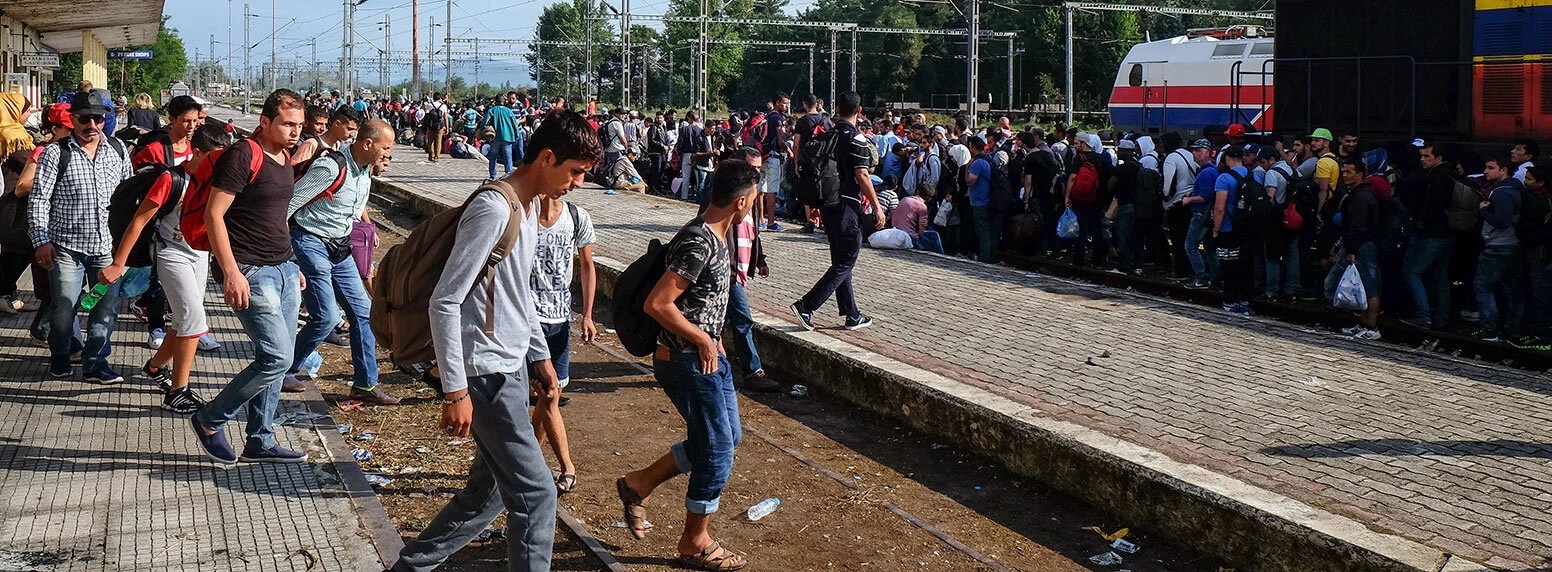
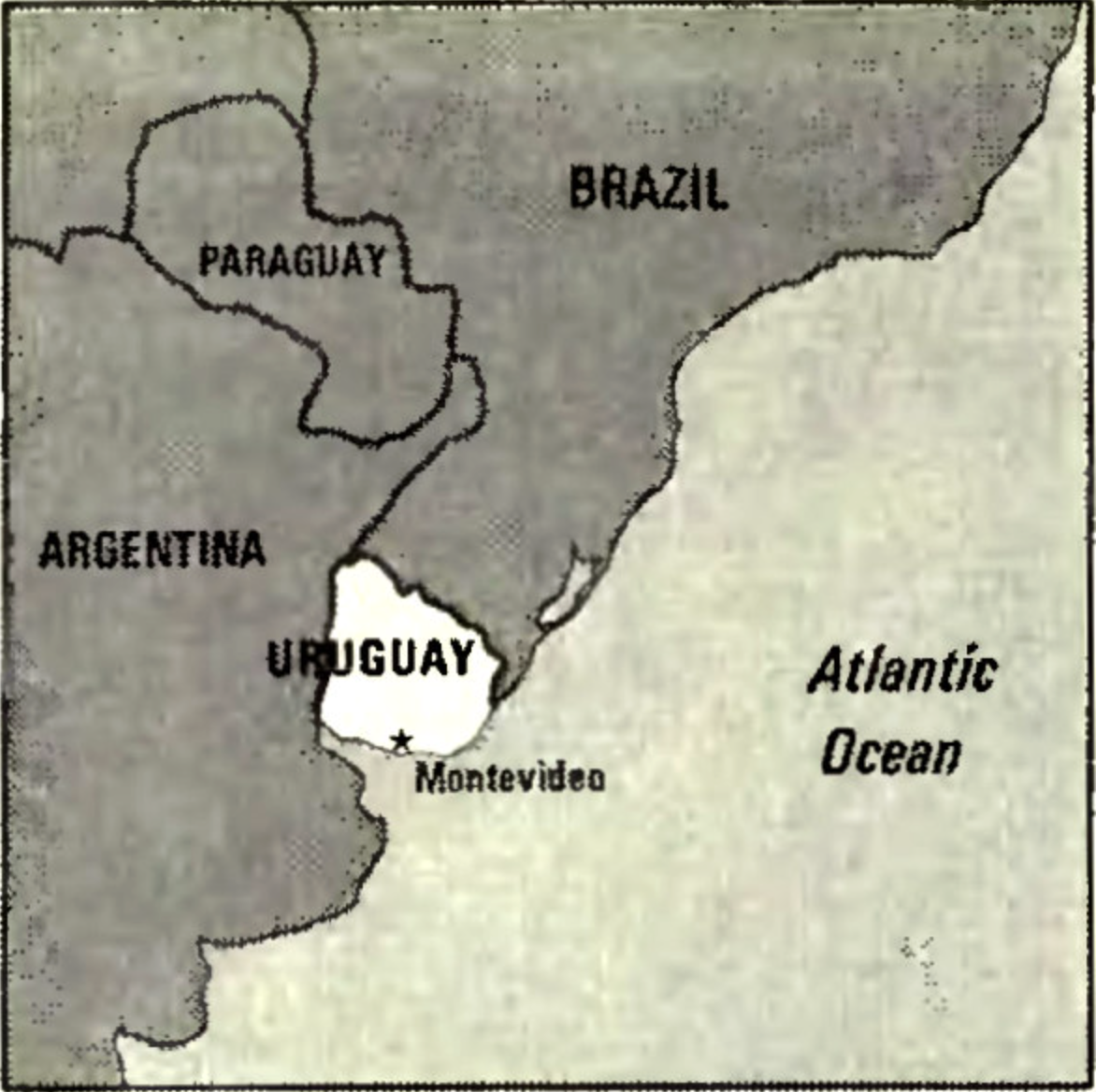
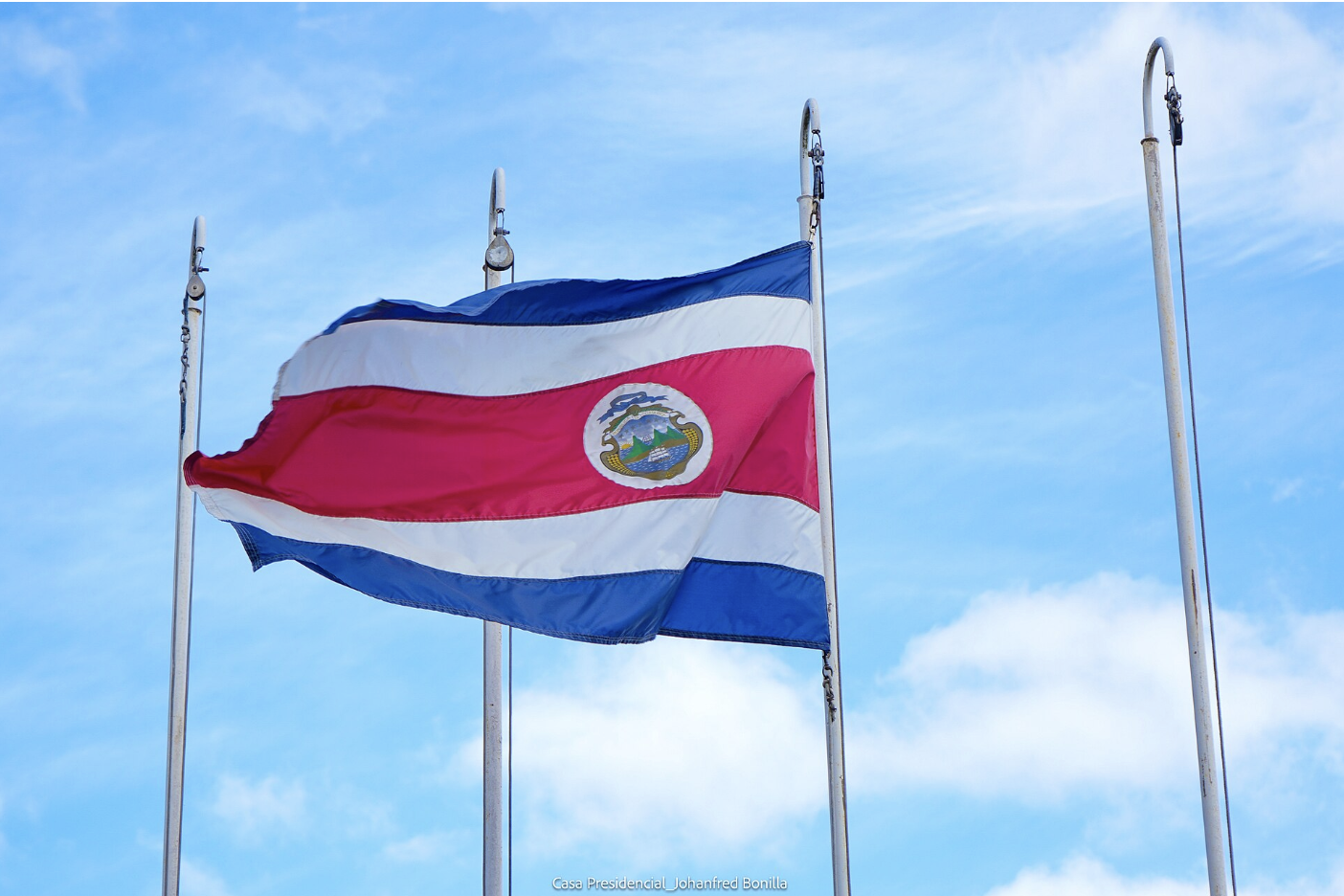
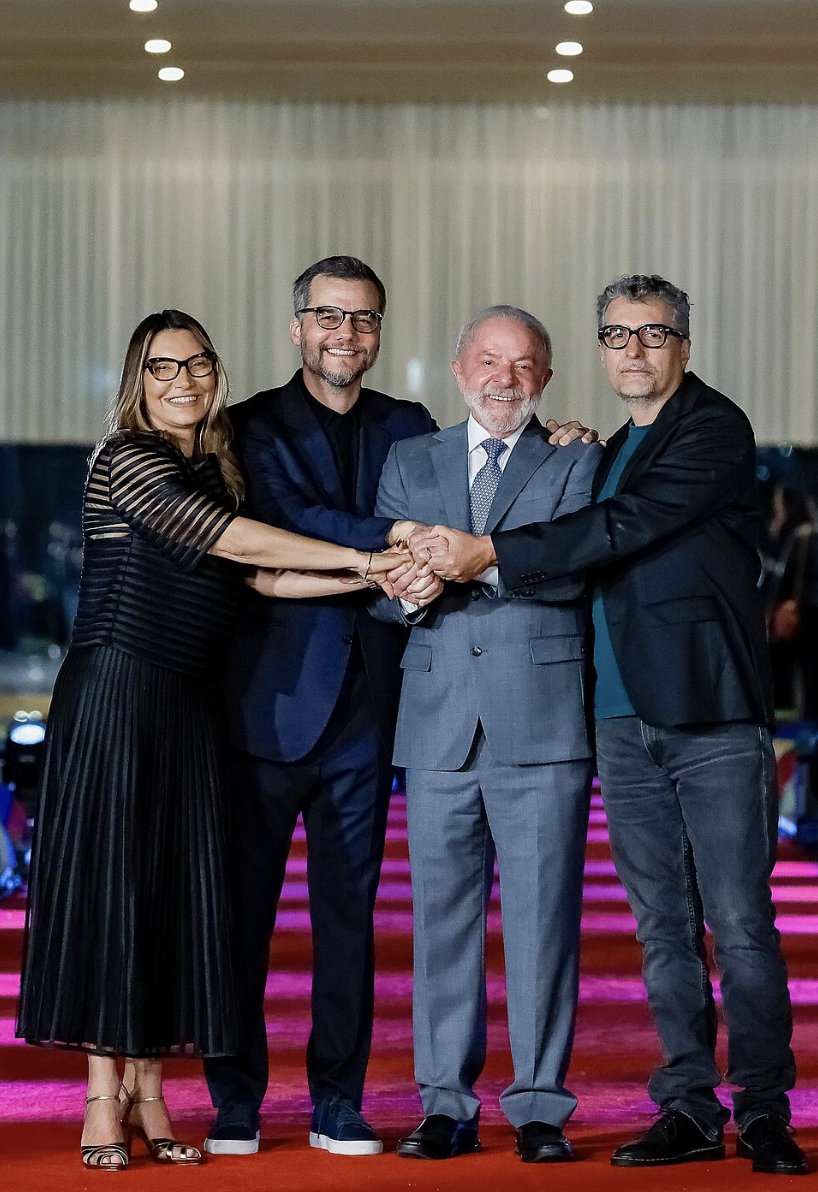
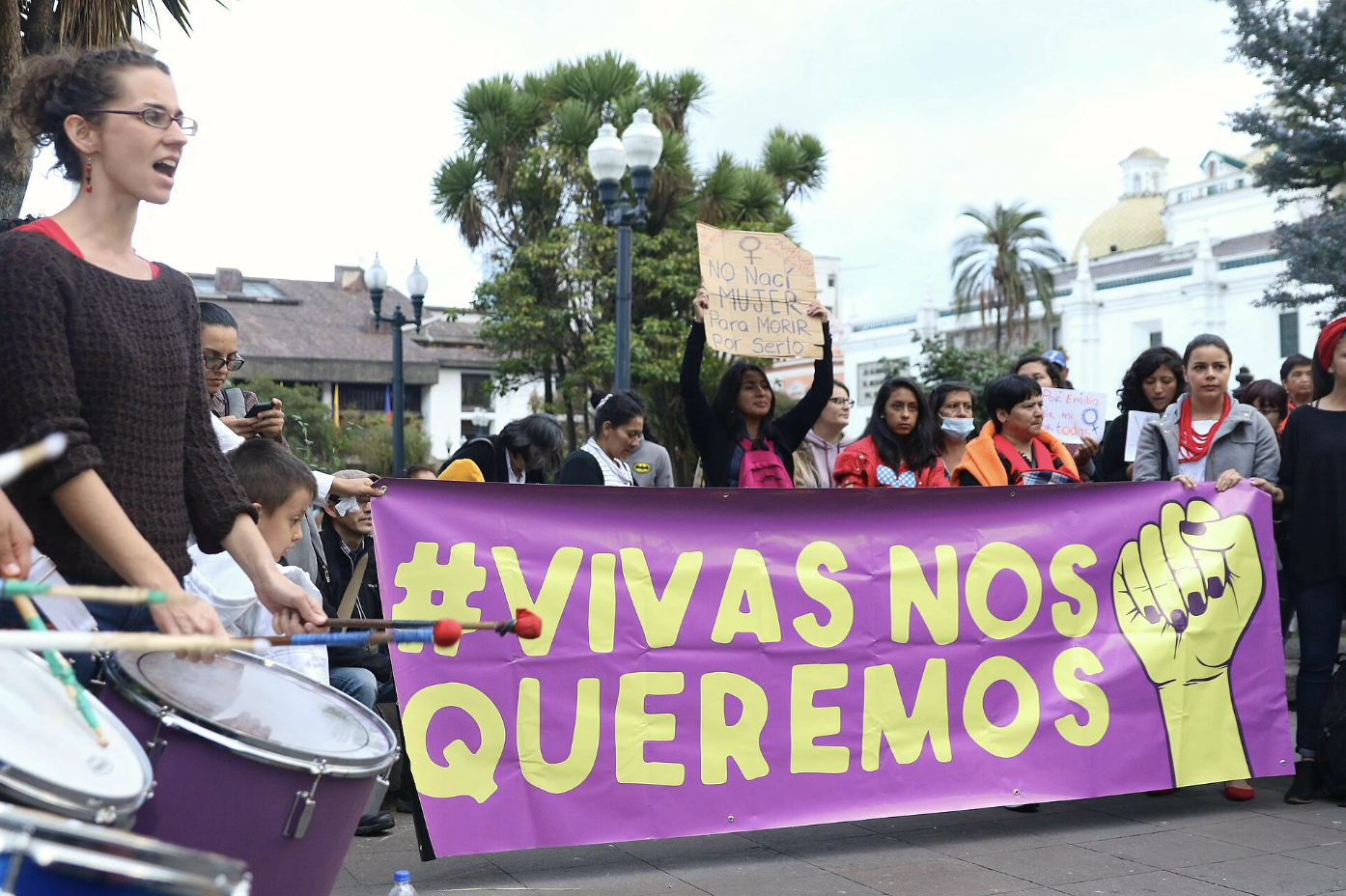
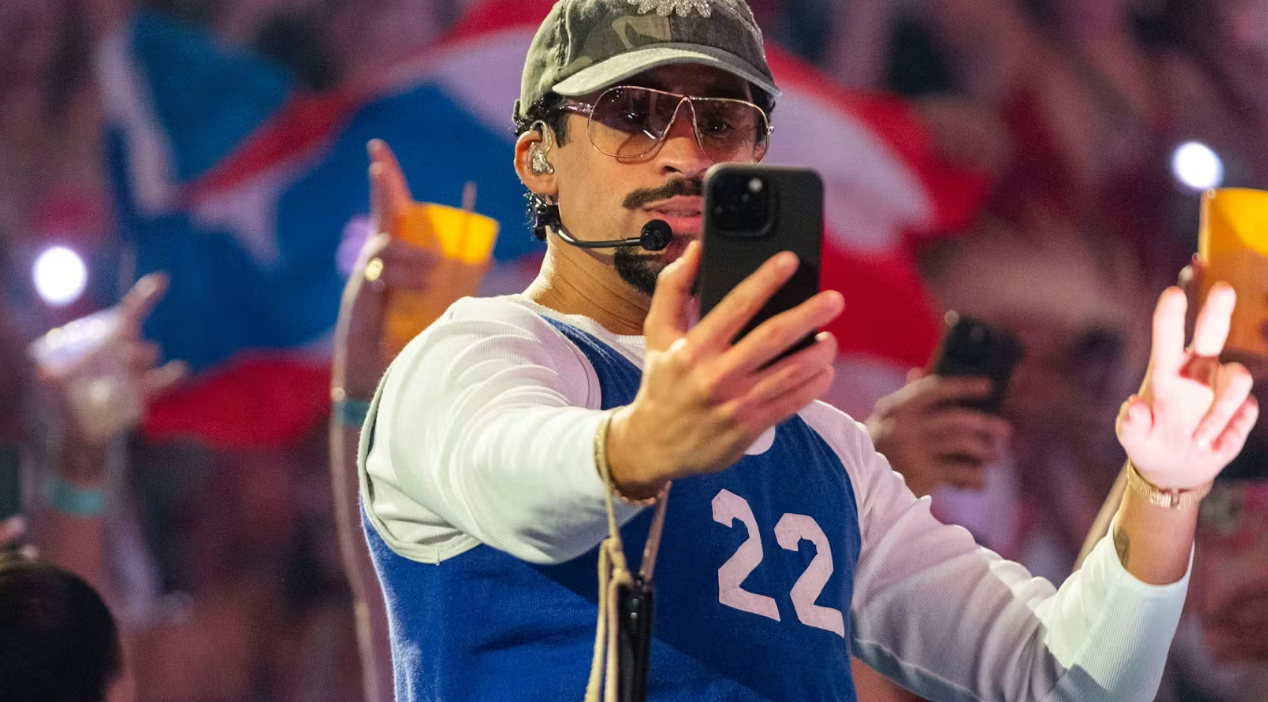

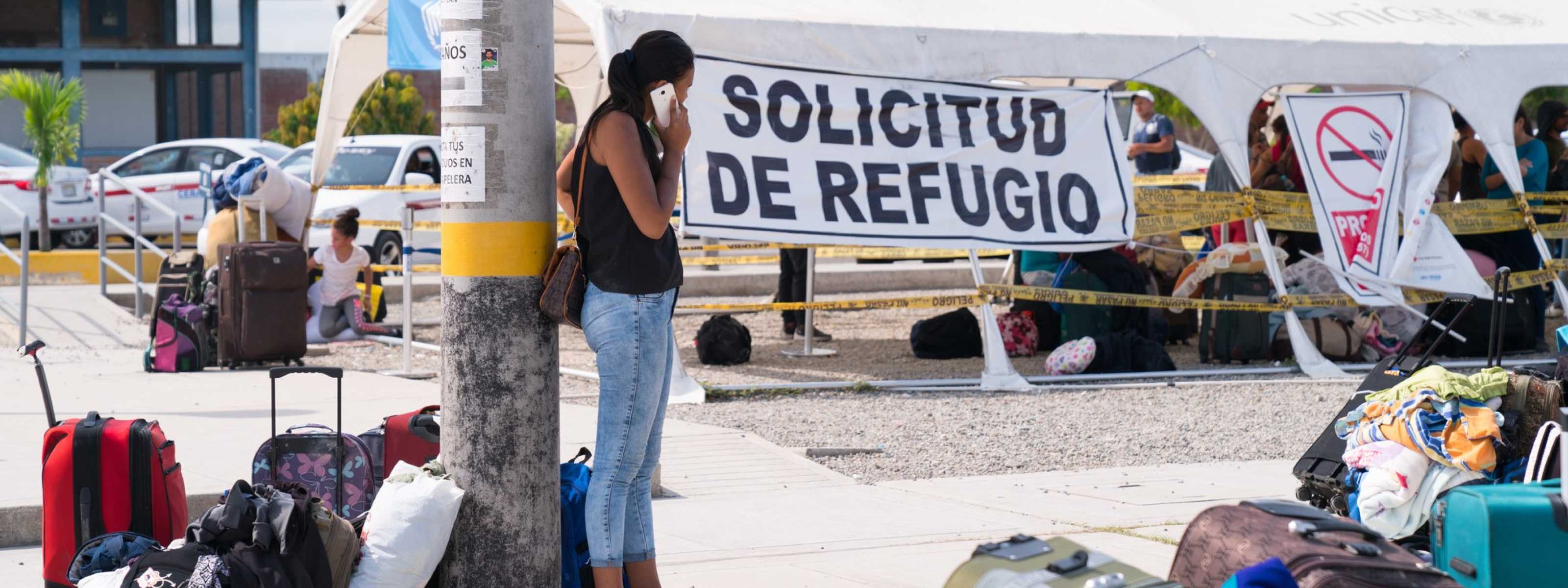
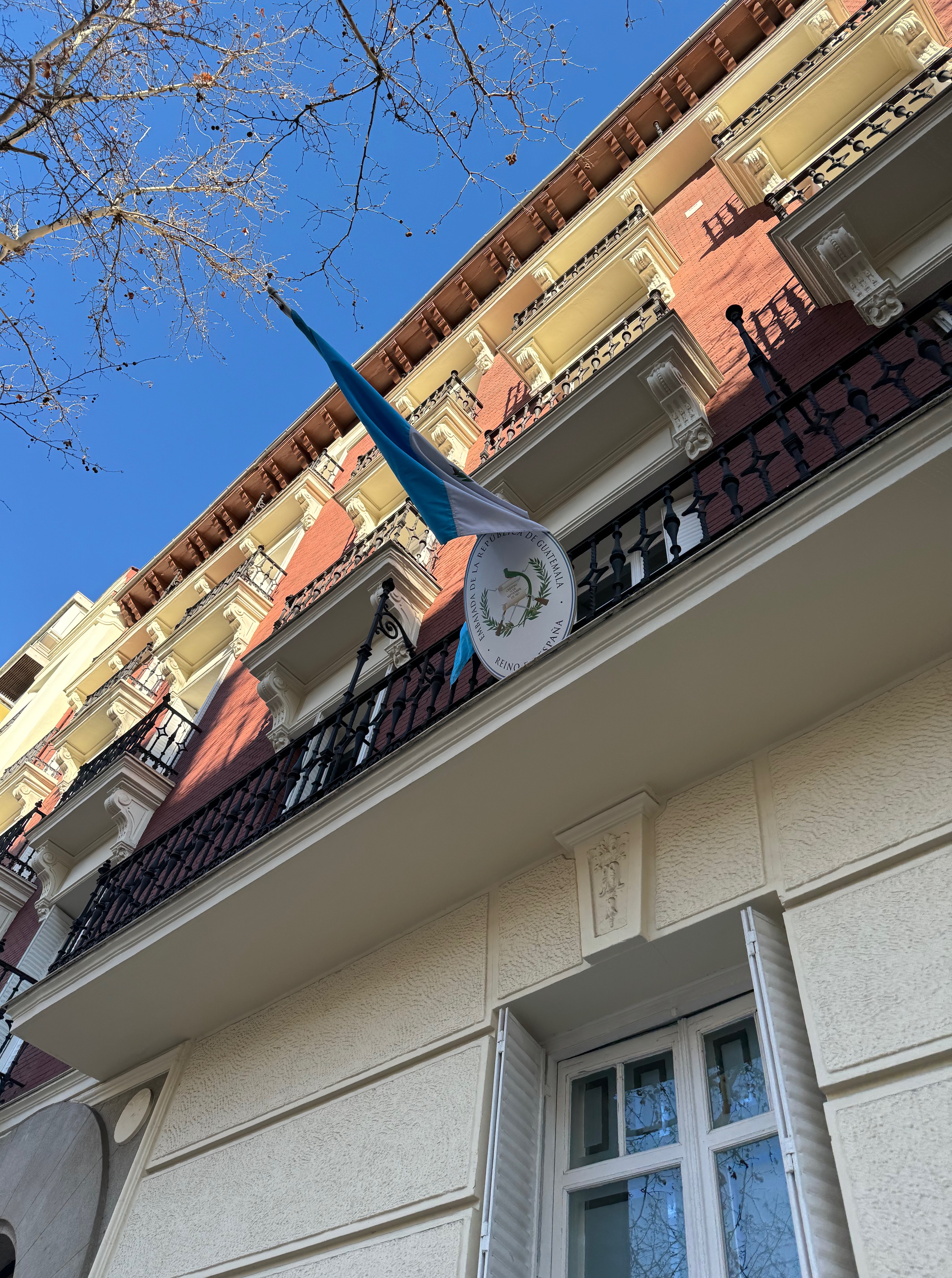
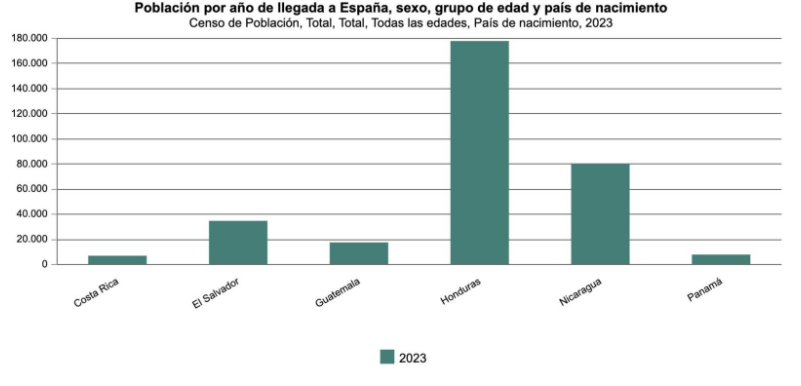
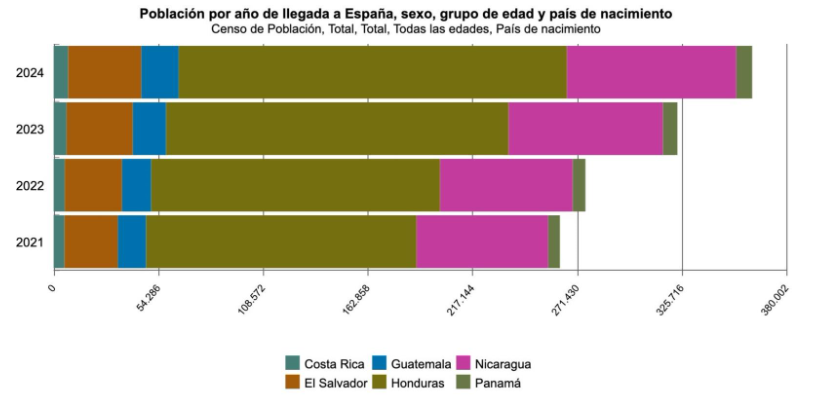
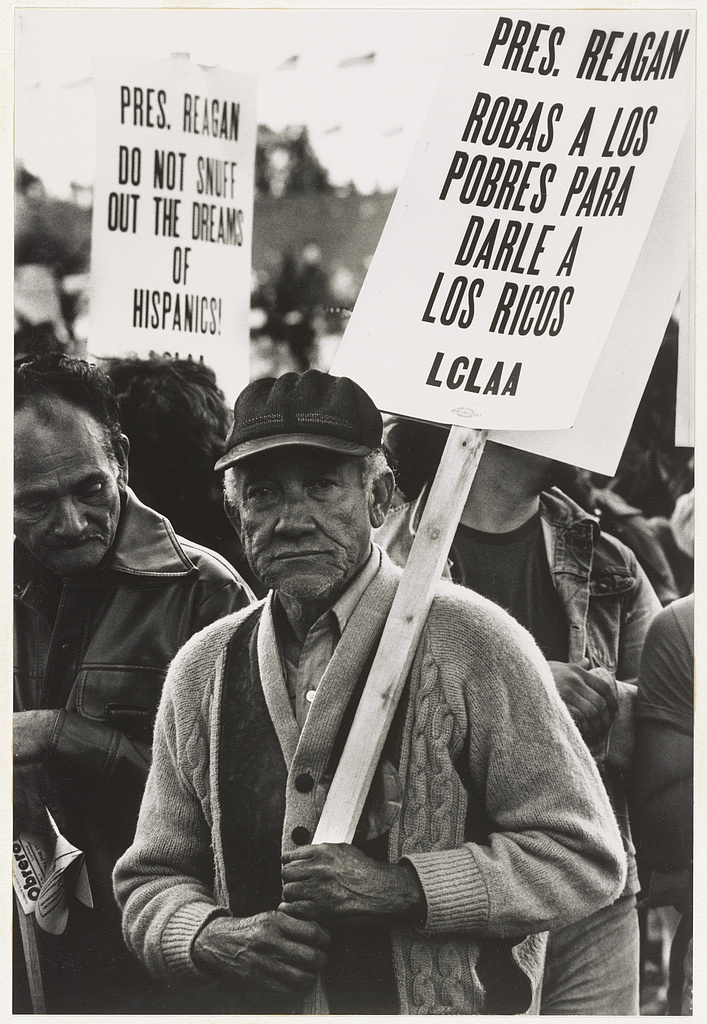
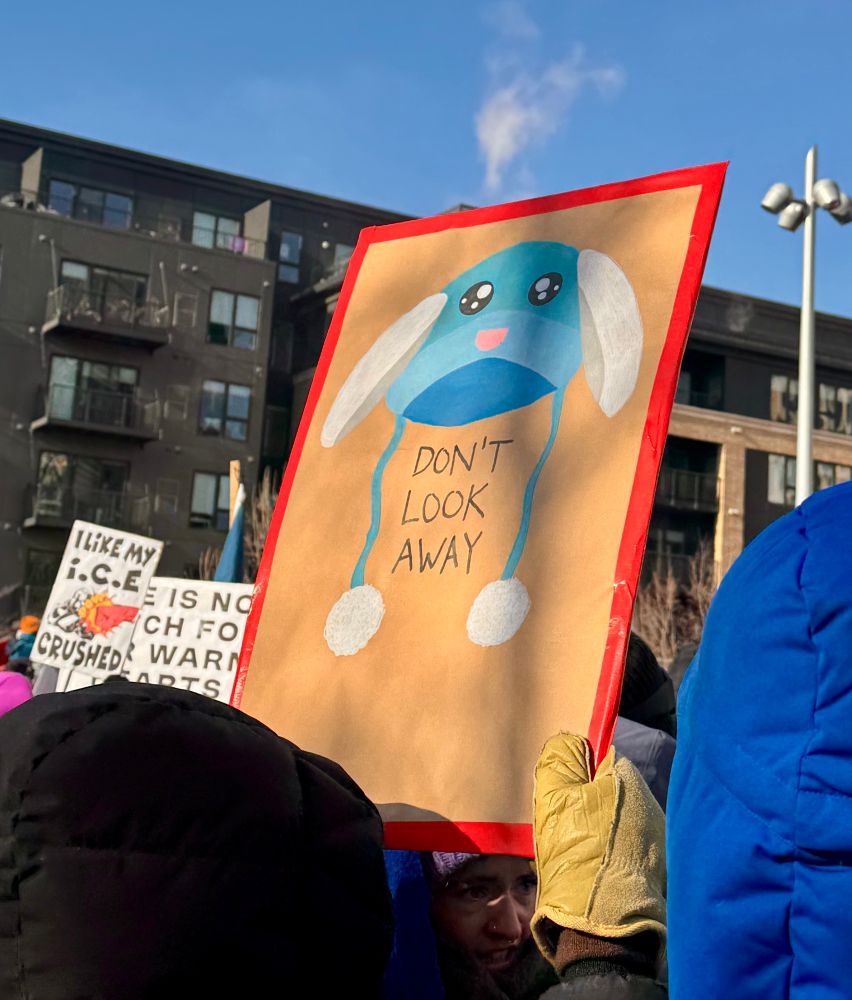
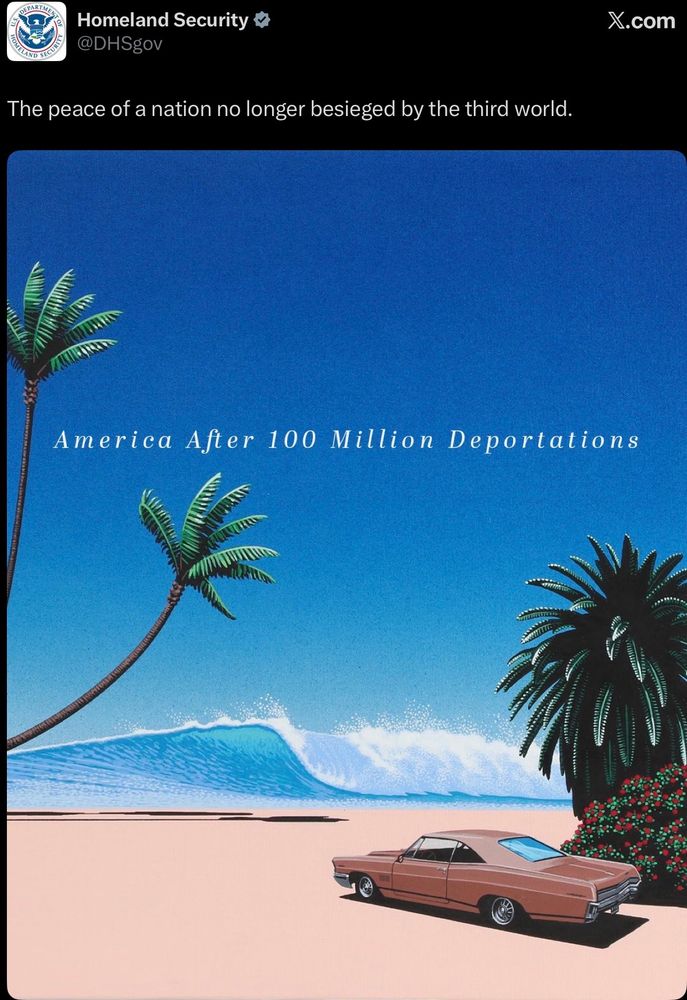
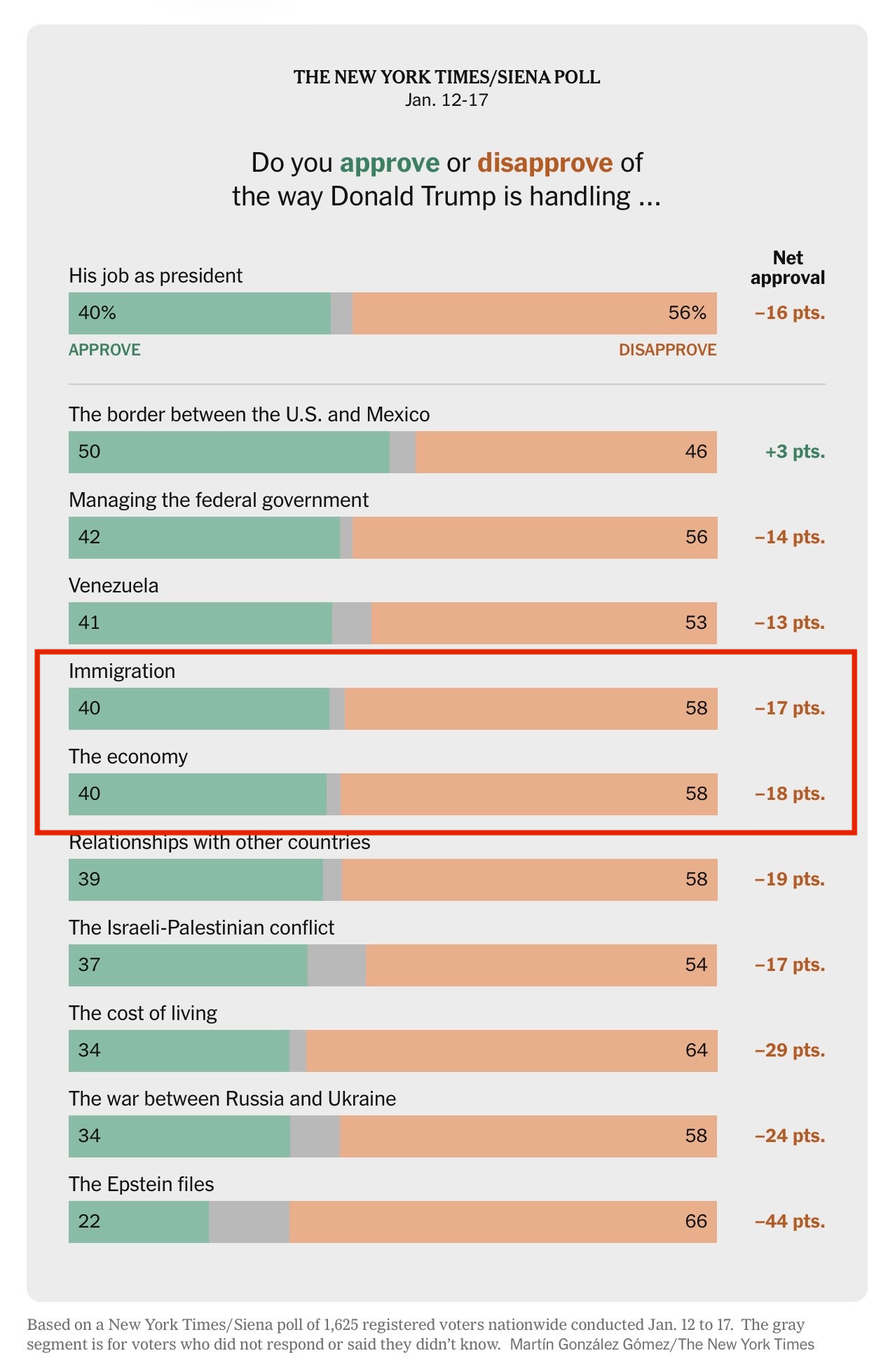


 AULA Blog
_Uruguay.jpg)
.jpg)

