El Salvador has long struggled with the legacy of organized violence, most notoriously through gangs like Mara Salvatrucha (MS-13) and Barrio 18. Until recently, these gangs wielded near-total control over neighborhoods, operating extortion rackets that shaped the daily lives of ordinary Salvadorans. While recent efforts by President Nayib Bukele’s administration have dramatically curtailed gang activity, the effects of past criminal governance continue to haunt Salvadorans, especially those navigating the United States immigration system. The 2025 executive order issued under the Trump administration, classifying MS-13 as a terrorist organization, may have aimed to combat transnational crime, but it also intensified the exclusion of Salvadorans in and from the United States. This designation renders many Salvadorans inadmissible to the United States and ineligible to receive immigration benefits—not because they pose a threat, but because they were once forced to “pay rent” to survive.
Photograph of Federal Court by Carol M. Highsmith. Retrieved from Raw Pixel.
Before El Salvador’s recent crackdown, gang extortion was a widespread and normalized form of criminal taxation. For years, MS-13 and Barrio 18 demanded weekly or monthly payments from residents, street vendors, and business owners. Refusal to pay often led to harassment, violent retaliation, or even death. This practice was not a matter of choice—it was a matter of survival. Victims lived in a state of constant psychological distress, stripped of agency and decreasing trust in institutions.
Extensive journalistic investigations documented this grim reality. The 2020 VICE documentary Pay Up or Die: The Gangs Extorting a Nation featured firsthand accounts from Salvadorans who, to stay alive, had to close businesses, relocate, or pay gangs what they could. Similarly, Killers on a Shoestring: Inside the Gangs of El Salvador, a 2016 report by The New York Times, illustrated the staggering scale of gang influence, which, according to this article, once spanned 94 percent of El Salvador’s municipalities. These criminal groups extracted payments from nearly 70 percent of small businesses at their peak. For many Salvadorans, paying rent to a gang was not collaboration—it was a survival mechanism.
In January 2025, the Trump administration issued an executive order that allowed criminal organizations to be designated as Foreign Terrorist Organizations (FTOs) or Specially Designated Global Terrorists (SDGTs). A month later, the U.S. Department of State officially designated MS-13 as such. While this classification may have served political objectives and enhanced the United States government’s ability to prosecute gang leaders, it also marginalizes Salvadoran nationals who were once coerced into coming into contact with the gang. This classification now has serious repercussions for Salvadorans navigating the United States immigration system.
Creative Commons Licenses.
Under Section 1182 of the Immigration and Nationality Act (INA), individuals who have provided “material support” to terrorist organizations are considered inadmissible to the United States. This includes anyone who has paid money, offered food, or given shelter to a designated group. Crucially, the Board of Immigration Appeals (BIA) case, Matter of M-H-Z, 26 I&N Dec. 757, established that even when providing material support to a terrorist organization is done under duress, it still constitutes a bar to admissibility under the INA. Thus, Salvadorans who previously paid extortion fees to MS-13 to protect themselves and their families could still be barred from entering the United States. As such, a Salvadoran street vendor who once paid $10 a week to avoid being killed by MS-13 may be barred from entering the United States to visit a loved one on a tourist visa or to come to our border and seek asylum the “legal way”—even if they are fleeing the very violence the United States condemns.
This legal rigidity is not only unjust—it is blind to the realities that Salvadorans have endured and the lives they now wish to lead. The landscape in El Salvador changed significantly in the last few years due to mass incarcerations under the Bukele government’s state of exception. Today, many Salvadorans are not fleeing imminent violence, but wish to reunite with their loved ones who once fled the Civil War or gang violence that once terrorized the country. Many may seek to travel to the United States to participate in their loved ones’ most important moments: meeting a newborn grandchild, attending a sibling’s wedding, or celebrating a child’s graduation.
For Salvadorans in the United States with deep transnational ties to El Salvador—especially in cities like Los Angeles, Washington, D.C., and Houston—these visits are acts of love and family unity, not security risks. Yet the application of terrorism-related inadmissibility rules still casts a wide and indiscriminate net, making it nearly impossible for some to obtain even a tourist visa if they had any past contact with MS-13, regardless of context. Not to mention those who have legitimate persecution claims and are fleeing from violence. This legal structure contradicts both humanitarian principles and the reality of criminal governance in El Salvador. The majority of those who interacted with MS-13 did so under threat, not allegiance.
There is no doubt that MS-13 committed acts of brutality. Their transnational reach and harm are undeniable. However, the blanket classification of the organization as a terrorist entity, combined with a rigid application of immigration law, fails to account for the nuance of civilian life under criminal regimes. Salvadorans who were extorted by gangs are not terrorist sympathizers or supporters; they are victims. Continuing to penalize them under blanket statutes undermines the humanitarian values the United States claims to uphold. This United States policy punishes those who suffer, treating survivors of violence as security threats rather than individuals in need of protection.
United States policymakers must revise the implementation of immigration statutes, such as Section 1182, to recognize the lived experiences of those under criminal control. Anything less is a failure to distinguish oppressors from the oppressed. This includes incorporating mandatory exemptions for individuals who acted under duress and updating the waiver process to be transparent, accessible, and timely. Additionally, it means recognizing that people migrate not only to flee but to connect—to love, to celebrate, to live. Salvadorans deserve the chance to do so without being condemned for surviving a past they never chose.
The term “sanctuary” dates back to late-imperial Rome and pre-16th century Western Europe, when temples, monasteries, and churches were places where victims, run-away serfs, and fugitive criminals were provided protection from local or remote government authorities. Religious houses would provide temporary protection to walkers who wanted to protect themselves from crooks or lords based on the Christian traditions of intercession between persecuted individuals and political authorities, and the ability of religious authorities to provide penance and to rehabilitate people through faith, prayer, and sometimes communal labor or what we would call now “community service.” Churches and hostels along pilgrimage routes welcomed strangers, who were protected due to their participation in religious rituals en route to shrines and sacred places. Think of today’s walking pilgrimages on the road to Santiago de Compostela in Spain and the hostels and inns along the way. Authorities would then recognize this practice. Emperor Constantine, “guaranteed sanctuary in Christian churches in 324 C.E.” (Rabben 2011: 55). Pope Leo I also wrote about sanctuary and gave Bishops the role of intercessors and advocates in favor of fugitives (Rabben 2011: 56).
The early practice of providing sanctuary in Europe is similar to how churches, along with religious and activist networks, were used to construct the Underground Railroad in the United States during slavery. This secret network helped enslaved people escape the South to free states, Canada, or Mexico. Harriet Tubman, a key figure in this movement, was deeply motivated by her religious faith and played a crucial role in freeing others. Her mission to help free enslaved people would not have succeeded without the support of White allies, who were less likely to raise suspicion.
Starting in the 1980s, a group of U.S.-based religious activists, State Department workers, journalists, and human rights activists helped people fleeing political persecution in El Salvador and Guatemala. These individuals were escaping U.S.-backed dictatorial regimes and sought safety in American cities like Los Angeles, San Francisco, and Washington, D.C. James Cobert, an activist Quaker, would call it a “pro bono coyote operation … the activists would help Salvadorans cross into the U.S., then hide people’s homes and in churches until it was safe to interior of the country” (Blitzer 2024:60). Soon after immigration agents dragged a Salvadoran teenager from a Lutheran Church in LA after an outcry by parishioners, the local INS Director produced an order, “in essence, saying the church is a sanctuary, but it is not established in law” (Blitzer 2024:69). This marked the birth of the modern sanctuary movement in the United States. Individuals acted because the U.S. government was unwilling to accept people from these countries as refugees, all while helping the regimes that caused their migration.
These actions partly merged with a nascent immigrant rights movement in the U.S., paralleling movements in France, where undocumented immigrants sought protection from deportation by living inside churches in Paris and other cities. With media coverage, public support, and pressure, some of them were able to legalize their status after months of living in sanctuary.
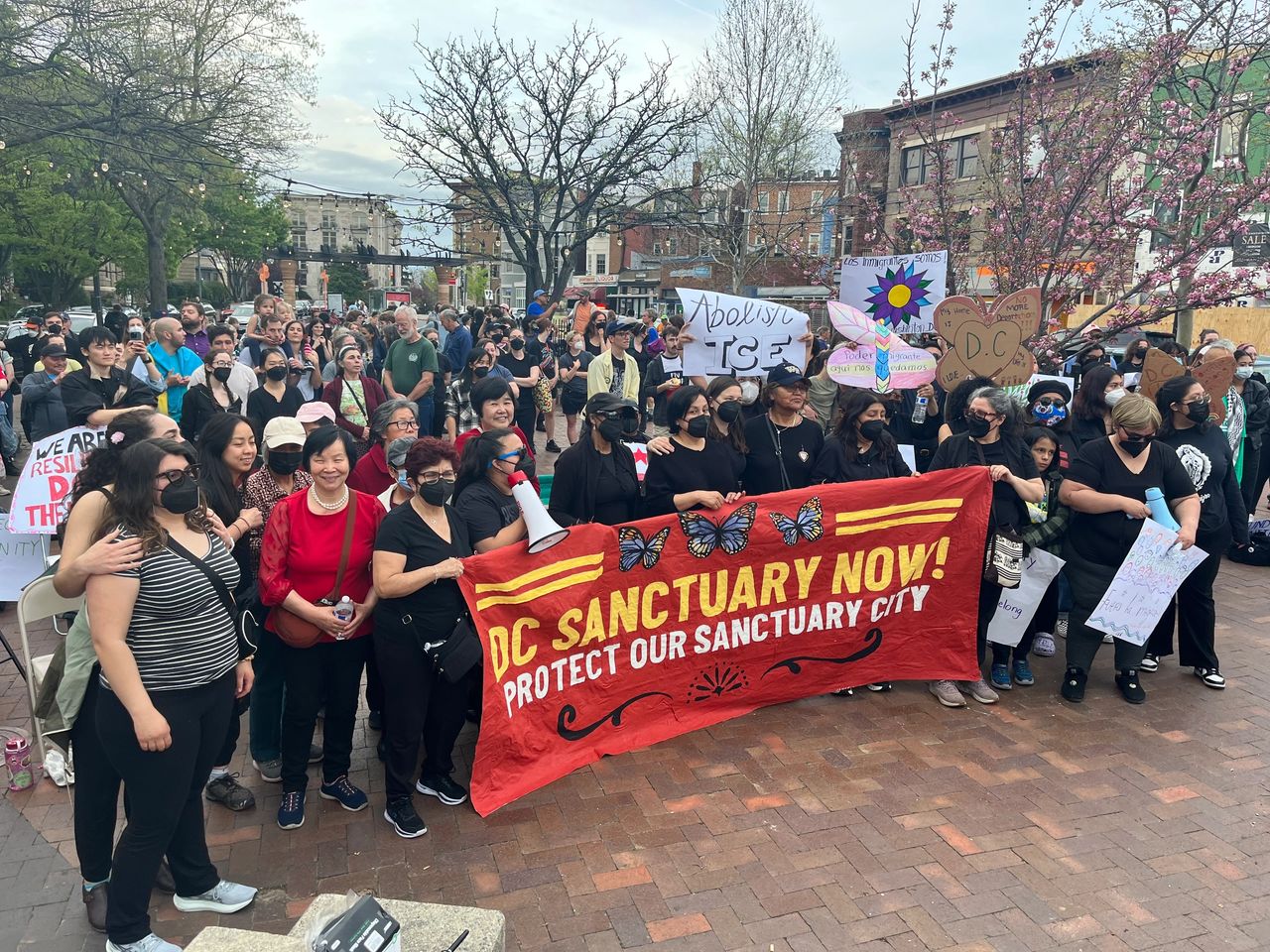
At some point, larger jurisdictions, including cities, started declaring themselves “sanctuary cities.” However, this is largely a symbolic self-declaration. There is no federal legal definition because there is no federal ‘sanctuary’ law that specifies what this entails or what protection it guarantees. The practical meaning happens on a case-by-case basis. Though generally, these cities are places where there is tolerance for foreign-born, minority, and undocumented populations.
After the end of the Obama administration, authorities in major cities such as New York and Los Angeles began adopting policies more friendly to undocumented migrants. One of the most important policies and practices is the type of collaboration they have with federal immigration agencies. When the local police arrest a person, their immigration status may come up, and with it the question of whether to notify federal immigration authorities, such as ICE, automatically or only in cases involving major crimes. When ICE finds that an undocumented person has been arrested, they may ask local authorities to hold them so that ICE can pick them up. Under agreements following Section 287(g) of the Immigration and Nationality Act, many jurisdictions, particularly in Republican-led Southern states, actively cooperate with ICE to seek the prosecution of undocumented people through federal agencies. In these areas, local police and sheriffs can become deputized to work as immigration law enforcement agents. Most sanctuary cities do not automatically cooperate in this way; what matters is whether they prioritize prosecuting actual crimes or primarily focus on identifying individuals who are circumventing immigration law, which is part of civil law, not criminal law.
The key issue is whether local police wait for federal immigration authorities to intervene and sometimes initiate deportation proceedings, or release individuals who have not committed a serious crime. This is where local discretion is crucial and where being in a sanctuary city or not can make a significant difference.
Because each state or local authority has its own laws, policies, and practices, local police departments, even those within the same metropolitan area, may or may not collaborate with federal immigration agencies.
While living in a sanctuary city may offer some protection, there is no guarantee that local or federal authorities will not verify immigration status. Most immigrants understand this reality, so they try to limit their activities to home and work as much as possible, keep a low profile, and are extra careful not to commit crimes or violate any laws. This is partly why crime rates are significantly lower for immigrants than for U.S.-born people. Many immigrants distrust the police, so they avoid standing out and may refrain from driving or leaving home unnecessarily.
But the Trump administration, like other Republican administrations in the past, is seeking maximum possible coordination and collaboration. The number of 287(g) agreements has increased, and Florida is the state with the most of these agreements.
Zoom in and see more details on the ILRC’s interactive map here.
In the contemporary United States, there has not been a true ‘sanctuary’ city, where federal agencies like ICE cannot arrest and initiate deportation proceedings. It is not true that an undocumented person can simply arrive in a sanctuary city, request asylum, and be protected from deportation.
ICE agents have the authority to conduct raids in factories, stores, restaurants, as well as in public places and private residences, with certain limitations. ICE can do so with or without court orders, and they often do not inform local authorities in sanctuary cities ahead of time.
Nevertheless, Trump and other Republican politicians have verbally targeted sanctuary cities and accused them of “protecting” undocumented people. They also say that sanctuary means immigrants abusing social programs. In reality, this is rarely the case as immigrants use welfare programs at lower rates than other groups. They pay more taxes and receive retirement benefits than others, even after retirement, because they cannot access Social Security payments, despite having contributed to the system. Immigrants often don’t ask for tax returns for overpaid, and many do not access assistance programs that they have the right to, so as not to be seen as a public charge.
The refusal of sanctuary cities to cooperate with federal immigration agencies does not render these cities more dangerous or unlawful. Nonetheless, the federal government has threatened to withhold resources from sanctuary cities.
The White House is currently trying to favor state and local authorities that align with its immigration policies. Republican administrations, such as those of George W. Bush and Donald Trump, have attempted to incentivize local authorities with resources to perform federal tasks, including reviewing immigration status and signing 287(g) agreements.
On his first day in office, President Trump signed a series of executive orders on immigration that permitted federal agents to search for undocumented people in churches, schools, and hospitals—places that were previously considered “sensitive” and that should be exempt from immigration enforcement and raids. Even a church stopped offering masses in Spanish in fear that Latino migrants would be targeted.
“Border czar,” Tom Homan openly spoke of targeting Chicago because of its sanctuary policies. Chicago and the state of Illinois are both governed by Democrats. Mayor Brandon Johnson and Gov. JB Pritzker have defended their support for sanctuary city laws known as “Welcoming City” ordinances. Tom Homan, along with the Secretary of Homeland Security, Kristi Noem, occasionally accompany immigration enforcement agents in field operations—often for media coverage and to put pressure on local authorities to collaborate with federal authorities.
Even with sanctuary status, there is not much a mayor can do to prevent ICE from conducting raids or apprehensions. In addition to Chicago, other cities that have recorded raids or operations by federal agents include Denver, Houston, San Antonio, Miami, and Atlanta, and increasingly around the country.
A college campus that calls itself a sanctuary campus does not provide any legal protection from deportation to people within its community. The important thing is that administrators, faculty, and university members treat everyone with respect and good intentions. Undocumented people have the right to attend public schools and attend college as well as graduate and professional schools, but unless they are under DACA, they are not protected from deportation under current laws. Something that is long overdue for Congress to fix.
Mass deportations happened during the Biden and Obama administrations, but there was less day-to-day media follow-up of these deportations. Now, there is much more attention from the public to what is happening and how it is being done.
This is partly because of the central role that Trump has given to mass deportations in his political agenda. Along with Homans, Noem, and Stephen Miller, Trump wants to conduct deportations on a larger scale, at a faster rate, and more aggressively than ever before in the United States. While doing so, they are violating many rules, including immigration law procedures, due process, and other constitutional rights.
Going back to the beginning of the tradition of sanctuary, if citizens want to protect undocumented members of their communities from deportation, asking their city, town, or campus to declare themselves a sanctuary is not enough. They must call for amnesty in the mid- and long-term, and in the short term, they would have to take matters into their own hands, as monks and priests have done in the past. They have to revive underground railroads and do what the families hiding Anne Frank and others did to protect them from Nazi roundups, as depicted in the powerful series “A Small Light.”
Edited by Katheryn Olmos. This piece builds on a piece published in Spanish on BBC News World, 28 January 2025, based on an interview with Castañeda by Darío Brooks.
You can republish for free if you keep it whole and include the author’s name, or quote a section, crediting the author.
by Ernesto Castañeda, PhD. Director of the Immigration Lab, American University
Policy brief presented at the Dirksen Senate Building on May 21, 2025.
It bears repeating that immigrants are an integral part of America’s past, present, and future. They are members of local communities. Immigrants are parents and grandparents of many U.S. citizens. Most have been here for years and are part of mixed-status families, where one or more members may be out of immigration status. Immigrants, including undocumented ones, are crucial to the U.S. economy. Most of what immigrants earn is spent on rent, groceries, services, and transportation.
In the current text of the “One Big, Beautiful Bill Act,” there is a provision to tax remittances by 3.5%. Remittances are the money that immigrants, with or without authorization, send to their families in their place of origin. Remittances are most likely to come from the wages that immigrants earn through their hard work, for which the great majority have already paid taxes. Beyond the issue of double taxation, a tax on remittances may not generate enough revenue to make it worthwhile to administer the program and enforce it. Many would simply avoid this taxation by sending the money through informal means or traveling themselves. Furthermore, taxing remittances would not be enough to change people’s decisions about immigrating or returning. Immigrants already pay between 6 and 3% of what they send in fees to (mostly U.S.-based) businesses such as Western Union that help facilitate these transfers.
Remittances are direct evidence of the many contributions that immigrants make to the U.S. economy. Remittances come from wages, and wages come from producing ideas, art, goods, and services. Thus, I calculate that in 2023, those who sent remittances contributed over 2.7 trillion, which is 10% of the U.S. GDP. Therefore, remittances represent only 3.5% of all the wealth immigrant workers create in the U.S.
Economic contributions of immigrant workers who remitted in 2023. Source Castañeda 2025.
Most importantly, remittances come at the cost of long-term family separation. Many working-age adults come to the U.S. without documents to work and send money to their spouses and children back in their hometowns, who cannot come to the U.S. due to restrictive immigration laws and heavily patrolled borders. This produces decades-long family separation: parents working in the United States and their children living in developing countries. The mental health implications for minors left behind include feelings of abandonment, separation anxiety, and continued grief for an ambiguous loss.
Children grow with more financial resources but without cohabiting with their parents. Many stay behind under the care of grandparents. Still, once their caregivers pass, we may witness unaccompanied minors heading north, as we have seen since 2014, coming from El Salvador, Guatemala, and Honduras. As we document in our book “Reunited,” the reasons why youth migrated were violence, extortion, and recruitment by gangs, higher educational and economic goals, but primarily the desire and possibility of family reunification with their biological parents.
Beyond the separation experienced by “transnational families,” families divided by borders, we increasingly see cases of family units traveling together that are sometimes separated at the border, as well as settled mixed-status families who suffer from family separations due to deportations. The arrest and debasement of parents by authorities in front of children can create a sense of insecurity. Children feel parental separation as abandonment, resulting in reduced self-esteem and self-efficacy. When legal avenues for asylum and low-skilled workers are reduced, international migration becomes more expensive, dangerous, stigmatized, criminalized, and possibly traumatic. This reduces worker productivity and the emotional resources immigrants can deploy to raise the next generations of Americans.
Immigration is an investment in the form of human capital and economic resources. In 2023, the USA received over $7.2 billion in remittances, largely from immigrant family members. Immigrant-initiated family separations produce remittance flows, but they also produce negative health outcomes for the children of immigrants abroad. State-initiated family separations due to deportations weaken the economy by removing breadwinners and leaving U.S.-family members more vulnerable to economic and psychological stressors. Deportations impact international and U.S. families; they also impact foreign economies in the short term but weaken the U.S. economy in the short and longer terms by reducing the size of the workforce and the overall population. A sign of this is that for every working-age person deported to Mexico (who earns the minimum wage in both countries), Mexico loses around US$4,200 in remittances but could gain around $22,613 yearly in wealth by adding another much-needed worker. If the U.S. deports 5 million Mexican citizens and some of their adult U.S.-citizen or third-country family members, Mexico could gain US$113 billion, almost double the US$63 billion remitted to Mexico in 2023. This would also cause family reunifications and population growth in Mexico.
What can Congress do? Taxing remittances is counterproductive. Many immigrants could have faced significant trauma in their countries of origin, and on their way, and immigration law enforcement creates new stressors that exacerbate depression, anxiety, and PTSD. Amnesty programs and creating new pathways to citizenship to ease family reunification and immigrant integration would result in higher taxes, better security, and physical and mental health for all US residents.
Thanks to Tanya Golash-Boza and the staff of the University of California DC Center and the Scholar Strategy Network for co-organizing the policy briefing with CLALS.
Published May 23, 2025.
You can republish for free if you keep it whole and include the author’s name, or quote a section, crediting the author.
El Salvador’s President Nayib Bukele speaks during a press conference before casting his vote in a parliamentary election in San Salvador, on February 28, 2021 (REUTERS / Jose Cabezas)
When President Ronald Regan distributed billions of dollars in economic and military aid to El Salvador during its civil war in the 1980s, it fueled the displacement of roughly one million Salvadorans and the slaughter of thousands. Years later, many Americans forgot this chapter in U.S. history, as American politicians smeared the image of this small Central American country. Senator Marco Rubio once described El Salvador’s suffering as “the result of bad leaders, rampant crime and natural disasters.” However, many Salvadorans—myself included—have not forgotten.
President Nayib Bukele was reelected in February of last year and has been credited with transforming El Salvador from one of the most dangerous countries in the world into the safest—despite growing concerns regarding human rights violations. Now, the U.S. government and President Trump bear responsibility for the current crisis of criminalized migration, as evidenced by the agreement between the U.S. and El Salvador to imprison migrants from multiple countries in the mega-prison CECOT. This development echoes the violence the U.S. once supported during El Salvador’s civil war, as the country now becomes the face of U.S. immigration hell.
U.S. Involvement in the Civil War
Between 1980 and 1990, during the brutal 12-year Salvadoran civil war, the United States provided over $1 billion in military assistance to El Salvador—including approximately $996 million for military education and training. That training was later used to terrorize and kill Salvadoran civilians.
One female participant interviewed by The Immigration Lab, from El Gavilàn, El Salvador, describes the horrors she witnessed during the war:
“Sometimes the guerrilla would pass by and force us to give them food, and the armed forces would realize what had happened. The problem was that if they [the guerrillas] passed by and forced us to give them food, we had to. My two uncles were killed that way—because they came to us asking to give them food, and when the armed forces realized that, they kidnapped and murdered them.”
It was U.S.-trained Salvadoran military, such as the Atlacatl Battalion, that were responsible for the El Mozote Massacre—one of the worst massacres in Latin American history. On December 11, 1981, residents of El Mozote were rounded up to be killed, dismembered, and raped. Nearly half of the victims were under 10 years old.
But why would the US government support such horrific acts of mass murder? During the Cold War, the left-wing militia Farabundo Martí National Liberation Front (FMLN), was at war with the Atlacatl Battalion. The guerrillas, influenced by left-wing politics and Catholicism, were one of the country’s most prominent political forces. President Ronald Reagan’s fear that El Salvador’s authoritarian government might fall to communism led the U.S. to excuse and cover up atrocities in the service of anticommunism and defeating the guerrillas.
A mother from Ayutuxepeque told us her reason for migrating to the U.S. was her fear that the Salvadoran armed forces would target civilians for their political beliefs.
“The fear was overwhelming, just because you had an affinity towards a certain group. The armed forces would come and murder you. That’s why people mainly fled.”
Misinformation about the massacre and its aftermath spread, as the U.S.-trained Salvadoran military denied responsibility for the deaths of hundreds of civilians, claiming that the massacre was “totally false.” However, the Truth Commission for El Salvador issued a report documenting human rights violations from 1980 to 1991. It found that 85% of the cases reported to the Truth Commission involved state agents or death squads allied with Salvadoran armed forces.
Another female participant from La Union, El Salvador, described her immense fear of the Salvadoran armed forces:
“One had so much fear. There was no sense of security at all. Dead people would appear in alleyways. I couldn’t even sleep because I was scared they [armed forces] would knock on my door. I suffered a lot.”
Aftermath
Due to the civil war, more than a million Salvadorans were displaced, and half a million fled to the United States during the 1980s. However, just 2% of asylum applications filed by Salvadorans were approved, making it incredibly hard to legally stay and work in the U.S. This stemmed from U.S. aid to the Salvadoran government—extending protection would have contradicted its own foreign policy. However, in 1990, Congress created a program and legal immigration status called Temporary Protected Status (TPS), providing temporary permission to reside in the U.S., a work permit, and protection from deportation for foreign nationals of designated countries that are facing an ongoing armed conflict, environmental disaster, or extraordinary and temporary conditions.
The growing Salvadoran Population in Los Angeles during the early 1980s led to the formation of Mara Salvatrucha (MS-13), a Salvadoran street gang formed to navigate life in impoverished neighborhoods and defend its community members from other gangs. However, mass deportations of young Salvadorans involved with MS-13 led to the further destabilization of El Salvador, contributing to the gang’s expansion.
By 2005, Salvadoran authorities estimated the gang population at 40,000, with MS-13 having significant control of the country, and Salvadorans were living in fear, once again. The gang recruited older children and teenagers, many of whom were vulnerable targets as they lacked the means to survive in a country suffering from economic turmoil and educational limitations.
By 2015, El Salvador had become the most dangerous country in the world, with 103 murders per 100,000 residents—many linked to MS-13 or its rival, the 18th Street gang. The brutality of MS-13 is often characterized by not just killing but also by torturing, maiming, and dismembering victims. This gang funded itself through extortion, and in 2019, MS-13’s estimated revenue was $31.2 million.
Salvadorans saw a glimmer of hope in February 2019 when Nayib Bukele won the presidency, as he pledged to combat the gangs in El Salvador. He began addressing the country’s high crime rate by increasing police and military presence in gang-dominated areas to diminish their control, declared a state of emergency in prisons, and placed them on lockdown to prohibit visitors in order to block out communication with the outside world. By 2022, El Salvador’s homicide rate dropped to 7.8 per 100,000 residents—due in part to the imprisonment of more than 50,000 gang members.
It’s no surprise that President Nayib Bukele’s actions have caused him to be highly popular. You can even walk through parts of the Washington metropolitan area with Salvadoran populations, such as Columbia Heights or Hyattsville, and see merchandise with Bukele’s face. But with many discrepancies in detainees dying and rampant due process violations, it is clear that the improvement on El Salvador’s gang problem came at the expense of massive human rights violations.
El Salvador now surpasses the U.S. as having the world’s highest incarceration rate. In 2022, as many as 3,000 children have been arrested without any connection to criminal activity—many imprisoned solely based on their appearance or anonymous tips. These detainees are being sent to CECOT, which held Kilmar Armando Abrego Garcia, and holds many Venezuelan and Salvadorian immigrants sent by the United States government. But beyond its most notorious facility, El Salvador has 25 prisons across the country, where people have been vanished to and have not been heard of again.
Inmates dying under suspicious and unexplained circumstances being buried in mass graves, mirrors the events from the Civil War. Ramón Abraham Vargas Ávila died in Santa Ana on April 14 and Lorena Abigail Escobar Mejía died in Apanteos prison on April 18. The lack of coverage surrounding their deaths speaks volumes about the unimaginable things occurring inside Salvadoran prisons. Many of the detainees come from impoverished communities, highlighting policies rooted in eugenic ideologies aimed at eliminating the country’s poor through mass incarceration, gentrification, and the expedited naturalization of white tourists. President Bukele offers free visas under the guise of boosting the country’s economy, yet fails to address the needs of Salvadorans living in impoverished neighborhoods with limited access to employment or educational opportunities.
It is nauseating to see other Americans visit and revel in the beauty of the land I’ll never fully know because of the atrocities of the 1980s and the need for my family to flee. It pains me to hear elder Salvadorans fall victim to the propaganda and misinformation about what El Salvador has become. History has conditioned Salvadorans to favor strong, authoritarian leaders, and the country has never truly been given a chance to heal from the Civil war.
The U.S. has made a $15 million deal with El Salvador to imprison deportees. Some 278 men deported by the Trump administration to El Salvador have been accused of being members of the Venezuelan gang Tren de Agua or Salvadorans allegedly affiliated with MS-13—often on baseless connections such as simply having tattoos. The current U.S. administration sees El Salvador as nothing more than a remote place to detain people in what is essentially a concentration camp, where people sit without being found guilty or provided due process. What Bukele is doing to these kidnapped men is what he has been doing to Salvadorans for years—and only now is the Salvadoran diaspora beginning to wake up.
Valeria Chacon is a former research assistant and recent graduate of American University.
Although the xenophobic discourse has not changed much, Trump’s second administration has been much more aggressive in its goal of reducing the number of immigrants arriving at the U.S./Mexico border and within the United States. New executive orders eliminate some of the modest practical achievements of the Biden administration, put in place to handle the search for asylum, safety, and stability in a more orderly and humane way. The new administration is planning to end many of the humanitarian “paroles” and temporary protected status (TPS) for people from many countries, including Venezuela, Haiti, Cuba, Nicaragua, and other places in Latin America and the Caribbean, as well as Afghanistan and Ukraine. So, more than reducing the number of undocumented immigrants, Trump is creating hundreds of thousands of new undocumented immigrants in the interior of the country with his executive orders. An amnesty would do the reverse. Which reminds us that immigration status is the result of legislative decisions and that with the signing of an official law or document by the legislative and executive powers, this status can be changed for millions of people almost immediately.
Unfortunately, Trump is not interested in negotiating with Democrats for a comprehensive immigration reform that includes regularizations, as well as more border security measures and pathways to immigrate legally in the future. On the contrary, Trump’s second administration is in the process of hindering and making legal migration much harder, and foreigners’ ability to stay, more tenuous.
Trump is obsessed with carrying out mass deportations. So, Trump’s DHS is being much more aggressive not only by deporting newly arrived people at the border, where the numbers are very low due to changes made during the last months of the Biden administration, and because Mexico is preventing more foreigners from reaching the US border through internal enforcement and the US military being deployed at the border — but deporting people from large cities, especially democratic-majority ones. Against precedent, authorities have entered churches and universities a few times looking for people to deport. Faith helps many to lower their anxiety and the fear of being deported, but does not give them a foolproof sanctuary, not even in their churches.
Studying, having a visa, DACA, or even a Green Card, are no longer as much of a protection from deportation as before. It is false that Trump 2.0 focuses on deporting violent criminals; the vast majority of deportees have no criminal record. Many men have been deported, but also women and children. If closed borders and mass deportations continue, the U.S. will surely enter a recession because of a decrease in workers.
Another development is how much Trump is pressing other countries to stop the arrival of migrants and asylum petitioners to the US and to receive national deportees from other countries. Venezuela and Colombia are sending their own airplanes to transport them back. Mexico, El Salvador, Honduras, Costa Rica, Panama, Ecuador, among others, are collaborating with the Trump government to divert migratory flows. This opens opportunities for the cities and countries of the region that actively receive and allow people who have to flee their homes for major reasons to settle down and work legally. Local growth due to an immigration population bonus can easily exceed revenue from remittances in large economies (Mexico, Brazil, Colombia). The smallest countries, where remittances are a significant part of GDP, will have to make more adjustments and sacrifices to look for organic economic growth alternatives. In both cases, the returning human resources could compensate or even exceed the portion of their salaries (less than 20%) of what they earned and spent abroad. Comprehensive research and public education are required to dispel anecdotes that portray immigrants as a threat. Legislation like that in France or Germany could be passed to disincentivize opportunistic politicians from weaponizing immigration, increasing xenophobia, and anti-immigrant animus for short-term political gain. The richest countries in the world have over ten percent of their population born abroad. This is an opportunity for Latin America to do so in a way that increases opportunities for everyone.
Poverty, violence, and organized crime will continue to force some people to move internally and across borders, but migration will be increasingly within the same country or region and not so much to the United States or Europe. In the medium term, this exogenous shock can produce a more local, sustainable economic growth with less family separation across borders.
Ernesto Castañeda, Director, Center for Latin American and Latin Studies, and The Immigration Lab, American University, Washington, D.C.
On January 25th, 2017, President Trump signed an Executive Order, called Enhancing Public Safety in the Interior of the United States, to attack sanctuary jurisdictions all over the U.S. Although this Executive Order was blocked by a judge, the side effects were seen. More cities became sanctuary jurisdictions, even colleges.
But what is a “Sanctuary Jurisdiction”? First, we have to understand that there isn’t one full definition of a “Sanctuary Jurisdiction,” nor does each one have the same laws. Generally, being a ‘Sanctuary Jurisdiction’ means to “have policies in place designed to limit cooperation with or involvement in federal immigration enforcement actions.” There is a range of how each policy works, but it keeps the immigrant communities safe.
In 2017, Illinois became a sanctuary state through the TRUST Act, and on December 15th, 2020, the D.C. District Council voted on the Sanctuary Values Amendment Act of 2020, establishing Washington, D.C. as a Sanctuary jurisdiction. On the opposite end, some states banned Sanctuary Cities straight out during the first Trump administration, including Arkansas, Florida, and Texas.
On the 1st day of the Biden-Harris Administration, President Biden signed an Executive Order called, Revision of Civil Immigration Enforcement Policies and Priorities, which undid Trump’s 2017 Executive Order. Since then, the republican party has attacked Sanctuary Jurisdictions again and again.
At a March 5th, 2025, hearing with the mayors of Boston, Chicago, Denver, and New York City, the Chair of the House Oversight Committee Rep. James Comer (R-KY-1) stated, “These reckless sanctuary policies also force federal immigration officers to go into local communities to apprehend criminal illegal aliens.” We keep hearing that sanctuary policies are bad for the United States, but that is not true.
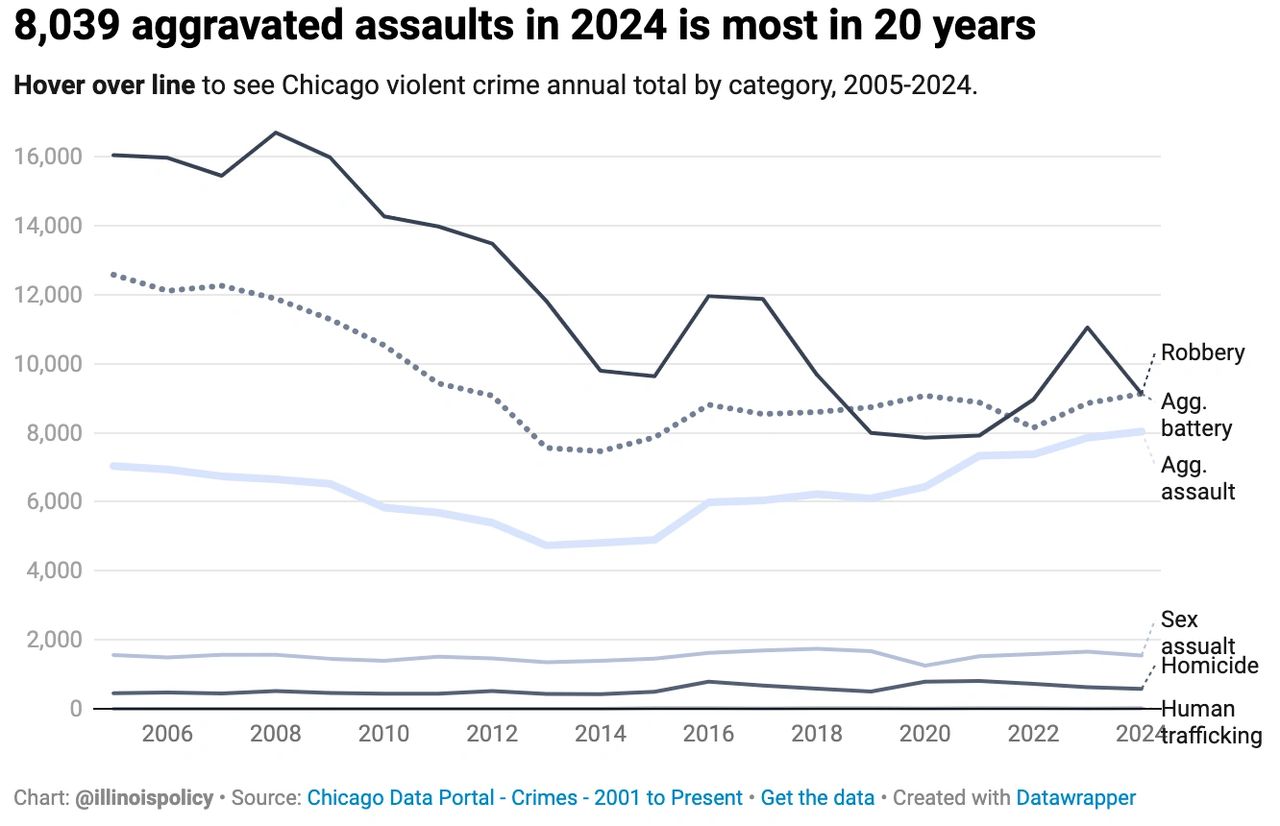
The National Immigration Law Center (NILC) posted on the same day of the hearing that a study found a “decrease in crime in cities and states that prioritize welcoming instead of targeting immigrants.” Looking at my home city of Chicago, crime keeps going down, even at a time when immigration has increased.
In 2025, Trump’s first day in office signed an Executive Order, called “PROTECTING THE AMERICAN PEOPLE AGAINST INVASION,” which, on its 17th section, calls for Sanctuary Jurisdictions to be punished until they get rid of the laws that make them sanctuary, or else they will not receive any federal funding. On April 24th, a judge ruled that it was unconstitutional.
Other related bills to look out for include 1) HR. 32 No Bailout for Sanctuary Cities Act; 2) HR. 205 No Congressional Funds for Sanctuary Cities Act; 3) HR. 1879 No Tax Breaks for Sanctuary Cities Act; 4) HR. 2056 District of Columbia Federal Immigration Compliance Act.
UPDATE APRIL 29TH
On April 28th, Trump signed a new Executive Order, called “Protecting American Communities from Criminal Aliens.” Under this order, any Sanctuary Jurisdictions will be stripped of any federal funding in 30 days. Additionally, this order will eliminate in-state tuition for undocumented and DACA students across the United States. Laws that help undocumented college students pay for college, for example, in Illinois, the Retention of Illinois Students & Equity (RISE) Act will be eliminated.
Anthony Sandoval is a research assistant with The Immigration Lab
Edited by Enresto Castañeda, Director of The Immigration Lab and Katheryn Olmos, Research Assistant
As of April 21, over 250 colleges and universities have identified more than 1,500 international students and recent graduates who have experienced a sudden change in their visa status. The exact number of students who have lost their F-1, J-1 visas, or their Optional Training (OPT) extension, however, is hard to track. Sometimes, the students are not immediately aware that their status has changed; universities are not informed if student visas have been revoked; and several universities have not been forthcoming about the exact number of students losing status.
THE PATH TO A US DEGREE
International students are some of the most vetted communities in the United States. Their journeys to American colleges and universities are long, arduous, and expensive. In addition to the enormous pressure to be the “best and brightest” in their respective nations, particularly to qualify for financial aid and/or scholarship, compared to their American counterparts, international students have to jump through additional hoops to enter the US. This involves submission of the visa application form, institutional certification (the college or the university of acceptances needs to be approved by SEVP Immigration and Customs Enforcement); proof of admissions and of full-time enrollment as a student; evidence of English language proficiency (the TOEFL exam, that has its own charges); extensive family financial information and banking documents); application fee payment for the Student and Exchange Visa form (SEVIS); the DS-160; a valid passport; evidence of permanent home residency; and evidence of economic resources and any financial aid they may be receiving in order to secure an interview date that may take weeks or months to schedule. Getting to the interview may be complicated if the Embassy is in a different city or country.
The interviews at the US embassy are relatively extensive procedures where vetting takes place in real-time. While USCIS officers are professionals, these interviews can be subjective – and acceptance and denial of an applicant may happen at the whims of an individual officer. Anecdotally, prospective students may be denied if they seem “suspicious,” assessed as “not likely to return to their home countries,” and even “for having family in the US.” Post 9/11, the US government has sub-contracted the visa application collection process to private security companies particularly in the Global South – this means that before the actual visa interview, prospective applicants have to submit all their paperwork to these companies – which involves another financial charge – before they are reviewed by USCIS officers.
If one is fortunate to have passed the interview step, international students are granted two things: a paper form connected to SEVIS (which determines whether a student can legally remain in the US once inside the country, and which is administered by the Department of Homeland [DHS] and used by the Immigration and Customs Enforcement (ICE) to monitor a student’s immigration record and identify individuals who may be in violation of their status) and the US F-1 (or similar) visa, which controls entry into the country and is granted by the State Department.
Once in the US, international students have to maintain their full-time student status, are not allowed to work more than 20 hours a week on campus, and cannot seek employment outside their respective campuses.
INTERNATIONAL STUDENTS IN THE US
For decades, the United States has remained the top destination for higher education. Boasting its Ivy League, fantastic STEM programs, well-renowned research centers and faculty, funding opportunities, competitive liberal arts colleges, and well-established public universities, education from the US is assumed to set an individual up for success. US academic institutions also have a global reputation as spaces of freedom of expression, where critical thinking is encouraged, and debates with peers and professors are fundamental to learning. Many of the students who are driven to come to US universities are not only attracted by the promise of a world-class education, but also by the opportunity to critique and analyze power without government surveillance and in an environment assumedly free of fear and censure. While many students do return to their home countries upon graduation, others choose to remain to pursue their graduate degrees, use the OPT to gain professional skills, or seek sponsorship for H1-B visas to continue working in their fields of specialization.
WHAT’S IN IT FOR THE US?
Higher education has not only been an unrivalled form of US soft power, but for decades it has been a reliable source of enormous revenue. First, the US has been able to benefit significantly from the talent pipeline of highly educated graduates in both STEM, the social sciences, humanities, and the arts. According to 2024 International Institute of Education (IIE) data, 56% of international students across academic levels have pursued STEM fields of study; one in four (25%) have studied math and computer science, while nearly one in five (19%) have studied engineering – within this pool, those who choose and can stay in the US are poised to be part of the community that continue to drive research and innovation forward. In 2024, Scott Weinhold, the then Senior Bureau Official for the State Department Bureau of Educational and Cultural Affairs stated, “The ties formed between U.S. and international students today are the basis of relationships for future business and trade, science and innovation, and government relations.”
There are over 1.1 million international students from 217 countries and territories, who combinedly comprise 6% of the total US higher education population. According to the Bureau of Economic Analysis, the education of international students has also been a reliable source of economic revenue, making it the country’s 10th-largest export. Last year, the economic contributions of international students totaled between $43.8 and over $50 billion – more than the value of U.S. telecommunications, computer, and information services exports combined. Their presence has also resulted in more than 378,175 jobs; i.e., for every three international students, one U.S. job was created.
Economic activities of international students in community colleges alone measured at $2.0 billion, and supported more than 8,400 jobs. Last year, 12 states broke the $1 billion mark as a result of international students generating 57 percent of the total dollar contribution to the U.S. economy, with California, New York, Massachusetts, Texas, and Illinois being the largest recipients of the economic gains. Furthermore, international students enrolled in U.S. colleges’ English language programs contributed $371.3 million and supported 2,691 jobs.
WHO ARE BEING TARGETED?
For a number of years, the majority of the international students in the US came from China, followed closely by India. Other countries of origin of many international students include Mexico, the Philippines, Canada, Colombia, Japan, Korea, Iran, Bangladesh, Pakistan, Ghana, Saudi Arabia, Nepal, Kenya, Italy, Spain, Nigeria, South Africa, and Ethiopia. In 2023-24, India became the country with the largest number of international students in the US, surpassing China with 331,602 students.
Given the large numbers of Indian and Chinese students in the US, the majority of those whose visas are being revoked and SEVIS cancelled are impacting Indian (50%) and Chinese (14%) nationals.
While not all universities have disclosed which nationals have been targeted, existing data shows that students from Bangladesh, Iran, Saudi Arabia, Mexico, South Korea, Colombia, Nepal, and Japan are also amongst the most impacted.
WHY IS THIS HAPPENING?
The pattern of whose visas and/or SEVIS are being cancelled is telling, pointing to the strategy as being part of a broader concerted effort to curtail immigration from the Global South in the name of “national security.” This means at the broadest level, the loss of legal status needs to be contextualized within the drag-net of multiple initiatives currently at play: increasing surveillance on migrants, suspension of US refugee resettlement; ending of temporary protected status (TPS) for populations such as the Afghans and efforts to end it for Venezuelans, Nicaraguans, and Haitians; cancellation of legal status of migrants who entered through the CBPOne app; detention; and efforts at ending birthright citizenship, and “mass expulsions” which have also resulted in the deportation of “non-white” individuals like Kilmar Abrego Garcia and the detention of 20-year old US citizen Juan Carlos Lopez-Gomez.
Tufts PhD student Rümeysa Öztürk, Columbia doctoral candidate Ranjani Srinivasan, and Cornell PhD student Momodou Taal, recently admitted to a PhD program Ohio State University Ahwar Sultan -all have one thing in common with legal permanent residents and Columbia students Mahmoud Khalil, Mohsen Mahdawi, and Yunseo Chung – they were either outspoken in writing and/or in student activism or, in the case of Ranjani, assumed to have a “pro-Palestinian” stance. Today, they are in detention and face the possibility of deportation (Rumeysa, Mahmoud, and Mohsen); have“self-deported” (Ranjani and Momodou under threat of ICE arrests); are in hiding from ICE (Yunseo); or have their visa revoked (Ahwar Sultan). In detention is also University of Alabama PhD student Alireza Doroudi, who has been arrested for “national security reasons” without any specified charges and whose lawyers have argued he has never participated in anti-government protests and did not violate any laws.
The politics around Palestine in the US and increasing silencing of academic freedom is at the heart of why international students and immigrants -mainly (although not only) from Muslim backgrounds – are being targeted with arrests, detentions, threats of deportation and possibly de-naturalization. Further evidence has been provided by the US administration itself. Secretary of State Marco Rubio has invoked the authority to penalize noncitizens for speech under two separate provisions of the 1952 Immigration and Nationality Act. Following Rümeysa’s chilling arrest, he further stated that the US was revoking visas to clamp down on pro-Palestinian students for writing op-eds, participating in “movements that are involved in doing things like vandalizing universities, harassing students, taking over buildings, creating a ruckus,” adding: “We do it every day, every time I find one of these lunatics.” The US State Department has also ordered consular offices to significantly expand their screening processes for new student visa applicants and requests for visa renewals through comprehensive social media investigations and exclude people they deem to support “terrorism” or hold “hostile attitude towards US citizens or US culture, including government institutions or founding principles.”
Chinese Students: Pawns in US-China Relations
For several years, there has been rising concern in conservative and Republican quarters regarding the presence of Chinese students in US colleges and universities. While many Chinese students and students from Hong Kong themselves are subjected to surveillance and harassment by Chinese authorities, they have also increasingly become pawns as tensions between the US and China have grown. Under the first Trump administration, during the trade war in late 2018, China expelled three Wall Street Journal reporters for a racially insensitive headline: “China Is the Real Sick Man of Asia” — a phrase that carries strong undertones of European colonial history in China. The US retaliated by limiting staff for five Chinese news organizations in the U.S, ending Hong Kong’s preferential trade status, and closing the Chinese Consulate in Houston, accusing it of espionage efforts. China then closed the American consulate in Chengdu. In 2018, then Senator Marco Rubio and FBI director Christopher Wray told a Senate panel that American academe is naïve about the intelligence and national security risks posed by Chinese students and scholars; Wray revisited these comments in 2022 regarding FBI investigations on the research connections between American universities and China. These accusations underlie the fact that Chinese students and scholars, particularly in the STEM field, have continued to come under scrutiny. In 2020, under the first Trump administration, more than 1,000 Chinese students had their visas revoked.
In 2025, there is a bill in the US Congress called the Stop CCP VISAs Act, aimed at halting the issuance of student visas to Chinese nationals looking to study at U.S. universities or take part in exchange programs. Furthermore, on March 19, the U.S. congressional committee on the Chinese Communist Party (CCP) sent a letter to Darryll Pines, President of the University of Maryland – College Park, requesting detailed information on Chinese students at the institution, citing that those enrolled in STEM programs, particularly in federally-funded research, constitute “national security risks.”
The Case of Minor Infractions
While Palestinian activism and tensions with China explain a significant number of visa revocations and SEVIS cancellations, many other international students are not aware of why they have suddenly lost their status. Emerging stories show that some of those who lost their status have had some type of minor infractions, where their fingerprints were taken by law enforcement during their residency in the US. Fingerprinting does not equate a criminal conviction and can be taken during arrests even if no charges are filed. In other words, any police detentions, non-arrest citations such as a traffic stop, fishing license violation, or other minor charges that were dismissed or dropped –none of which are deportable offenses – are now grounds for visa and/or SEVIS cancellations.
The American Association of University Professors (AAUP) has filed a lawsuit to block the Trump administration from carrying out large-scale arrests, detentions, and deportations of noncitizen students and faculty members who participate in protected First Amendment activities. More than 133 international students have also filed a lawsuit against the Trump administration. Thus far, a federal judge in Atlanta has issued a temporary restraining order (TRO) to prevent international students from having their visas revoked for a few weeks.
IMPACT OF SEVIS AND VISA CANCELLATIONS
Visa revocations mean that international students and, in some instances, their families are facing a legal limbo marked by confusion, anxiety, and fear. Losing status may mean, in some cases, that students are no longer able to continue with classes, graduate, or continue to work through the OPT program, which in turn translates immediately to a loss in income. Traditionally, the expiration of an exchange visitor visa does not mean a person is immediately considered to be in the country illegally. However, a number of students have received emails from DHS that they need to “self-deport” within seven days of their visa revocations or get arrested. The legality of such communications is still in question. Nonetheless, the fear of ICE arrests and detention is stalking many students, many of whom may not have the immediate means to purchase tickets to return to their countries of birth. Furthermore, being forced back to their countries of origin upon threat of deportation signals for many a bleak immediate future. In cases of PhD candidates such as Suguru Onda and Xiaotian Liu (whose visas were re-instated after their revocation), Ranjani Srinivasan, Momodou Taal and others who have been working for years on their research, SEVIS cancellations and visa revocations may mean they will not be able to receive their doctoral degrees.
The US too will be impacted by this ongoing attack on international students. Not only are campuses being disrupted by the loss of students in the classroom, but the American economy and society will not be able to benefit from the current and future contributions of these students if they are forced to leave the country.
In recent years, higher education has become a more competitive market, where US dominance has increasingly been challenged. Facing the rising costs of a US degree, complex, time-consuming, and expensive visa application processes, increasing scrutiny, and the risk of being caught up in US geopolitical tensions, international students have started turning to other countries for higher education. In recent years, Scandinavian countries such as Norway and Sweden have been accepting international students in larger numbers. Outside of Europe, China now has several prestigious universities, including in STEM, that are attracting Chinese students as well as students from the rest of Asia and Africa. Japan, Singapore, Hong Kong, Malaysia, and Korea now boast more affordable and rigorous university degrees, some of which also attract American students. In specialized fields such as medicine and engineering, India and Bangladesh are also attracting Asian and African students.
WHAT CAN US UNIVERSITIES DO?
Universities have a responsibility to protect both academic freedom and their students, staff, and faculty, both of which are at the heart of higher education. In this moment of crisis, in addition to protecting under-represented minorities, DACA recipients, undocumented students, transgender students and members of the LGBTQ+ community, they have a responsibility to protect international students and students with permanent residency, those who have been outspoken on humanitarian issues, and protect all students’ right to freedom of expression.
Universities should not release any records or personal data upon request unless the request is supported by a signed judicial warrant as required by law. They should make every effort to de-escalate a situation concerning a student where violence is not involved. Finally, given the level of uncertainty and anxiety facing international students and all other students with different citizenship status, it is incumbent on all faculty and higher ed community members to continue to respond to international students and vulnerable communities with the ethos of care and compassion as higher ed navigates these turbulent waters.
As of April 25th, the Trump administration has restored thousands of student visas that have been terminated
Tazreena Sajjad teaches at the School of International Service at American University and is a member of The Immigration Lab.
Anti-immigrant sentiment has been a salient theme in both American political and social discourse. Nativism enjoys periodic spikes in popularity. Legislation such as the draconian Immigration Act of 1924 dot the immigration policy landscape. One hundred years later, we find ourselves in an eerily similar position.
A successful political party, movement, or organization must have clear messaging in order to garner public support. Republicans have incarnated themselves as the party of contemporary nativism. This has resulted in a shift rightward regarding public discourse on immigration. Some Democrats have followed suit, with for example, some candidates supporting border wall construction as elections drew nearer.
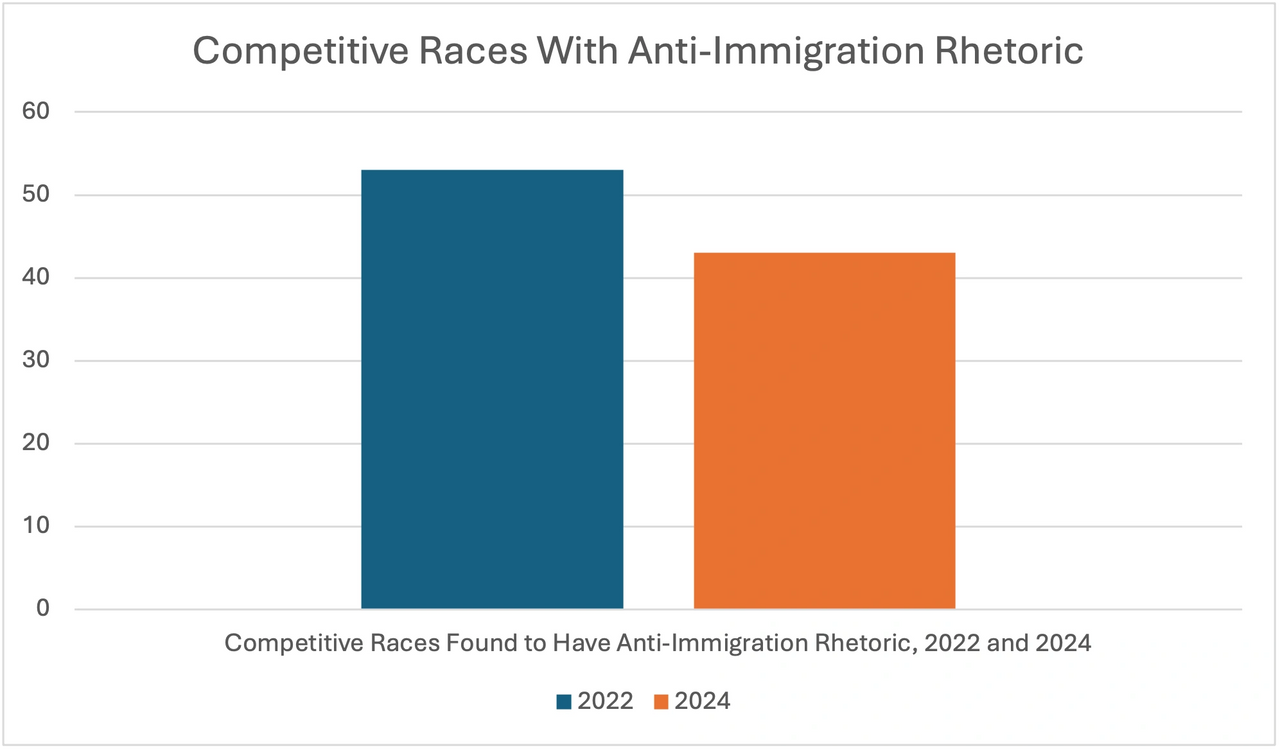
In 2022, there were 77 competitive races (where either party won by less than 10%). In 2022, there were 53 campaigns with anti-immigrant rhetoric in their official materials (campaign websites, social media posts, and TV and YouTube ads). In 2024, there were also 77 competitive elections, with 43 having anti-immigrant rhetoric in their campaign materials. So, anti-immigrant discourse as a main campaign issue dropped from 69% to 56% among Republican candidates in competitive races (see Figure 1).
Figure 1. “Anti-Immigration Rhetoric in Republican Campaigns in Competitive Races”
In 2024, campaigns that employed anti-immigrant rhetoric had a win-loss ratio similar to 2022.
The presence of anti-immigrant sentiment among Republican campaigns fell from 2022 to 2024. While such rhetoric flourished in Trump’s presidential campaign, it was less present in House, Senate, and gubernatorial races. When anti-immigrant rhetoric was present, it ended in failure more often than victory. From this, we could deduce that people are less concerned about immigrants in their communities. Instead, they seem to be more concerned about border security and immigration on the national scale.
Figure 2, “Republicans Who Used Anti-Immigration Rhetoric with Election Results, 2022 and 2024”
In 2024, the Republican message emphasized migration as a security issue, rather than an economic or humanitarian one, arguing that immigration should be treated with the same urgency as any other potential foreign enemy. Migration is framed as a security issue through negative rhetoric surrounding the supposed criminality of migrants, such as the newly coined term “migrant crime,” used extensively by Republicans on the campaign trail. This term is a clear attempt to predetermine the culpability of migrants coming into the US and frame them as criminals, or even as invaders and terrorists, though not so much in competitive races.
Many Republican campaigns may disguise nativist sentiments under the guise of national security concerns. Border security narratives help reinforce anti-immigrant ideas that historically portray migrants, especially Latinos, as criminals or invaders. This ambiguous messaging may explain why many Trump voters did not believe he would legitimately carry out many of his campaign promises regarding mass deportations.
Republican parties promote border security and anti-immigrant discourse from the top down, reducing the need for individual House candidates to explicitly state their views towards immigration. With border securitization becoming a mainstream policy promoted by figureheads on both sides, down-ballot candidates can avoid directly addressing issues like immigration and border walls in their campaigns. By aiming to associate immigration with national defense, the “border crisis” is fabricated to be an existential threat. Oftentimes incendiary rhetoric is used to obfuscate what is real from unreal.
We identify a pattern across the Republican tickets, where candidates with military backgrounds tend to use anti-immigrant rhetoric justified by their experience in the military as evidence for their security concerns (Jay Furman TX–28, Laurie Buckhout NC–1, Mike Garcia CA-27). Evidently, using the facilities at Guantanamo Bay to house migrants reinforces the misconception many Republican candidates echo in their campaigns that migrants are security threats. This also contributes to why top party members, such as Ted Cruz and Donald Trump, used exceptionally strong anti-immigrant rhetoric to make down-ballot candidates more acceptable and mainstream where necessary, while maintaining the same broader party message.
For moral, ethical, and strategic reasons, Democrats should speak openly against anti-immigrant rhetoric. The threat of anti-immigrant rhetoric itself is a real threat, but data shows that the average American voter tends to be indifferent or in favor of immigration, especially at the local and state levels. The political mechanisms that produce this rhetoric have a firm grip on the mediascape that influences national elections, but when it comes to their own communities, voters trust their own eyes and lived experiences about how the immigrants they know are not that much different from themselves.
Joseph Fournier and Bennett Donnelly are Research Assistants at the Immigration Lab. Ernesto Castañeda, PhD is the Director of the Immigration Lab at American University.
In a world where less than 1% of refugees are ever permanently resettled, the United States has chosen to suspend all refugee admissions indefinitely. The Trump Administration has ordered significant changes to the U.S. refugee resettlement apparatus. The fallout from these executive actions has caused significant turmoil for resettlement agencies and the populations they serve.
The United States Refugee Admissions Program (USRAP) was established in 1980. Since then, including through wartime and the COVID-19 pandemic, the United States has accepted refugees in the wake of international crises and suffering, without fail. That is, until President Trump’s Executive Order “Realigning the United States Refugee Admissions Program.” Asserting that the United States has been “inundated” by immigrants and refugees, the Executive Order issued a 90-day pause on all refugee arrivals. This pause has now been extended to an indefinite suspension of arrivals.
In the wake of this Executive Order, flights with vetted refugees chosen to be resettled in the United States were canceled, lifelines were abruptly severed, and families were left separated.
The suspension of USRAP marks a stark juxtaposition not only to the approval designation of 125,000 refugee admissions in 2024 under the Biden Administration but also to the 15,000 approved refugee admissions under Trump’s final year in his first term. The USRAP is a pathway towards safety and stability for families facing persecution and a sometimes decades-long backlog to receive permanent resettlement.
Ahead of the suspension, 22,000 refugees were “approved for departure” and awaiting their flight to the United States. Refugees with this designation only have a certain amount of time to travel to the United States before they must restart the screening process, which often takes years to complete. These thousands of individuals fleeing violence and turmoil are watching their opportunity for resettlement slip away.
Another sweeping action affecting refugee resettlement in the United States is the January 24th Stop Work Order to programs funded through foreign assistance. While refugee resettlement operates in the United States, much of its international apparatus and funding are tied to foreign aid— namely, the funding that supports refugees in their first 90 days post-arrival. This period in refugee resettlement is called Reception & Placement (R&P).
R&P funding supports early-resettlement needs, including rental assistance, cultural orientation, and case management. It also subsidizes the salary of refugee staff. Since the Stop Work Order was issued, resettlement agencies could not incur new costs for services under the R&P period. Mass layoffs have become commonplace across U.S. resettlement agencies.
With the indefinite pause of USRAP, the R&P program in the U.S. became obsolete on April 20, as all admitted refugees hit the 90-day mark. However, the consequences of this funding loss will continue far beyond. There is legitimate concern across U.S. resettlement agencies because many refugee clients face housing insecurity and uncertainty surrounding the continuation of benefits like SNAP (food stamps) and Medicaid.
The actions of the Trump Administration have devastated refugee resettlement. The program’s international infrastructure is currently being dismantled, which, in turn, curtails the possibility of the program’s revival under current or future administrations. On February 26th, President Trump terminated contracts with major U.S. resettlement agencies, marking an attempt to end federal support of refugee resettlement definitively.
The future of refugee resettlement in the United States hangs in the balance of court cases like Pacito v. Trump, which are fighting for the return of both refugee resettlement funding and infrastructure. Through two separate rulings from a Washington District Court, U.S. District Judge Jamal Whitehead enjoined the Trump administration’s suspension of refugee admissions and termination of resettlement agency contracts. No tangible change has resulted from these rulings as the appeals process continues. Judge Whitehead’s Order has been appealed to the Ninth Circuit Court of Appeals.
The future of the program is uncertain, but the pain caused to specific refugees and the weakening of refugee resettlement worldwide are clear.
Reilly Phelan is a Research Assistant for the Immigration Lab. A 2024 American University’s School of International Service graduate, she now works in refugee resettlement.
Edited by Enresto Castañeda, Director of The Immigration Lab
The failure of Ecuador’s Yasuní-ITT Initiative in 2013—an internationally recognized proposal to leave oil in the ground in exchange for global compensation—sparked a nationwide civic response. Civil society actors mobilized not only to oppose oil drilling in Yasuní National Park but to redefine what environmental governance could look like in Ecuador’s constitutional context.
Indigenous federations condemned threats to ancestral territory and the rights of uncontacted peoples. Environmental organizations cited Yasuní’s status as one of the most biodiverse regions on Earth. Youth activists framed the issue around climate justice and generational rights. Meanwhile, oil producing communities, local governments and the state oil company defended drilling as a source of critical state revenue and social investment.
In this context, YASunidos was born. Formed in 2013 by a coalition of artists, students, lawyers, environmentalists, and Indigenous youth. YASunidos set out to trigger a national referendum to halt extraction in Block 43. By early 2014 it collected over 756,000 signatures—well above the legal threshold. Yet Ecuador’s National Electoral Council invalidated more than half on technical grounds, effectively blocking the referendum.
Over the next decade, YASunidos evolved. Faced with institutional barriers, the group pursued a multi-pronged strategy: legal challenges in domestic and international courts, cultural campaigns, public education, and transnational alliances. Their demands were anchored in Ecuador’s 2008 Constitution, which enshrines both the Rights of Nature and participatory democracy, a globally unique legal foundation that positioned extraction in Yasuní not only as an environmental threat but as a constitutional violation.
Crucially, YASunidos helped keep the issue in the national spotlight. Even when the media cycle moved on or administrations changed, they maintained public pressure. Through sustained outreach and alliances with indigenous federations, human rights defenders, and global environmental networks, the group broadened its message and constituency. Rather than frame Yasuní as a niche ecological issue, they positioned it as a symbol of the country’s democratic and development crossroads.
That civic pressure paid off. In May 2023, Ecuador’s Constitutional Court approved a binding referendum on oil drilling in Block 43. On August 20, nearly 60 percent of Ecuadorian voters opted to halt extraction, which marked the first time a national electorate democratically voted to leave oil in the ground. The result was globally unprecedented, representing a major step in participatory environmental governance.
Still, the vote revealed important nuances. In oil-producing provinces like Orellana and Sucumbíos, where jobs and infrastructure depend on extraction, a majority voted to continue drilling. These regional differences underscored a key tension: while many voters perceived few benefits from extractive activity despite its costs, others remain economically dependent on it. Civil society’s challenge was—and remains—to articulate a just transition that resonates across these divides.
Following the vote, the Ministry of Energy announced plans to decommission the Ishpingo B-56 well, beginning a phased shutdown of Block 43. The court-mandated timeline requires full dismantling within one year, though the Energy Ministry estimates the process will take five years and cost over $1.3 billion. Whether the state follows through remains uncertain, which makes the ongoing need for civil society oversight critical.
The Yasuní case shows how civil society can do more than resist. It can reshape national debates. YASunidos didn’t just oppose drilling; the coalition reframed it as a matter of constitutionality and democratic participation. By grounding its message in Ecuador’s legal framework and sustaining civic pressure over time, it turned an aborted referendum into a test of the country’s democratic and legal architecture.
The coalition’s success also underscores the value of adaptability. When formal avenues were blocked, YASunidos shifted tactics. They combined litigation, media, and grassroots organizing, without losing focus. Few civic movements sustain relevance over a decade, let alone drive constitutional interpretation and national decision-making. YASunidos did both.
Finally, the decade-long social discourse around Yasuní demonstrates that public debate matters. It was not just a legal battle, but a cultural and moral one about how Ecuador defines development and whose voices count. The 2023 referendum wasn’t the end of that conversation, but a civic milestone in a much longer struggle.
As Ecuador begins to implement the results of the referendum, civil society remains a critical force not only in holding the government accountable but in imagining and advancing alternatives that confront the complex realities on the ground. In many oil-producing regions, communities have received some benefits—such as jobs or infrastructure—but have also shouldered the heaviest environmental and health burdens. The perceived gains have often been limited, unevenly distributed, and insufficient to justify the long-term damage. YASunidos demonstrated that civic engagement can do more than just oppose extractivism. It can defend rights, reframe national debates, and build lasting democratic momentum.
Edgar Aguilar is a Researcher at the Center for Latin American and Latino Studies and a graduate student in International Economics at American University
Edited by Rob Albro, Associate Director, Research, at the Center for Latin American and Latino Studies
*This post continues an ongoing series, as part of CLALS’s Ecuador Initiative, examining the country’s economic, governance, security, and societal challenges, made possible with generous support from Dr. Maria Donoso Clark, CAS/PhD ’91.






 AULA Blog