Can Peru’s Democracy Recover?

By Cynthia McClintock*

Photographs from the early hours of the Generation Z protest in Peru, 2025
(Source: Wikimedia Commons)

Since 2021, democratic backsliding has been severe in Peru, and Peruvians are furious. Peru’s Congress is loathed. In 2025, the approval rating for Peru’s President, Dina Boluarte, fell below 3 percent and she became the most unpopular president on the planet. Finally, in October, Boluarte was impeached on the grounds of “permanent moral incapacity”; it was the fifth time since 2018 that a president had been impeached or had resigned upon imminent impeachment.  Per Peru’s constitution, Boluarte was succeeded by the Congress Speaker, José Jerí. Presidential and Congressional elections are scheduled for early 2026.

Why are Peruvians so angry? What does their anger mean for the 2026 elections (with the Congressional elections and the first round of the presidential elections scheduled for April 12 and a likely runoff on June 7)? Is it possible that the elections can lead to a democratic recovery?

Why are Peruvians So Angry?

The key reason is not “the economy stupid,” but an escalation of organized crime and the perception that Peru’s political leaders are part of the problem rather than part of the solution.

Between 2019 and 2024 the number of homicides doubled and the number of reported extortions jumped sixfold. Extortion is hurting huge swathes of lower-middle class Peruvians. Transport workers have been particularly vulnerable; so far in 2025, approximately 50 bus drivers have been killed for refusing to make extortion payments.

The reasons behind the crime escalation are various. Demand for cocaine remains high and, over the last decade, Peru’s coca cultivation has increased. As the price for gold jumped, so did illegal gold mining. Peru’s gangs are fragmented—and therefore hard to track—and they have developed nefarious new strategies such as using WhatsApp for extortion.

But, Peruvians believe, the reasons also include the government’s complicity. In part because illicit operators have provided campaign finance, in 2024 approximately half of Peru’s legislators were under criminal investigation; these same legislators have passed laws to impede investigations and prosecutions. Boluarte herself is under investigation for various crimes, including illicit enrichment. She sported a Rolex watch priced at $19,000, despite no evident financial means for such extravagance.

Further, from the start large percentages of Peruvians did not deem Boluarte a legitimate president. In 2021-2022, Boluarte was Vice President under President Pedro Castillo. Leading a far-left party in fraught elections during COVID, Castillo was an accidental, unprepared president. He was virulently opposed by the dominant right-wing forces in Congress, in particular Fuerza Popular, the party of Keiko Fujimori, the daughter of former authoritarian President Alberto Fujimori. As Vice President, Boluarte had said that, if Castillo were impeached, she too would resign, triggering new elections. However, in the event of Castillo’s December 2022 impeachment, Boluarte stayed on, despite massive protests and ubiquitous calls for new elections.

As President, Boluarte appeared indifferent to Peruvians’ concerns. Between December 2022 and February 2023, 49 civilian protesters were killed by the security forces. Boluarte’s response was support for an amnesty law. And, amid an October 2025 transport workers’ strike, Boluarte’s advice to Peruvians worried about crime was that they should not open text messages from unfamiliar people—placing blame for crimes on the victims.

What Does Peruvians’ Anger Mean for the 2026 Elections?

Peruvians’ anger spells difficulties for its incumbent parties and advantages for parties that can claim an “outsider” mantle. Fujimori’s Fuerza Popular is widely considered the dominant party in the Congress, and it will struggle against this perception. Its presidential candidate, Fujimori, is running for the fourth time and is likely to have worn out her welcome.

Not surprisingly, demands for an “iron fist” against crime are strong. The current presidential frontrunner is Renovación Popular’s Rafael López Aliaga (aka “Porky”), a Trump-like far-rightist who placed third in the 2021 election and was subsequently elected Lima’s mayor. López Aliaga promises a hardline strategy against organized crime, including implementing similar imprisonment policies to those of El Salvador’s Nayib Bukele. But Renovación Popular holds the fourth largest number of seats in Congress and it will be difficult for López Aliaga to claim an “outsider” mantle.

A candidate likely to claim an “outsider” mantle is Mario Vizcarra, running as a proxy for his brother, former President Martín Vizcarra. As President in 2018-2020, Vizcarra confronted the dominant parties in Peru’s Congress, building his popularity but ultimately catalyzing his impeachment. After a strong showing in Peru’s 2021 legislative elections, he was disqualified from holding elected office for ten years. Yet, Vizcarra’s government was far from without fault. There are other candidates, including the popular former clown, Carlos Álvarez, who could seize the “outsider” mantle.

Can Peru’s 2026 Elections Lead to Democratic Recovery?

The challenges to Peru’s elections are serious. In recent years Fuerza Popular and other illiberal parties in Peru’s Congress have allied to skew the electoral playing field in their favor.  Interim President Jerí is, of course, new to his position and his possible impact on the elections is unclear. (His first-month record was better than was first expected.)

As elsewhere in Latin America, Peru’s illiberal parties have strategized to achieve the disqualification of viable candidates. As indicated, this strategy is currently being used against Vizcarra; it could also be used against a rising new candidate.

Peru’s illiberal parties have calculated that a plethora of candidates is in their interest. Currently, 39 party lists are registered. Such a head-spinning number is problematic for journalists trying to cover the campaign and problematic for voters trying to identify their preferred candidate, especially because pre-election polls are more likely to be inaccurate. Yet, Peru’s Congress cancelled a provision for a preliminary round of voting, in which parties would have been required to secure 1.5 percent of the vote in order to qualify for the “first round.”

Still, there are grounds for optimism. The massive protests of recent years have shown that Peruvians want their political views heard. Peruvians recognize the importance of honest, capable leadership and want to find it.

*Cynthia McClintock is Professor of Political Science and International Affairs at George Washington University.

Why MS-13, M-18, and Tren de Aragua Are Not Terrorist Groups

by Melissa Vasquez, Ernesto Castañeda, and Anthony Fontes

Image of President Trump of the United States and President Bukele of El Salvador meeting, White House, Sep 25 2019, Fliker

Are MS-13, M-18, and Tren de Aragua terrorist organizations? The short answer is no, they are not. They are transnational criminal organizations. El Salvador’s President Bukele and Donald Trump have officially labeled these groups as terrorist organizations, citing their extreme violence and control over some territories. However, these classifications have sparked debate, as their activities are more aligned with organized crime than political terrorism. Making this distinction is crucial given that mislabeling them can lead to misguided policies that fail at curbing their violence.

The 1980s civil wars in Central America forced nearly a million people to flee the U.S. Some immigrants are still forced to leave their countries because of organized crime and gang recruitment. Today most often, some displaced people are victims of gangs, not members or representatives abroad. However, upon originally arriving in Los Angeles, many Central American migrants faced marginalization and sought protection from the gangs present in the areas where they lived and worked. These challenges ultimately contributed to the formation of the present-day MS-13 and M-18 gangs. Many of the members of these new local gangs were incarcerated in Los Angeles prisons alongside members of other gangs, which allowed them to regroup and learn from their rivals. Shortly after the wars, mass deportations from prisons and streets sent MS-13 and M-18 members back to a weakened Central America, where they expanded their networks and influence. 

Similarly, El Tren de Aragua (TdR), which originated in the early 2000s in Venezuelan prisons—particularly the Tocorón prison—has expanded across South America. Originally, a prison gang, Tren de Aragua, expanded beyond prison walls to exploit weak governance, connecting criminal networks across South and North America. Furthermore, like MS-13 and M-18, Tren de Aragua is driven by criminal enterprising rather than political ideology. That is, neither group aims to take over state power or remake society in their own image. Rather, they are hyper-focused on generating maximum profits through illicit means while avoiding state interference. They are criminal syndicates with some capacity—though quite limited—to carry out their rackets across borders. They are certainly NOT terrorist entities. 

What separates a terrorist organization from a criminal syndicate? While both engage in illicit activities and use violence as a means to an end, it is crucial to distinguish their goals and methods to dismantle them effectively. The primary difference lies in their objectives: terrorist organizations seek political, religious, or ideological change by influencing government policies or societal structures, whereas transnational criminal organizations (TCOs) operate across borders solely for financial gain, without political or ideological motives beyond sowing conditions to maximize profit. 

For example, the U.S. government has classified groups like Revolutionary Armed Forces of Colombia (FARC) and ISIS as terrorist organizations due to their political objectives. FARCS’s history dates back to 1964 when it emerged as a communist insurgency that employed terrorist tactics. Initially formed as a guerilla movement from campesino self-defense groups, whose primary objective was to overthrow the Colombian government. Over the next five decades, FARC waged guerilla warfare by carrying out illicit activities—such as bombing, kidnappings, and assassinations–all in an effort to challenge state authority. Colombia, the U.S., and the European Union designated FARC as a terrorist organization due to their use of political violence.

However, the 2016 peace accords between FARC and the Colombian government led to the successful disarmament. This agreement allowed the group to transition into a political party known as Comunes. Even though some dissident factions still operate, FARC’s official transformation has been a key factor in maintaining long-term stability in Colombia. Recognizing this shift has been crucial in fostering peace and ensuring that former combatants can engage in democratic processes rather than armed conflict.

The contrast between ISIS and FARC highlights the importance of proper classification. FARC has abandoned the characteristics that once classified it as a terrorist organization and instead has evolved into a political entity. ISIS, on the other hand, remains committed to its extremist and political ideology, seeking to overthrow governments through guerrilla warfare and establish a global Islamic caliphate through territorial control and sectarian violence. Addressing the causes behind these organizations is equally crucial. FARC’s transition has allowed Colombia to tackle the drivers that led to its rise in the first place, providing the foundation for long-term stability. When governments misdiagnose the factors driving their emergence, violence continues.

Despite claims that Tren de Aragua serves the Maduro regime, evidence suggests otherwise. The group arose from Venezuela’s weak governance and not from direct state sponsorship. According to Insight Crime, in September 2023, Venezuelan law enforcement raided the Tocorón prison in Aragua state, aiming to “dismantle and put an end to organized crime gangs and other criminal networks operating from the Tocorón Penitentiary.” This operation demonstrates that Tren de Aragua is not a state-sponsored group, nor is it a tool being used by the Venezuelan state to destabilize the region. Its rise—like that of MS-13 and M-18—can be traced back to systemic failures, including poverty, corruption, and forced population displacement. These factors have allowed transnational criminal organizations to flourish across Latin America. 

MS-13 and M-18 expanded by exploiting political corruption and institutional weakness in their home countries. Similarly, Tren de Aragua has taken advantage of Venezuela’s economic crises and large emigration to expand into new territories, such as the Darién Gap. Unlike terrorist organizations, these gangs did not emerge to push a political ideology; rather, they have thrived by leveraging corruption and weak law enforcement. In many ways, they are products of the environments that fostered them, growing out of instability rather than ideological ambition.  These transnational criminal groups do not engage in violent attacks abroad, targeting governments or aiming to take political power in the United States. That is beyond their purview and capabilities. 

Why does the distinction between organized crime and terrorist organizations matter? Although all of these organizations engage in violence and illicit activities, their end goals set them apart: MS-13, M-18, and Tren de Aragua operate for profit, whereas ISIS and others seek to reshape the political landscape of their regions. Properly distinguishing between terrorist organizations and transnational criminal organizations like MS-13, M-18, and Tren de Aragua is crucial for drafting effective policies and responses to their violence. Mislabeling these groups can lead to inappropriate responses. Applying counterterrorism measures to profit-driven gangs fails to address the root causes for their expansion in the first place. Failing to properly distinguish organized crime from political terrorists leads to failed policies. The misclassification of these groups could destabilize the region by shifting U.S. foreign policy and resources away from where it is truly needed—addressing the drivers of gang-related violence, corruption, and weak governance—toward counterterrorism efforts. 

While transnational criminal organizations are heavily involved in drug trafficking, and their violence may create fear among civilians and impact governance, this does not qualify them as terrorist organizations. Their primary objective is financial gain, not advancing an ideological or political agenda. This distinction matters because government responses shape outcomes. If the goal is to curb migration, drug trafficking, or violence, then we need to stop treating criminal organizations like terrorist groups and start addressing the real issues driving their expansion. If the U.S. truly wants to curb migration and secure the southern border, then it must ensure that its classification of these organizations is accurate and aligned with its actual objectives.

Melissa Vasquez is a Graduate Student in the International Affairs and Policy Analysis program at American University and an Intern at the Immigrant Lab.

Ernesto Castañeda is the Director of the Immigration Lab and the Center for Latin American and Latino Studies and a Professor at American University

Anthony Fontes is an Associate Professor and ethnographer at American University’s School of International Service.

This piece can be reproduced completely or partially with proper attribution to its author.

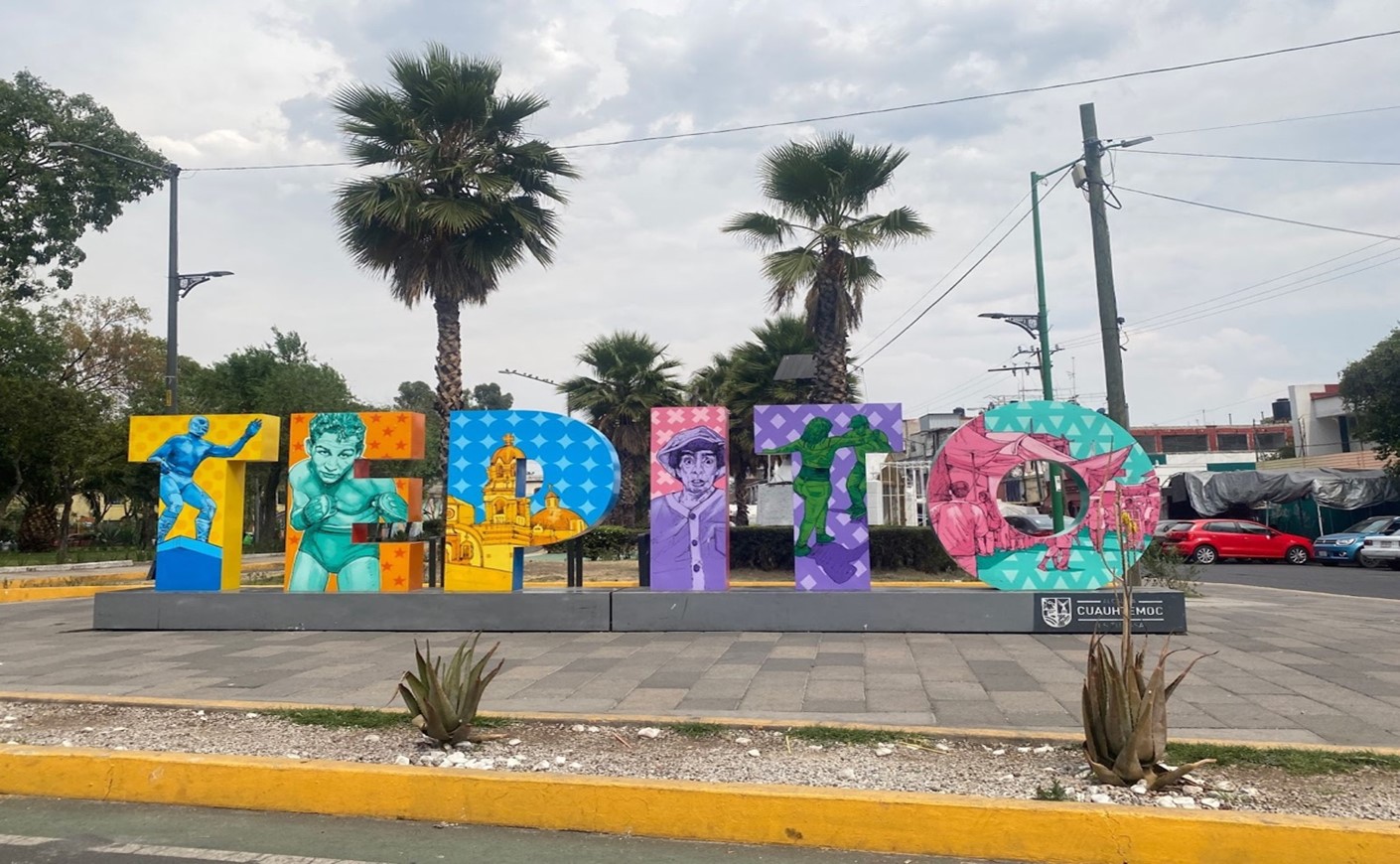
Are Digital Nomads Bringing Security to Tepito?

By Sofia Guerra

Creative Commons Licenses

Abstract:

Mexico City has seen a rise in digital nomads, individuals who work remotely while exploring low-cost international destinations. Sofia Guerra, along with a colleague, conducted fieldwork during the summer of 2024 to study this phenomenon. One finding showcased a significant increase in tourism in Tepito, one of Mexico City’s most dangerous neighborhoods. There has been an attempt to rebrand it as ‘Reforma Norte’ to mitigate its notorious reputation. Despite these efforts, Tepito residents report little to no improvement in the safety of the area, which remains heavily associated with crime and gang activity. Digital nomads generally avoid living in Tepito, visiting only its markets with local guides during the day.

Mexico City has experienced a notable increase in the number of digital nomads from around the globe. Digital nomads are individuals who can work remotely, using their flexibility to explore and reside in different countries. This lifestyle allows them to earn a living while working away from their home base. Typically, they choose destinations with a lower cost of living compared to their hometowns, which results in them earning in one currency and spending in another. This constructs economic growth by attracting investment in the area but raises local prices.

I have been studying this social phenomenon through research conducted with my colleague Montse Hernandez by interviewing locals and digital nomads to gather data. One theme that impressed us the most was that, due to gentrification, Tepito—a neighborhood known as one of the six most dangerous barrios in Mexico—is now becoming an intriguing destination for digital nomads. One of our participants even claimed that tourism led to increased security in the area. 

Being born and raised in Mexico City and always hearing about the crime surrounding Tepito, made this theme catch my attention and I decided to explore it further. Kristýna Omastová, conducted research to understand Tepito’s transformation from the 1960s to the present day. She describes how Tepito, initially known for its informal commerce, evolved into a major drug distribution hub in the heart of Mexico City. With the rise of the informal economy and growing demand for illegal goods, Tepito solidified its reputation as a place where illicit products were easily accessible. Tepito became a key center for drug distribution, and violence peaked and fell under gang control. To this day, remains a hub for drug trafficking operations, dominated by gangs like “La Unión Tepito,” which control not only the drug trade, but also other illegal activities such as extortion, kidnapping, and theft. 

So, why has Tepito become a target for digital nomads? The real estate company Grupo UBK launched a new remarketing campaign for the area, driven by the rising demand for apartments in Mexico City. Tepito is being promoted as an affordable investment opportunity, making the rent prices in the area rise. A rebranding effort has emerged, and it involves renaming it ‘Reforma Norte’ to mitigate its reputation for insecurity. It’s important to note that the buildings are not located in the heart of Tepito, but rather on the outside of the neighborhood. Some locals don’t even know that the area is now being called Reforma Norte and believe that the promotion of Reform Norte will not change or affect the prices of the heart of Tepito, although they have seen an increase in foreign-born visitors in some of the busiest market areas. This showcases that the marketing strategy has digital nomads as their target, therefore causing an increase in tourists in that area.

Although there has been an increase in foreign-born visitors in Tepito, the area is still known for delinquency, drug trafficking, and informal commerce. Digital nomads are mostly living in safer neighborhoods such as Condesa, Roma, Polanco, and Juárez. In Tepito, tourists often visit for the day and go to the markets in the heart of the barrio, usually accompanied by a tour guide or locals who know the area. This suggests that the rebranding strategy by the real estate company has led them to believe that Tepito is becoming safer, although locals from Tepito themselves do not perceive any significant changes in the Barrio Bravo safety.

Sofia Guerra is a sociology graduate student at American University. She is a research assistant at the Immigration Lab and Center of Latin American and Latino Studies at American University. She has conducted research on migration, gender studies, and the bilateral relationship between Mexico and the United States. She has an interest in policy-making, migration studies, criminology, and academia. She currently working on her research regarding migration and interpersonal violence.

Argentina: Joining the BRICS?

By Andrés Serbin*

Japan’s Prime Minister Fumio Kishida, Canada’s Prime Minister Justin Trudeau, U.S. President Joe Biden, Germany’s Chancellor Olaf Scholz, former British Prime Minister Boris Johnson, France’s President Emmanuel Macron, and Italy’s Prime Minister Mario Draghi pose for a G7 leaders’ photograph during a NATO summit at the alliance’s headquarters in Brussels on March 24, 2022 / Michael Kappaler / Flickr / Creative Commons license

The BRICS countries’ efforts to expand the group’s influence in the Global South is giving momentum to Argentina’s bid for membership, but the timeline and outcome of the admission process is far from certain. During a virtual summit hosted by Beijing in June, the BRICS – Brazil, Russia, India, China, and South Africa – continued efforts to revitalize the group and follow up on expansion proposals initially agreed to in 2017.

  • Conceived as an alternative to the G7 when launched in 2009, the BRICS represent 42 percent of the planet’s population, 24 percent of world GDP, and more than 16 percent of global growth, according to 2019 World Bank estimates. Each member plays a significantly different role in international affairs, but the group is moving in a unified fashion to position themselves as a decisive factor in the global governance architecture and as a voice of the “Global South” that advocates an economic and political alternative for emerging economies. Brazilian analyst Oliver Stuenkel notes that the five “share a profound skepticism of the U.S. international liberal order and perceived danger that unipolarity represents to their interests.”
  • The June summit reviewed initiatives to increase economic cooperation and development, promote multilateralism and world peace, and create a vaccine research and development center. As a reaction to Western economic sanctions, Russia proposed the development of a “de-dollarized” financial space for trade between the group’s economies – a proposal already introduced in the discussions of the Shanghai Cooperation Organization, the main Eurasian cooperation institution. The group also took up China’s 2017 proposal for a “BRICS Plus” – expansion to incorporate new members of the Global South, including Argentina.

The Argentina proposal faces obstacles within the BRICS even though Russia, China, and India (whose foreign minister visited Buenos Aires last week) support it and Celso Amorim, former and likely future foreign minister if Brazilian President Lula da Silva is reelected, has said Brazil will support as well.

  • Political and geopolitical challenges within the group include differences in how members relate to the international liberal order. Ties to the West vary from Russia’s more belligerent position to China’s more cautious one and India’s ambiguity. There are marked differences in their foreign policies that potential new members could aggravate.
  • Members also have different viewpoints on whether to incorporate regional integration blocs such MERCOSUR, whose own heterogeneities, tensions, and conflicts can hinder the expansion process and bloc effectiveness. At a MERCOSUR Summit in July, key leaders’ absences and a divisive debate about the signing of an FTA between Uruguay and China revealed differences. While Paraguay keeps diplomatic relations with Taiwan, the other three full members of the group have close diplomatic and economic ties with the PRC.

Argentina’s application has also given rise to divided views and opinions in the country itself. Despite the fact that all sectors of the ruling coalition can be considered “Peronists,” the current government has pursued an erratic and at times contradictory foreign policy, including conflicting positions regarding international relations, alignments, and alliances. Argentine sinologists disagree on the feasibility of membership, and many more Argentines object because it would hurt relations with the United States, Europe, and the IMF, which has recently helped the country avoid defaulting on $44 billion the Fund previously loaned it. A simultaneous application by Iran – some of whose government officials Argentine justice blames for several terrorist acts in Argentina, including the bombing of Israel’s Embassy and the Jewish local organization AMIA – doesn’t help to build consensus on the issue.

Notwithstanding the divergent opinions in Argentina and among the BRICS, interest on both sides has been persistent and shows signs of growing – even if not necessarily resulting in admission in the near future. Argentina’s interest in pursuing a relationship with the BRICS has continued through governments of different political persuasions since 2014. The need to maintain good relations with traditional partners is key, and the agreement with the IMF presents another reason for caution. It is not clear if Argentina’s incorporation could complicate its geopolitical position without yielding tangible benefits.

  • For the BRICS, the shared interest – a desire to curtail U.S. and Western influence and create a counterweight to it – helps them overcome their differences and seems unlikely to change soon, but obstacles to the evolution of the global transition they seek will also remain in the short term. However, in the context of the current debate in Latin America, BRICS expansion fits the increasing regional aspiration to promote active non-alignment amid an increasingly turbulent international order.

September 7, 2022

*Andrés Serbin is an international analyst and president of the Regional Coordinator of Economic and Social Research (CRIES), a regional think tank and network focused on Latin America and the Caribbean. He is also co-chair of the Asia and the Americas section of the Latin American Studies Association (LASA) and author of Guerra y transición global (War and Global Transition), recently published.

El Salvador: Young Women and Mothers Lack Opportunities after Incarceration

By Carina Cione*

Volunteers from Glasswing International and the U.S. Embassy paint a local library / U.S. Embassy in El Salvador / Flickr / Creative Commons license

Incarcerated young women in El Salvador face immense obstacles to creating new lives for themselves after release from detention, but programs to empower them offer a glimmer of hope. Interviews conducted as part of the CLALS-FLACSO Vidas Sitiadas (Besieged Lives) project have documented the challenges facing young Salvadoran women and provide strong evidence that others throughout Latin America face similar situations.

  • The stigma of a criminal past compounds the systemic exclusion young Salvadoran women often face before arrest just for being from high-crime neighborhoods. Previous offenders who lack support face dismal job prospects. The Vidas Sitiadas reports, which also examined conditions in four other countries, indicate that access to the formal job market is extremely limited; employers turn down job applicants with criminal records. Becoming a student can be just as difficult since universities have the right to refuse admission based on criminal histories. The period of “re-entry” is stressful and lonely as women strive to re-build healthy relationships, establish and maintain financial independence, secure healthcare, and recover from their potentially traumatic incarceration experiences.
  • The problem has surged over the last two decades, as rates of imprisonment in Latin America have risen dramatically, with mass incarceration increasingly impacting women. In El Salvador, since President Nayib Bukele launched a crackdown on gangs in 2019, the number of inmates has since skyrocketed (50,000 just since late March), according to UN experts, human rights agencies, and press reports. The government provides free tattoo removal services for former gang members seeking to break ties with their past, but attention to reintegration programs and post-release services to equip previous offenders with coping skills has been negligible. 

Nonetheless, Vidas Sitiadas and other studies have identified programs for released prisoners that, while still in relatively early phases, appear promising. Two examples in El Salvador:

  • Glasswing International runs the Club de Niñas, in collaboration with prison authorities in San Salvador, for young women in detention facilities or those who are recently released who want to overcome sociocultural barriers to independence. The three-year-old program teaches strategies for surviving traditional gender roles and expectations, healing trauma in a safe space, and breaking out of the conditions and mindsets that led them to criminality. Researchers working with Glasswing found that all of the women serving criminal sentences had suffered repeated episodes of violence beginning in childhood – neglect, abuse, sexual violence, exposure to community violence, parental alcohol abuse, and parental fighting. Many had fled their dangerous home environments at a young age and joined gangs, which provided them with basic necessities, a steady income, and protection – but also subjected them to physical and psychological abuse. The Club encourages them to feel a frisson of optimism for the first time in their young adulthood.
  • Yo Cambio, a four-year-old program run at various Salvadoran prisons, teaches craftsmanship skills to hundreds of inmates that they can use to secure a job upon release. It builds “peaceful co-living” in prison and offers free tattoo removal services for former gang members seeking to break ties with their past. To join the initiative, the inmates have to demonstrate that they practice “positive mindsets” and exhibit wanting to change before joining. 

Programs like these can point to preliminary indicators of success in at least some facilities. Young women interviewed by Vidas Sitiadas valued the safe place that Club de Niñas gave them for honest conversation and building stronger senses of community and self-worth. They underwent skills training to strengthen their likelihood of securing employment post-release, which in turn also helps secure their safety from past abusers. The interviews also show that participants are embarking on a process of developing new prosocial identities, reflecting a desire to engage in positive relationships, and trying to break with past attitudes of rebellion. Mothers promised to try to be better for their children.

Adjustment back into society for previously imprisoned people is anything but simple. The UN General Assembly in 2010 approved a resolution on the treatment of women who are in prison and have been released – called “The Bangkok Rules” – that specifies that they must be provided comprehensive re-entry support by social welfare services, local organizations, and probation authorities. Adherence to such guidelines has not been the norm in El Salvador. The systemic barriers to former prisoners becoming successful members of society remain.

  • Efforts like those identified by Vidas Sitiadas are premised on the hope that progress is possible even if locally and incrementally, but society-level outcomes will change only after broader obstacles to successful reintegration, such as geographic exclusion, are resolved. Studies show that, when re-entering into unchanged social and economic conditions, most previous offenders resort to familiar criminal behavior and fall back into dangerous social circles to meet their basic needs. They also lack accessible mental healthcare to help them grapple with trauma experienced before and during incarceration. But, while programs like Club de Niñas and Yo Cambio alone can’t solve such deep-rooted problems for everyone, they improve individual lives and are proof of concept that, if embraced by political leaders, could have a broader impact. 

August 25, 2022

*Carina Cione is Program Coordinator at the Center for Latin American and Latino Studies. For additional information about the project undertaken by FLACSO-Costa Rica and its partners, please consult the Vidas Sitiadas website.

Latin America: Violence Against Young Women Worsened During COVID-19

By Carina Cione*

Young women gathering together in Cali, Colombia / Universidad del Valle / Creative Commons license

A research and practice-oriented initiative coordinated by la Facultad Latinoamericana de Ciencias Sociales (FLACSO) of Costa Rica has confirmed that the harmful impact of systemic violence and marginalization on the lives of vulnerable women in Latin American cities has worsened during the COVID-19 pandemic. The Vidas Sitiadas (Besieged Lives) project corroborated widespread anecdotes about the depth of the vulnerability of young women and mothers to gender-based violence, intimidation, and discrimination – in both public and private spaces – in the region. Women are targeted by gangs in their communities, and by masculine family members or partners behind closed doors in their homes. Often merely because of the neighborhoods in which they live, they suffer from systemic exclusion – shunned by society and excluded from much of their countries’ economic, social, and political lives.

  • The Vidas Sitiadas project found that the COVID-19 pandemic has exacerbated these problems. State-imposed quarantine measures confined families to close living quarters, and the burdens on mothers and sisters to keep the home running and to care for the ill multiplied. Loss of family income brought stress and conflict more deeply into homes, worsening already-unstable family dynamics.
  • The pandemic also reduced women’s economic independence. In 2020 and 2021, opportunities to earn money on the formal and informal market evaporated. Neighborhoods are less safe, and traveling through gang-controlled areas in Latin America poses increasing dangers for young women. Of 21 young mothers interviewed by FLACSO-Argentina, only 10 had remained employed during the first years of the pandemic. Most had low incomes and were unable to work remotely, which led them to financially depend upon others to make ends meet. That dependence on male family members, partners, and exes led to greater manipulation and exploitation than before 2020.

Through hundreds of interviews and survey responses, project researchers documented that violence, more than any other underlying factor, is what causes the sensation of living a vida sitiada – a life under siege. Across all five country reports, the majority of young women reported being witnesses or victims of abuse in the home as children, which they said had a “very radical impact” on their daily lives. Many were cared for by mothers or grandmothers who were abused and then, in turn, engaged in physical or psychological abuse of them. A large portion of participants’ fathers were absent. Sexual abuse was common, and some women had even witnessed gang-related homicides of family members.

  • Robbery and sexual violence, including harassment, aggressive touching, and rape, in public spaces are frequent phenomena for women. These crimes often force them to avoid certain parts of their own neighborhoods, to forgo essential travel outside the home, and to severely curtail social contact, thus hindering their ability to develop support networks. The Vidas Sitiadas studies reveal even tougher circumstances during COVID-19. In a survey by Universidad del Valle, half of low-income young women said that their communities in Cali, Colombia, have become more violent since 2020. They avoid spending time outside of their homes, especially in the early morning hours, but 15-20 percent still feel “very unsafe” on the street in the afternoons and early evenings. This limits their ability to cultivate personal connections and impedes their financial independence.
  • Traveling to work is also a risk. Espacio Público, a think tank, and Arbusta, an information technology company in Santiago, Chile, found that 30 percent of young women who commuted in the first years of the pandemic had experienced intimidation or abuse on their way to work. A third of these women face travel times of 60-90 minutes each way – a long time, especially in a vehicle in which passengers do not feel safe. Women who cannot reach their jobs safely either decide to quit or learn a trade they can master in the safety of their homes.

In addition to death, disease, and economic challenges, the COVID-19 pandemic has slowed and even reversed progress some Latin American societies had been making, if haltingly, toward updating gender roles and reducing stigmas pertaining to women’s place in society. In some sectors, it has contributed to the re-normalization of violence in the daily lives of women and girls by making many neighborhoods less safe and putting extraordinary stress on families. Women’s exclusion has deepened as COVID-19 has erased their access to jobs and the stigma of being from dangerous neighborhoods further reduces their prospects.

  • The Vidas Sitiadas project, coordinated by La Facultad Latinoamericana de Ciencias Sociales (FLACSO) in Costa Rica with funding from the International Development Research Centre (IDRC) of Canada, examines several efforts launched in recent years to begin addressing the underlying systemic causes of the challenges facing young women in these societies. They focus on giving them a chance to get a job, to learn work and personal skills, and to build the personal confidence to improve their lot. Advocates face the usual obstacles to calls for resources to address the big problems, including systemic economic inequity, the epidemic of social violence, and the residual culture of gender discrimination. But the Vidas Sitiadas initiatives have demonstrated that at least modest steps can be made to help women overcome the violent and manipulative environments in which they live.

August 4, 2022

*Carina Cione is Program Coordinator at the Center for Latin American & Latino Studies. For additional information about the project undertaken by FLACSO-Costa Rica and its partners, please consult the Vidas Sitiadas website.

Latin America-Caribbean: Illicit Fishing is Environmental Security Challenge

By A.J. Manuzzi*

The Ecuadorian naval vessel, LAE Island San Cristobal / Defense Visual Information Distribution Service / Creative Commons license

Illegal, unreported, and unregulated (IUU) fishing and associated crimes are undermining coastal communities throughout Latin America and the Caribbean – hurting the economic wellbeing of licit fishers and reducing coastal and ocean biodiversity, fish stocks, and food security. The EU and the UN Food and Agriculture Organization (FAO) have made ending IUU fishing a priority because it contributes to overfishing, enables labor abuses, and violates international norms on sovereignty and biodiversity.

IUU fishing comprises a diverse slate of illicit acts, including foreign vessels fishing in another country’s sovereign waters without permission; disregard for international environmental laws; and inadequate catch reporting to state authorities. Illicit actors include large distant-water fleets (DWFs) backed by states like China, Taiwan, and Japan as well as individual locally based artisanal vessels with small crews. 

  • Latin America represents only 2.1 percent of global aquaculture production, but its losses to IUU fishing – losses that experts estimate to be $2.3 billion a year – make it the third-hardest hit continent. According to a 2020 study by the Fisheries Economics Research Unit and the Sea Around Us organization at the University of British Columbia, income losses are as high as $600 million, and tax revenue losses are as high as $300 million dollars, with the other $1.4 billion owing to the general redirection of catches from legitimate to the illicit seafood trade.
  • Costa Rica has seen by-kill of young fish from the use of illegal nets as well as incursions by illegal fishermen in its offshore national parks. Until recently, Ecuador faced a flotilla of as many as 340 Chinese vessels catching and storing marine life around the Galapagos Islands. In Jamaica, depleted seafood stocks have pushed local fishers into deeper waters, where there is a risk of collision with IUU fishers searching for diminishing sources of conch and lobster. In Suriname, IUU fishers have been known to steal the nets of domestic fishers.

IUU fishing often involves forced labor and other crimes, further harming coastal communities and billions of people worldwide whose economies and diets are tied to fish. By undercutting legal market prices, it threatens the livelihood of licit fishers who pay fair wages and don’t have the same technological advantages. 

  • Overfishing reduces supplies for local communities. The FAO estimates that total fish consumption in Latin America and the Caribbean will increase 33 percent by 2030 (more than any other region). Overfishing by IUU actors has already forced the Dominican Republic and Jamaica to increase imports of fish and seafood and impose new catch quotas that, when expanded in other countries, would likely affect the more than 3 million people in the region who work in fishing or aquaculture.
  • Related crimes are committed by artisanal fishers operating in coastal waters, where they illegally harvest seaweed, pursue endangered species, fish in the off-season, or engage in smuggling; domestic industrial fishers who misreport catches; and DWFs that use flags of convenience to trick authorities. 
  • IUU fishers threaten biodiversity because they are heavily skewed toward immediate predation, with little concern for the long-term economic impact and environmental costs. They also complicate states’ fishery sustainability efforts, making implementation of the UN Sustainable Development Goal to eliminate IUU fishing fall far behind. In addition, shark finning is prominent in Costa RicaEcuador, and Chile despite domestic and international laws against it. Nine of the 12 shark species found aboard a Chinese IUU freighter off Ecuador in 2017 were endangered. 

The regulatory frameworks for fighting IUU fishing are weak; enforcement tools are lacking; and most countries lack the resolve to address the problem. The current international framework includes a hodgepodge of international and national agreements and initiatives, without the active engagement of many of the world’s largest fishing nations. 

  • The cornerstone is the Agreement on Port State Measures (PSMA), which binds signatories to reduce illicit fishing by denying IUU fishing vessels access to port services and to lessen access of illicit catch to international markets. International bodies such as the FAO provide tools for tracking vessels, but regional fisheries management organizations (RFMOs) and advocacy groups like Oceana say that there is only limited sovereign commitment to the rules. Some of the most seriously affected countries are those with the fewest resources to combat the problem.

The combination of IUU fishing and related crimes, such as labor abuses and copy-cat practices by local fishers, pose threats to national economies, food security, and ultimately regional stability. What’s needed is obvious: enhanced monitoring, control, and surveillance capacity; updated legal instruments and increased judicial sanctions; and more resolute multilateral action on fishing subsidies and ocean protection. One question is whether the victims of IUU fishing themselves can muster the national and regional resolve to address the problem – sacrificing the short-term gain of permissiveness for the long-term goal of protecting strategic interests. Without that resolve, Latin America and the Caribbean will continue to be victimized by IUU fishing and the inequality, labor abuses, resource exploitation, and violations of national sovereignty it enables.

July 21, 2022

*A.J. Manuzzi is a Master’s student in International Affairs in the School of International Service. This article draws on research he performed as a Research Assistant for a CLALS project on Illegal, Unreported, and Unregulated (IUU) fishing in nine Latin American and Caribbean countries.

Colombia: Example of Increased Criminality by Women

By Nataly Rendón González*

A prison in Colombia/Flickr/Creative Commons License

Emerging data about women’s involvement in criminal activities is stimulating debate on how best to understand – and solve – the problem. Research into female crime is still insipient, but Colombian researchers and officials have produced data indicating that the focus on male criminal behavior has obscured a growing problem among women. 

  • Female crime is increasing worldwide, and Colombia is no exception. The Centro de Investigación en Política Criminal reported in 2018 that the number of women in Colombian prisons grew 53 percent from 2000 to 2017, with drug-related offenses ranking highest. Between 1991 and 2018, the number of women in prison per 100,000 inhabitants increased by 219 percent, with 1,500 women deprived of liberty in 1991 and 7,944 in 2018.
  • Medellín has developed data providing an interesting context for analyzing the role of women in crime. Although the number of murders in the city decreased from the 1990s to 2014, Medellín remains among the cities with the highest homicide rates in the world – due to demobilized combatants and, especially, the increase of criminal gangs. Observers have also tracked an increase of women committing “minor” crimes, defined locally as crimes “easier” for women to perform because they do not “compromise physical integrity.”

Experts are debating whether the feminine “liberalization” – including women’s growing presence in educational, political, and economic contexts – could be fueling the trend. Expanding opportunity has allowed women to acquire greater skills and reduce the wage gap between genders – thereby decreasing incentives to participate in criminal activity. But some observers posit that the decrease in families’ ability to provide “surveillance and protection” of underage women has created circumstances in which less-successful women gravitate to crime. 

  • Universidad de los Andes Professor (and National Police Major) Ervyn Norza-Céspedes documented as long ago as 2012 that the crimes with the highest participation by women are theft (30.52 percent of female crime); manufacture, transport, possession of narcotics (32.54 percent); and assault (9.27 percent). The average violator is 27-36 years old and either works as a housekeeper or is unemployed.
  • Studies show that women with lower education and economic resources are most vulnerable. The National Penitentiary and Prison Institute of Colombia (INPEC) found that 69.7 percent of Colombian women in prison did not attend secondary school – a conclusion supported by other research confirming a correlation between education and criminal activity. INPEC also found that 66.9 percent of the women criminals lived in the country’s estratos 1 and 2 (roughly low-lower class and lower-class) and that 72.8 percent of them received incomes below two monthly minimum wages in the household.

Additional data collection, research, and analysis are obviously needed to better define the trends in female crimes, the causes, and the implications for society in Colombia and throughout the region. Although preliminary research showing the relationship between the different types of crime and the perpetrators’ socioeconomic and demographic characteristics appears logical, a deeper understanding will be particularly important to finding solutions to this growing problem. 

  • In theory, the increase in crimes committed by women could be controlled with public empowerment policies aimed at increasing employment opportunities for female housekeepers and less-educated women in lower socioeconomic estratos. Additionally, crime policy with a gender focus may include feasible and appropriate ways of reducing the opportunities that some women are currently seeing to commit crimes. This policy can be useful to improving reintegration possibilities and mitigating the vulnerabilities to which women are exposed when they come into the penal system. Further research may also aid the development of alternatives for caring for women who have committed crimes that do not involve physical violence – to help them embrace legal economic opportunities.

January 28, 2022

Nataly Rendón González teaches at the Escuela de Ciencias Económicas y Administrativas of the Universidad EIA (formerly the Escuela de Ingeniería de Antioquia) and is a Global Scholar in AU’s Program for Gender Analysis in Economics.

Honduras: Is the Coup Finally Over?

By Fulton Armstrong*

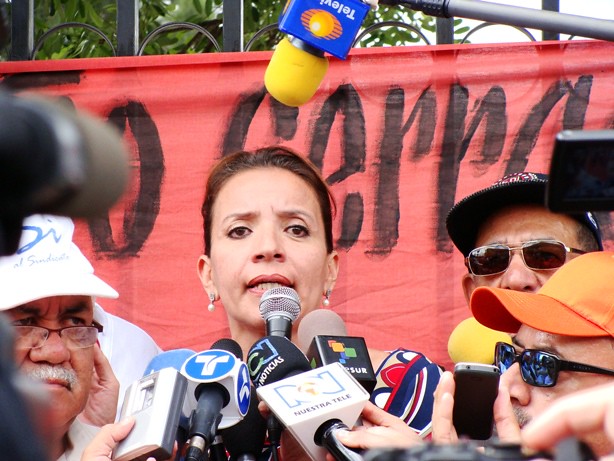
Honduran President-elect Xiomara Castro/ hablaguante/ Flickr/ Creative Commons License

Honduran President-elect Xiomara Castro’s actions since her election on November 28 reflect optimism that the country can turn the page on the 12 tumultuous years since the military coup that forced her husband out of the country at gunpoint – and realism about the monumental tasks ahead. The voter turnout (69.28 percent) and her 15-point victory over the incumbent party’s candidate were historic. So was the level of violence – 23 candidates murdered – during the campaign.

A similarly historic basket of problems awaits Xiomara when she’s inaugurated on January 27.

  • Experts say that the government is bankrupt because of corruption, mismanagement, downturns in commodities on which the country has traditionally depended, two major hurricanes last year, and the COVID-19 pandemic. The country’s foreign debt burden is more than $16 billion (nearly 60 percent of GDP), and the economy contracted 9 percent last year. Former Finance Minister Hugo Noé, Xiomara’s senior policy advisor during the campaign, says his team is already dialoguing with the IMF on a new debt deal.
  • U.S. investigations into outgoing President Juan Orlando Hernández (JOH) are reportedly very close to seeking his extradition for trial – which would thrust Xiomara’s young administration into a potentially major political crisis. JOH’s broad network of accomplices are not likely to go quietly either.

Most of the President-elect’s early actions have centered on building an effective transition to what she calls un estado solidario – drawing positive feedback even from potential opponents so far.

  • A transition commission is beginning a national consultation on priorities, especially “the elimination of poverty and hunger” among the 74 percent of Hondurans who are poor and 53 percent extremely poor. Noting that corruption is a major root cause of the country’s economic mess, Xiomara is calling for vigorous anticorruption efforts, including some with UN support, and for repealing the “impunity laws” and “secrecy laws” that have allowed illegal dealing that saps government resources. To address the violence that terrorizes citizens and drives them to migrate, she says she “will fight narco-trafficking head-on.”
  • She has pledged to fight for the protection of women and their rights. Honduras has the highest rate of femicide (4.7 cases per 100,000 women last year, according to CEPAL) and gender violence in the hemisphere – an ugly reality that analysts say is another root cause of migration. She’s advocated an unspecified loosening of restrictions on abortion, which is currently forbidden even in rape cases.
  • Potential opponents have so far gone along. The military high command, whose loyalty JOH worked hard to win, has released a statement committing to working with Xiomara and stating that “she will be the President and commander of the Armed Forces.” JOH allies in the business sector and traditionally conservative media such as the country’s largest newspaper, El Heraldo, have welcomed her.

Rhetoric that the 2009 coup reversed a flourishing democracy is exaggerated – it has always been a flawed democracy and ousted President Mel Zelaya, like his peers, was a flawed leader. But this vote and early reactions indicate broad agreement that the past 12 years have exhausted the country. Xiomara’s Partido Libertad y Refundación (LIBRE) has soundly thumped the country’s two traditional parties, sending both back to re-think their strategies.

  • Governing is likely to be a learning process for Xiomara. Some of her early foreign policy statements – such as repeating her pledge to normalize relations with China (a sovereign decision the United States and most in the hemisphere have taken) and issuing unvarnished praise for Venezuelan Presidents Chávez and Maduro – have drawn unwelcome attention, but she pulled back and quickly put the focus back on her top domestic priorities. She also has to continue finessing coalition politics; her vice president, right-of-center sportscaster Salvador Nasrala, seemed to wander during the campaign but turned out to be a good asset. Her husband, to whom she’s referred as her “best advisor,” still has a reputation that will require some managing.

The U.S. reaction to her government will be crucial. Xiomara’s agenda, with its focus on the “root causes” of the country’s multiple crises, could make her an ideal ally to U.S. Vice President Kamala Harris, who’s worked hard to focus U.S. policy on those drivers. Neither woman can be expected to do magic, but stopping Honduras’s slide, which started under the putschist regime in 2009 and continued under the two National Party presidents who came after, would be a major victory in itself. The surge in Hondurans encountered on the U.S. border – up to about 300,000 in the past 12 months – has grabbed Washington’s attention, but the real test will be whether the Administration and the Honduran government can seriously address the root causes as promised.

December 9, 2021

Brazil: When Will the Government Act to Reduce Firearm Deaths Among Children?

By Beatriz Rey and Estevan Muniz*

Brazilian police
Police in a city in Brazil./ dfactory/ Flickr/ Creative Commons License

Gun-related violence against Brazilian children and teenagers has been alarmingly high for years – rising to 9,818 in 2017 and 8,253 in 2018 – but the Brazilian government has paid little attention to the issue. Seventy percent of the over 140,000 children and teenagers (0-19 years old) killed in firearm-related incidents between 2001 and 2018 were Black. While exact figures remain elusive, the independent Brazilian Public Security Forum estimates about one in almost five of the deaths – 2,884 children and teenagers in the two-year period 2017‑18 – resulted from police interventions.

  • The issue first appeared on the Congressional agenda in 1992, when legislators created a Parliamentary Inquiry Committee (CPI) in the Chamber of Deputies to investigate the high number of killings of children and teenagers. Of the eight bills proposed by the CPI, only two became law – one establishing restrictions on private security companies and one removing some immunities from military police who commit crimes against civilians. Neither law has directly impacted the killing of children and teenagers. Several other bills, including one that would have created a National Code for Gun Ownership, failed.
  • Legislators instituted another CPI in 2015 (in the Senate) to examine homicides among Black youths. Their work resulted in a single bill (PLS 240/2016) that proposed a National Plan to Combat the Killing of Young People. The plan aims to reduce the number of youth homicides to less than 10 for every 100,000 youths over the next 10 years and to prosecute up to 80 percent of crimes against them. The Senate approved the bill (now called PL 9796/2018) in 2018, but no Chamber vote has occurred.
  • An executive branch initiative, enacted by the administration of former President Lula da Silva in partnership with UNICEF and the Favelas Observatory in 2009, was the Program for the Reduction of Lethal Violence Against Adolescents and Youth (PRVL), which attempted to mobilize key societal actors, produce indicators of lethality, and analyze cases of successful mortality reduction. The PRVL is no longer active; it was discontinued during the Dilma Rousseff administration.

Squabbling between the left and right has led to inconsistent and short-lived policies that have failed to reduce gun violence. The two Cardoso administrations (1995-2002) took only incremental steps in addressing law and order issues. Fears of failure and popular blame made Lula (2003-11) reluctant to implement his own National Public Security Plan. He eventually enacted the National Plan of Public Security and Citizenship (PRONASCI) in his second term, but Rousseff (2011-16) discontinued it – reflecting the lack of a coherent proposal from the left in the face of lobbying from the Armed Forces, police associations, and police chiefs within an institutional legacy of the dictatorship (1964‑85).

  • The lack of effective policy action is also due to the policymakers’ cognitive and institutional constraints. Leaders can only focus on a limited set of issues at once, and building majorities in legislatures on contentious issues has proven beyond them. Earlier this year a few legislators attempted to schedule a vote on the bill creating a National Plan to Combat the Killing of Young People (PL 9796/2018) in the Chamber of Deputies – where it’s been stuck since 2018 – but the COVID‑19 pandemic shifted all attention away.

After years of government failure to protect the lives of thousands of children and teenagers, civic action might be the only feasible way to tackle the issue. Mobilization has achieved successes in other areas such as education, where civil society groups recently pressed deputies and the executive branch to approve the National Fund for Basic Education (Fundeb).  

  • A window of opportunity currently exists to push the Senate-approved draft bill – PL 9796/2018 – to the Chamber floor. It enjoys broad civil society support and, unlike proposals from the 1992 CPI, offers comprehensive national guidelines, goals, and strategies for the federal government, states, and municipalities. In this sense, bill 9796/2018 provides a consensus-based roadmap for future political negotiation.
  • While a lack of data on the link between police violence and race makes it hard to target policy solutions for Black children and teenagers, progress on the broader issue of police violence will especially affect this vulnerable segment of the Brazilian population. The renewed focus on race and police violence in Brazil presents the opportunity for popular mobilization to bring necessary attention to the issue. Reigniting this policy conversation could represent a first step towards preventing future deaths.

September 23, 2020

* Beatriz Rey is a CLALS Research Fellow. Estevan Muniz is a journalist at TV Globo and a filmmaker. This is an adaptation of an article first published by the Wilson Center.