By Sofia Guerra
Creative Commons Licenses
Abstract:
Mexico City has seen a rise in digital nomads, individuals who work remotely while exploring low-cost international destinations. Sofia Guerra, along with a colleague, conducted fieldwork during the summer of 2024 to study this phenomenon. One finding showcased a significant increase in tourism in Tepito, one of Mexico City’s most dangerous neighborhoods. There has been an attempt to rebrand it as ‘Reforma Norte’ to mitigate its notorious reputation. Despite these efforts, Tepito residents report little to no improvement in the safety of the area, which remains heavily associated with crime and gang activity. Digital nomads generally avoid living in Tepito, visiting only its markets with local guides during the day.
Mexico City has experienced a notable increase in the number of digital nomads from around the globe. Digital nomads are individuals who can work remotely, using their flexibility to explore and reside in different countries. This lifestyle allows them to earn a living while working away from their home base. Typically, they choose destinations with a lower cost of living compared to their hometowns, which results in them earning in one currency and spending in another. This constructs economic growth by attracting investment in the area but raises local prices.
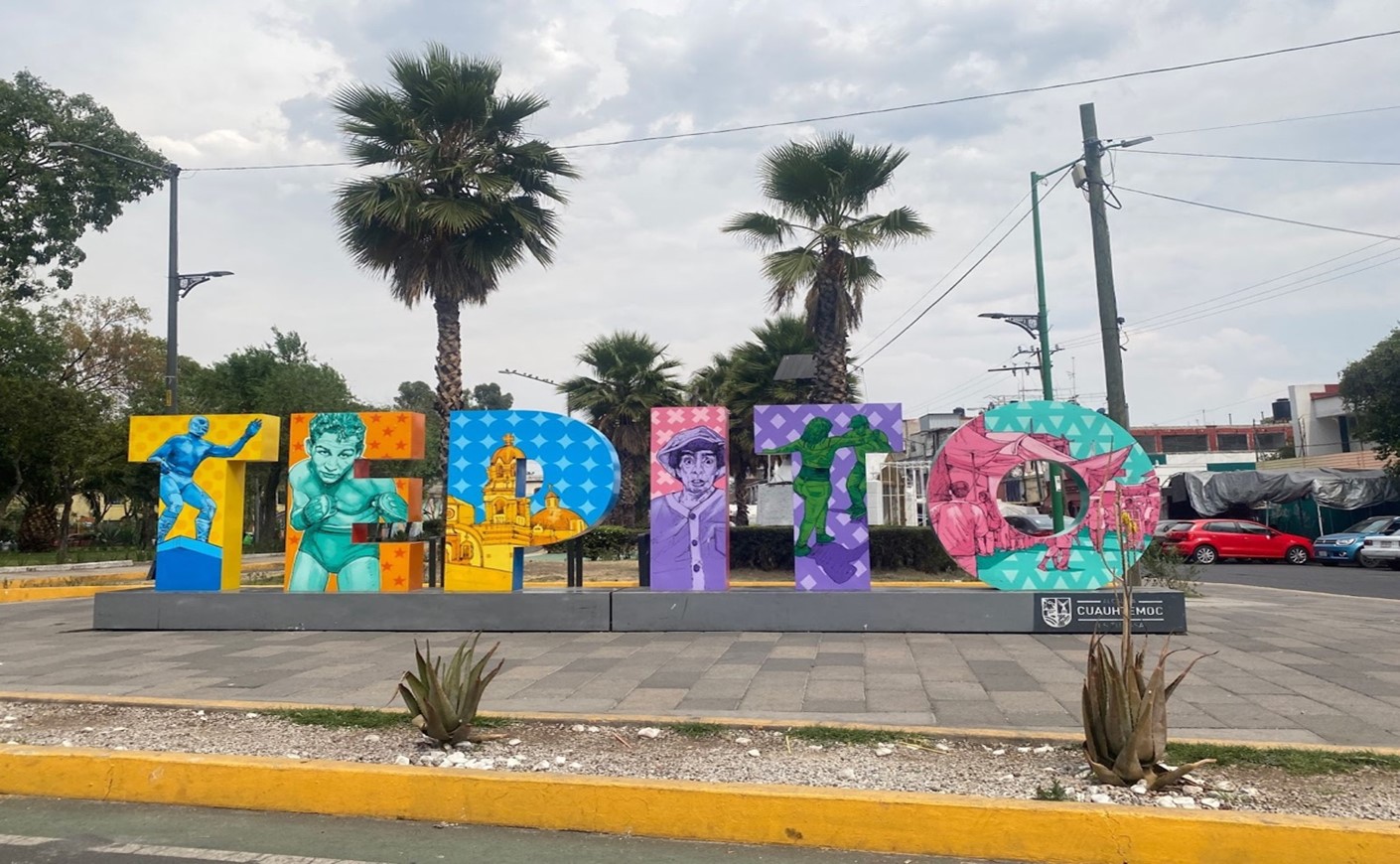
I have been studying this social phenomenon through research conducted with my colleague Montse Hernandez by interviewing locals and digital nomads to gather data. One theme that impressed us the most was that, due to gentrification, Tepito—a neighborhood known as one of the six most dangerous barrios in Mexico—is now becoming an intriguing destination for digital nomads. One of our participants even claimed that tourism led to increased security in the area.
Being born and raised in Mexico City and always hearing about the crime surrounding Tepito, made this theme catch my attention and I decided to explore it further. Kristýna Omastová, conducted research to understand Tepito’s transformation from the 1960s to the present day. She describes how Tepito, initially known for its informal commerce, evolved into a major drug distribution hub in the heart of Mexico City. With the rise of the informal economy and growing demand for illegal goods, Tepito solidified its reputation as a place where illicit products were easily accessible. Tepito became a key center for drug distribution, and violence peaked and fell under gang control. To this day, remains a hub for drug trafficking operations, dominated by gangs like “La Unión Tepito,” which control not only the drug trade, but also other illegal activities such as extortion, kidnapping, and theft.
So, why has Tepito become a target for digital nomads? The real estate company Grupo UBK launched a new remarketing campaign for the area, driven by the rising demand for apartments in Mexico City. Tepito is being promoted as an affordable investment opportunity, making the rent prices in the area rise. A rebranding effort has emerged, and it involves renaming it ‘Reforma Norte’ to mitigate its reputation for insecurity. It’s important to note that the buildings are not located in the heart of Tepito, but rather on the outside of the neighborhood. Some locals don’t even know that the area is now being called Reforma Norte and believe that the promotion of Reform Norte will not change or affect the prices of the heart of Tepito, although they have seen an increase in foreign-born visitors in some of the busiest market areas. This showcases that the marketing strategy has digital nomads as their target, therefore causing an increase in tourists in that area.
Although there has been an increase in foreign-born visitors in Tepito, the area is still known for delinquency, drug trafficking, and informal commerce. Digital nomads are mostly living in safer neighborhoods such as Condesa, Roma, Polanco, and Juárez. In Tepito, tourists often visit for the day and go to the markets in the heart of the barrio, usually accompanied by a tour guide or locals who know the area. This suggests that the rebranding strategy by the real estate company has led them to believe that Tepito is becoming safer, although locals from Tepito themselves do not perceive any significant changes in the Barrio Bravo safety.
Sofia Guerra is a sociology graduate student at American University. She is a research assistant at the Immigration Lab and Center of Latin American and Latino Studies at American University. She has conducted research on migration, gender studies, and the bilateral relationship between Mexico and the United States. She has an interest in policy-making, migration studies, criminology, and academia. She currently working on her research regarding migration and interpersonal violence.




 AULA Blog