Haiti Needs to Lay New Tracks

By Jake Johnston

Research Associate, Center for Economic and Policy Research

It’s been nearly a decade since Haitians last went to the polls to elect a president. Even then, barely one in five participated. In a country with a majority of the population under 25 years of age, this means that, for most Haitians, voting for one’s leaders is a privilege never before experienced.

Haiti’s transition, precipitated by the assassination of Jovenel Moïse in July 2021, is ongoing. For the better part of four years, progress toward elections has remained elusive. But that all appeared to change this fall.

“The Haitians need to come to an election and elect a president,” the US Charge d’Affaires, Henry Wooster said in September. Security and other challenges must not be a “red herring for taking action,” he continued. Speaking directly to Haiti’s de facto authorities, he warned: “In other words, you can’t stay in those jobs for life.”

The reaction, in a country where the political class remains more responsive to Washington than the population in Haiti, was swift. Two months later, a new electoral law has been established and a vote scheduled for next August. But does this present Haitians with a path out of the multiple, overlaid crises affecting the country? More than half the country is facing food insecurity, the economy is about to wrap up its seventh consecutive year of negative growth, and insecurity continues to dominate daily life.

In 2023, when asked if they had trust in the electoral process, fewer than one in four Haitians responded yes. It is hard to imagine that number is higher today. Though few would be sorry to see the much-loathed leaders atop the transition fall, a vote is not a path out of the current crisis.

The quick response to Wooster’s threats was not so much about elections. It was about a date much closer on the horizon: February 7, 2026. That is when the mandate of the nine-member presidential council — which was put in place with a strong push from the Biden administration, CARICOM, UN, and the OAS 18 months ago — formally ends. For months, debate has raged over what should come next. The political class is auditioning, not with the ten-plus million citizens of Haiti, but with the foreign diplomats and multilateral entities they see as key to their own survival.

And if there was any doubt about who would ultimately decide, it was put to rest in mid-November. Amid an effort from some on the transitional presidential council to, once again, replace the prime minister, the US embassy stepped into the fight.

“If you and your family value your relationship with the United States, I urge you in the strongest terms to desist from initiatives to oust the PM and to instead publish the electoral decree … This is not the time to test U.S. resolve,” Wooster texted Fritz Jean, one of the councilors. Days later, Jean’s US visa was revoked and the State Department publicly accused him, without providing evidence, of supporting armed gangs. The effort to replace the PM was stopped — at least for now. The next week, the electoral decree was published.

The “plan” is coming into focus, and it is a familiar one: stability at all costs, no matter how rotten the foundation. To enforce this notion of stability and allow for elections, the US has been quick to assure that more security support is on the way.

In September, the UN Security Council approved a Gang Suppression Force (GSF). Authorized for up to 5,500 soldiers, it is currently little more than a rebranding of the Kenyan-led Multinational Support Mission (MSS) that the UN authorized in 2024. No new troops have arrived and, while this new mission will have some level of UN support, operationalizing any of it is expected to take the better part of a year. 

The main difference then, for the 1,000 or so mostly Kenyan police on the ground in Haiti is that the rules of engagement have changed. The GSF, as its name suggests, is intended to be more “muscular,” by which its architects mean lethal. The newly drafted Concept of Operations outlines a mission with a simple goal: kill the bandits.

But while few have taken note, that has been the de facto authorities’ strategy for some time. So far this year, police forces have been responsible for well over half of the 4,500-plus killings in Haiti. Hundreds of civilians have been caught in the crossfire as police battle armed groups that exert influence over much of Port-au-Prince and have traumatized a nation. Drone attacks, led by a secretive police unit operating with Blackwater CEO Erik Prince’s private mercenaries, are also racking up civilian casualties and drawing growing condemnation.

The outspoken leaders of Haiti’s armed groups, however, only seem to continue to accumulate more power, political influence, and heavy weaponry. While some areas of the capital have seen tension ease, violence in the provinces is expanding by the day. Armed groups still control all the major arteries of the nation. More people are displaced today than at the height of the post-earthquake recovery.

The US has expressed its goal in Haiti as saving the state from imminent collapse, thereby avoiding mass migration or the further entrenchment of transnational criminal organizations. But while precious oxygen is consumed by raging debates over electoral timelines, transitional governance structures, and how quickly foreign soldiers can arrive, nobody has stopped to ask a basic question: is the current state worth saving?

The root of the tension that has paralyzed the country for much of the last decade is not a fight between violent gangs and the state. Simplistic narratives of good versus evil miss the mark. Rather, it is a fight over putting the train back on the tracks to save a rump state in the name of stability or to lay new tracks to create the foundations for a more representative state to rise from the ashes. It is not elections nor a foreign military force that will resolve this fundamental tension. In fact, history shows those two responses are more likely to consolidate the status quo.

The Haitian people need an opportunity to vote freely. They need to feel safe and secure in their communities. But what is missing is a plan to bring it all together, to begin restoring faith in a state that long ago lost the trust of the population; a plan to achieve peace, which is not just the absence of violence, but the presence of opportunity. What is missing is a vision that can inspire the population and bring the nation together around a common path forward.

A peace process can fill that gap. Such an endeavor does not mean legitimizing armed actors, condoning violence, or accepting impunity; rather, what it should mean is treating the situation holistically while centering the population and in particular victims of both state and non-state violence. A foreign military force and low-turnout elections are tracks Haiti has been down many times before. A peace process offers a chance at laying new ones. But first, what Haiti needs are political leaders responsive to the needs of the people and not simply to foreign embassies.

The Multiple Dimensions of the US-Brazil Relations Crisis

By Lívia Peres Milani

Public Policy and International Relations Institute (IPPRI-Unesp)

National Institute of Science and Technology for the Studies of the United States (INCT-INEU)

President Donald Trump meets with Brazilian President Luís Inácio Lula da Silva during the ASEAN Summit at the Kuala Lumpur Convention Center. (Source: Wikimedia Commons)

On November 11th, the US announced a withdraw of the additional 40% tariffs it had imposed on many goods of Brazilian origin, including coffee, fruit, and beef. The tariffs, initially imposed on July 30th, are one among multiple dimensions of the current bilateral crisis. Besides commerce, the crisis also has a political dimension, initiated by the recent US decision to invoke the Magnitsky Act – an instrument ostensibly used to sanction corruption and human rights violations – against Alexandre de Moraes, one of the Brazilian Justices responsible for the conviction  of ex-president Jair Bolsonaro over his attempted  coup d’état. While the recent White House decision does not necessarily represent an end of the crisis, it represents a pause of sorts, and so, a timely moment to assess the relationship.  

The imposition of tariffs  

The White House’s initial imposition of tariffs may at first glance make little sense, since it appears to disregard its economic interests. The US enjoys a trade surplus with Brazil, and there is not sufficient production in the US of many of the tariffed products to meet national demand. That is the case for coffee, fruit, and a variety of industrial supplies. However, to understand the source of the crisis, it is necessary to consider its non-commercial dimensions. These include i) the transnational articulation of far-right movements, ii) Big Tech’s economic interests, and iii) US geostrategic considerations.  

Brazilian and US far-right currents are deeply connected. Eduardo Bolsonaro, son of the former president, has worked to promote the Brazilian radical right abroad. During his father’s trial, he took a leave from Congress to launch a pressure campaign in the US against the Brazilian Supreme Court (STF) and the Lula government. With cooperation from sympathetic US leaders, he lobbied against the Lula administration, claiming that the trial was a “witch hunt,” his father was the victim of political persecution, and asking that the US government impose penalties on the Brazilian authorities responsible. This effort complicated Brazil’s relation with Foggy Bottom and the White House. Much of the language used by the White House to justify the new round of tariffs reflected this lobbying effort. 

Another factor that explains US policy toward Brazil are the interests of Big Tech companies. Brazil’s Supreme Federal Court took up a case relating to the responsibilities of social media platforms for user-posted content, ruling that social media platforms should be civilly liable if they failed to remove undemocratic, discriminatory, or crime-inciting content. In response, the US Computer and Communication Industry Association (CCIA) welcomed the imposition of sanctions against Moraes. They argued that the ruling in Brazil violated “free expression,” a strategy often used by Big Tech actors, in conjunction with far-right political leaders, to oppose the regulation of social media in Brazil and elsewhere.  

Finally, larger geostrategic considerations are also in play. The current US administration seeks to reassert US regional and global hegemony. Brazil, for its part, wants to promote its Global South leadership, framed as part of a “multipolar world order.” Promoting the BRICS forum is an important component of Brazil’s approach. The new tariffs were announced a few days after the BRICS summit in Rio de Janeiro, with the US president also threatening to impose tariffs on other countries that associate themselves with the BRICS+ group. This timing illustrates US opposition to the BRICS and pressure on Brazil to align with Western countries instead of its Global South partners. 

Tariffs backfire and the future of US-Brazil relations 

However, the Trump administration’s aggressive strategy against Brazil has not led to the expected results. Brazil’s government managed to control the domestic narrative, framing US tariffs as an attack on Brazilian sovereignty, a strategy supported by public opinion, as polls show. The US approach also became an incentive for Brazil to shore up its relations with Global South leaders. Following the tariffs, Lula reached out to the presidents of China and India to discuss the expansion of trade relations. The tariffs also proved unpopular in the US, and harmful for the White House, since they drove up the cost of coffee and other products. 

These several factors explain Trump’s subsequent decision to change direction. He opened a dialogue with Brazil, first announced at the UN General Assembly, and then confirmed his goodwill in a bilateral meeting in Malaysia. High-level negotiations, and the unpopular inflationary trend in the US, led to the recent removal of tariffs from many Brazilian products. It also signals an end to this most recent period of bilateral crisis. 

Nevertheless, there might still be consequences over the middle and long term. US sanctions communicate to the Brazilian government that, while a global power, the US is not a trustworthy partner, even when it comes to such non-strategic, everyday issues as the export of coffee and fruit. At the same time recent events have helped to cement the transnational partnerships of far-right leaders while also serving to illustrate how these relationships are impacting US government decision-making.  

On the other hand, the recent US decision to alleviate the tariffs is a signal for both partners that the US-Brazil bilateral relationship is an important one. Even if this relationship is imbalanced, given the US’s economy and global influence, the recent tariff episode illustrates that the US cannot simply dictate policy to Brazil, and that the two countries’ economic interdependence can function as a structural constraint upon the political will of far-right political actors.   

Can Peru’s Democracy Recover?

By Cynthia McClintock*

Photographs from the early hours of the Generation Z protest in Peru, 2025
(Source: Wikimedia Commons)

Since 2021, democratic backsliding has been severe in Peru, and Peruvians are furious. Peru’s Congress is loathed. In 2025, the approval rating for Peru’s President, Dina Boluarte, fell below 3 percent and she became the most unpopular president on the planet. Finally, in October, Boluarte was impeached on the grounds of “permanent moral incapacity”; it was the fifth time since 2018 that a president had been impeached or had resigned upon imminent impeachment.  Per Peru’s constitution, Boluarte was succeeded by the Congress Speaker, José Jerí. Presidential and Congressional elections are scheduled for early 2026.

Why are Peruvians so angry? What does their anger mean for the 2026 elections (with the Congressional elections and the first round of the presidential elections scheduled for April 12 and a likely runoff on June 7)? Is it possible that the elections can lead to a democratic recovery?

Why are Peruvians So Angry?

The key reason is not “the economy stupid,” but an escalation of organized crime and the perception that Peru’s political leaders are part of the problem rather than part of the solution.

Between 2019 and 2024 the number of homicides doubled and the number of reported extortions jumped sixfold. Extortion is hurting huge swathes of lower-middle class Peruvians. Transport workers have been particularly vulnerable; so far in 2025, approximately 50 bus drivers have been killed for refusing to make extortion payments.

The reasons behind the crime escalation are various. Demand for cocaine remains high and, over the last decade, Peru’s coca cultivation has increased. As the price for gold jumped, so did illegal gold mining. Peru’s gangs are fragmented—and therefore hard to track—and they have developed nefarious new strategies such as using WhatsApp for extortion.

But, Peruvians believe, the reasons also include the government’s complicity. In part because illicit operators have provided campaign finance, in 2024 approximately half of Peru’s legislators were under criminal investigation; these same legislators have passed laws to impede investigations and prosecutions. Boluarte herself is under investigation for various crimes, including illicit enrichment. She sported a Rolex watch priced at $19,000, despite no evident financial means for such extravagance.

Further, from the start large percentages of Peruvians did not deem Boluarte a legitimate president. In 2021-2022, Boluarte was Vice President under President Pedro Castillo. Leading a far-left party in fraught elections during COVID, Castillo was an accidental, unprepared president. He was virulently opposed by the dominant right-wing forces in Congress, in particular Fuerza Popular, the party of Keiko Fujimori, the daughter of former authoritarian President Alberto Fujimori. As Vice President, Boluarte had said that, if Castillo were impeached, she too would resign, triggering new elections. However, in the event of Castillo’s December 2022 impeachment, Boluarte stayed on, despite massive protests and ubiquitous calls for new elections.

As President, Boluarte appeared indifferent to Peruvians’ concerns. Between December 2022 and February 2023, 49 civilian protesters were killed by the security forces. Boluarte’s response was support for an amnesty law. And, amid an October 2025 transport workers’ strike, Boluarte’s advice to Peruvians worried about crime was that they should not open text messages from unfamiliar people—placing blame for crimes on the victims.

What Does Peruvians’ Anger Mean for the 2026 Elections?

Peruvians’ anger spells difficulties for its incumbent parties and advantages for parties that can claim an “outsider” mantle. Fujimori’s Fuerza Popular is widely considered the dominant party in the Congress, and it will struggle against this perception. Its presidential candidate, Fujimori, is running for the fourth time and is likely to have worn out her welcome.

Not surprisingly, demands for an “iron fist” against crime are strong. The current presidential frontrunner is Renovación Popular’s Rafael López Aliaga (aka “Porky”), a Trump-like far-rightist who placed third in the 2021 election and was subsequently elected Lima’s mayor. López Aliaga promises a hardline strategy against organized crime, including implementing similar imprisonment policies to those of El Salvador’s Nayib Bukele. But Renovación Popular holds the fourth largest number of seats in Congress and it will be difficult for López Aliaga to claim an “outsider” mantle.

A candidate likely to claim an “outsider” mantle is Mario Vizcarra, running as a proxy for his brother, former President Martín Vizcarra. As President in 2018-2020, Vizcarra confronted the dominant parties in Peru’s Congress, building his popularity but ultimately catalyzing his impeachment. After a strong showing in Peru’s 2021 legislative elections, he was disqualified from holding elected office for ten years. Yet, Vizcarra’s government was far from without fault. There are other candidates, including the popular former clown, Carlos Álvarez, who could seize the “outsider” mantle.

Can Peru’s 2026 Elections Lead to Democratic Recovery?

The challenges to Peru’s elections are serious. In recent years Fuerza Popular and other illiberal parties in Peru’s Congress have allied to skew the electoral playing field in their favor.  Interim President Jerí is, of course, new to his position and his possible impact on the elections is unclear. (His first-month record was better than was first expected.)

As elsewhere in Latin America, Peru’s illiberal parties have strategized to achieve the disqualification of viable candidates. As indicated, this strategy is currently being used against Vizcarra; it could also be used against a rising new candidate.

Peru’s illiberal parties have calculated that a plethora of candidates is in their interest. Currently, 39 party lists are registered. Such a head-spinning number is problematic for journalists trying to cover the campaign and problematic for voters trying to identify their preferred candidate, especially because pre-election polls are more likely to be inaccurate. Yet, Peru’s Congress cancelled a provision for a preliminary round of voting, in which parties would have been required to secure 1.5 percent of the vote in order to qualify for the “first round.”

Still, there are grounds for optimism. The massive protests of recent years have shown that Peruvians want their political views heard. Peruvians recognize the importance of honest, capable leadership and want to find it.

*Cynthia McClintock is Professor of Political Science and International Affairs at George Washington University.

Bolivia Decisively Enters New If Unknown Political Territory

By Robert Albro, Associate Director, CLALS

Rodrigo Paz is sworn in as president of Bolivia, 2025
(Source: Wikimedia Commons)

Centrist Rodrigo Paz’s victory in October’s runoff election signals a dramatic change of direction for Bolivian politics. The era of dominance of the Movement Toward Socialism (MAS) party, led by ex-president Evo Morales, is definitively over. For only the second time since 2006 the MAS will not control the presidency. As a result of the recent election, it now has a mere two representatives in the legislature’s lower house, and no one in the upper house. Though it does not hold an outright majority, Paz’s Christian Democratic Party is now the single largest presence in both legislative chambers. How did Bolivia get here?

Twenty years ago, the leftist-populist MAS swept into power, as a new and energetic grassroots alternative to the elite-run traditional parties that had traded off governing Bolivia since the end of dictatorship in 1982, or one could even argue, since the 1952 Revolution. The MAS’s popularity sprung largely from the dynamism of Morales, himself, then a coca grower union leader adept at organizing and leading large-scale protests in opposition to prevailing Washington Consensus policies and government efforts to sell off Bolivia’s non-renewable resources to transnational corporate interests. The MAS styled itself a bottom-up social movement and not a party. Its participatory “lead by following” approach to governance appealed to a great majority of indigenous voters and working-class people of indigenous descent.

Morales and the MAS proved historically consequential in undertaking a contentious but innovative rewrite of the country’s Constitution, which went into force in 2009. It fully embraced Bolivia’s “plurinational” identity and incorporated an unprecedented variety of collective indigenous rights of consultation, to their traditional territories, and perhaps most controversially, of judicial autonomy. The Morales administration also used a large surplus from the country’s extractive boom to finance a wide range of new social safety net provisions that halved the number of people living in poverty, including cash transfers to families, a pension program, minimum wage increase, as well as public investments in schools, hospitals, and other infrastructure. Perhaps most importantly, his presidency raised the public visibility of Bolivia’s indigenous majority, no longer as second class citizens but as political protagonists of their own present and future.

Morales and the MAS were immensely popular. But then cracks began to appear. In 2011 a plan to build a controversial highway through a protected indigenous reserve brought the MAS government into direct conflict with the reserve’s residents, damaging its support among some indigenous groups. When the extractive boom ended around 2014, Bolivia’s economy slowed considerably, and the MAS fiscal policies that had lifted so many out of poverty became increasingly unsustainable. Part of the problem was Morales, who served two presidential terms and aspired to another, without any thought to a succession plan. Constitutionally limited to two terms, in 2016 he soundly lost a national referendum in a bid for a third and then ignored the result, further alienating many former supporters.

The upheaval around the contested 2019 election, which eventuated in Morales going into exile in Mexico and the persecution of MAS loyalists by a rightwing caretaker government, set the stage for the party’s eventual fall from grace. The 2020 election restored the MAS to power. But soon Morales and the new president, his ex-finance minister Luis Arce, were in a pitched battle for control over the party, a bitter and increasingly personal rivalry that fatally fragmented the MAS into opposed camps. Their protracted feud, which paralyzed congress, strayed into surreal territory, with accusations of a staged coup and mutual assassination attempts. The credibility of the MAS was so fundamentally damaged that the incumbent Arce, with his poll numbers plummeting, suspended his campaign. Morales, meanwhile, remains holed up in his coca grower redoubt to avoid criminal charges.

The MAS-led government’s political fragmentation, and its ineffectual response to Bolivia’s increasingly disastrous economy, have left the party deeply unpopular. The country is currently floundering amid its worst economic crisis in 40 years. Its natural gas production is half of what it was in 2014, with nothing to replace it. Bolivia has failed to develop its large reserves of lithium. Depleted currency reserves and a scarcity of US dollars have driven up inflation, creating severe shortages of fuel and basic goods. Over the past year, ordinary Bolivians have angrily expressed their discontent with the country’s economic collapse through repeated strikes and protest actions.

Emerging from this bleak political and economic state-of-affairs is the surprise election winner, Rodrigo Paz. Son of onetime leftist president Jaime Paz Zamora, former mayor of Tarija, and recently a senator, Paz’s campaign focused on restoring Bolivia’s economy, but gradually rather than by instituting sweeping fiscal austerity measures as his rival in the run-off proposed. Non-indigenous, pro-business, and ideology averse, Paz successfully positioned himself as a pragmatic reformer. He has delivered a strong anti-corruption message, pledged to restore relations with the US and bring back foreign investment. His populist call for a “capitalism for all” hopes to thread the needle by mixing decentralization, lower taxes, support for small businesses, and greater fiscal discipline, with continued spending on popular MAS-era social programs.

Paz’s critics argue that what he proposes is an impossible fiscal balancing act. Desperate and impatient Bolivians will expect immediate results. But it remains far from clear whether Paz will be able to overcome likely regional opposition to at least some of his policies. And if he does not stabilize the country’s dysfunctional economy quickly, Paz’s political honeymoon might be brief.

Why MS-13, M-18, and Tren de Aragua Are Not Terrorist Groups

by Melissa Vasquez, Ernesto Castañeda, and Anthony Fontes

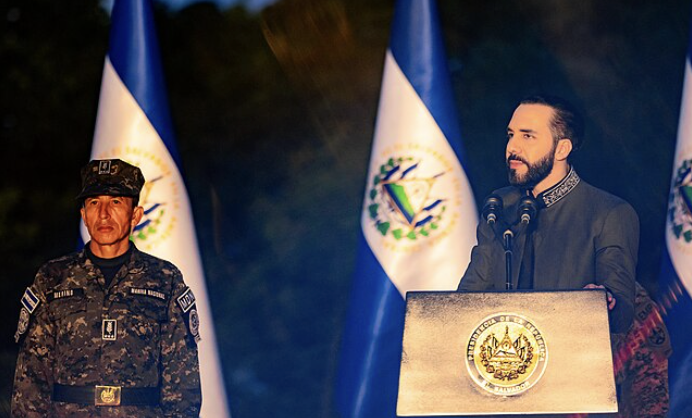
Image of President Trump of the United States and President Bukele of El Salvador meeting, White House, Sep 25 2019, Fliker

Are MS-13, M-18, and Tren de Aragua terrorist organizations? The short answer is no, they are not. They are transnational criminal organizations. El Salvador’s President Bukele and Donald Trump have officially labeled these groups as terrorist organizations, citing their extreme violence and control over some territories. However, these classifications have sparked debate, as their activities are more aligned with organized crime than political terrorism. Making this distinction is crucial given that mislabeling them can lead to misguided policies that fail at curbing their violence.

The 1980s civil wars in Central America forced nearly a million people to flee the U.S. Some immigrants are still forced to leave their countries because of organized crime and gang recruitment. Today most often, some displaced people are victims of gangs, not members or representatives abroad. However, upon originally arriving in Los Angeles, many Central American migrants faced marginalization and sought protection from the gangs present in the areas where they lived and worked. These challenges ultimately contributed to the formation of the present-day MS-13 and M-18 gangs. Many of the members of these new local gangs were incarcerated in Los Angeles prisons alongside members of other gangs, which allowed them to regroup and learn from their rivals. Shortly after the wars, mass deportations from prisons and streets sent MS-13 and M-18 members back to a weakened Central America, where they expanded their networks and influence. 

Similarly, El Tren de Aragua (TdR), which originated in the early 2000s in Venezuelan prisons—particularly the Tocorón prison—has expanded across South America. Originally, a prison gang, Tren de Aragua, expanded beyond prison walls to exploit weak governance, connecting criminal networks across South and North America. Furthermore, like MS-13 and M-18, Tren de Aragua is driven by criminal enterprising rather than political ideology. That is, neither group aims to take over state power or remake society in their own image. Rather, they are hyper-focused on generating maximum profits through illicit means while avoiding state interference. They are criminal syndicates with some capacity—though quite limited—to carry out their rackets across borders. They are certainly NOT terrorist entities. 

What separates a terrorist organization from a criminal syndicate? While both engage in illicit activities and use violence as a means to an end, it is crucial to distinguish their goals and methods to dismantle them effectively. The primary difference lies in their objectives: terrorist organizations seek political, religious, or ideological change by influencing government policies or societal structures, whereas transnational criminal organizations (TCOs) operate across borders solely for financial gain, without political or ideological motives beyond sowing conditions to maximize profit. 

For example, the U.S. government has classified groups like Revolutionary Armed Forces of Colombia (FARC) and ISIS as terrorist organizations due to their political objectives. FARCS’s history dates back to 1964 when it emerged as a communist insurgency that employed terrorist tactics. Initially formed as a guerilla movement from campesino self-defense groups, whose primary objective was to overthrow the Colombian government. Over the next five decades, FARC waged guerilla warfare by carrying out illicit activities—such as bombing, kidnappings, and assassinations–all in an effort to challenge state authority. Colombia, the U.S., and the European Union designated FARC as a terrorist organization due to their use of political violence.

However, the 2016 peace accords between FARC and the Colombian government led to the successful disarmament. This agreement allowed the group to transition into a political party known as Comunes. Even though some dissident factions still operate, FARC’s official transformation has been a key factor in maintaining long-term stability in Colombia. Recognizing this shift has been crucial in fostering peace and ensuring that former combatants can engage in democratic processes rather than armed conflict.

The contrast between ISIS and FARC highlights the importance of proper classification. FARC has abandoned the characteristics that once classified it as a terrorist organization and instead has evolved into a political entity. ISIS, on the other hand, remains committed to its extremist and political ideology, seeking to overthrow governments through guerrilla warfare and establish a global Islamic caliphate through territorial control and sectarian violence. Addressing the causes behind these organizations is equally crucial. FARC’s transition has allowed Colombia to tackle the drivers that led to its rise in the first place, providing the foundation for long-term stability. When governments misdiagnose the factors driving their emergence, violence continues.

Despite claims that Tren de Aragua serves the Maduro regime, evidence suggests otherwise. The group arose from Venezuela’s weak governance and not from direct state sponsorship. According to Insight Crime, in September 2023, Venezuelan law enforcement raided the Tocorón prison in Aragua state, aiming to “dismantle and put an end to organized crime gangs and other criminal networks operating from the Tocorón Penitentiary.” This operation demonstrates that Tren de Aragua is not a state-sponsored group, nor is it a tool being used by the Venezuelan state to destabilize the region. Its rise—like that of MS-13 and M-18—can be traced back to systemic failures, including poverty, corruption, and forced population displacement. These factors have allowed transnational criminal organizations to flourish across Latin America. 

MS-13 and M-18 expanded by exploiting political corruption and institutional weakness in their home countries. Similarly, Tren de Aragua has taken advantage of Venezuela’s economic crises and large emigration to expand into new territories, such as the Darién Gap. Unlike terrorist organizations, these gangs did not emerge to push a political ideology; rather, they have thrived by leveraging corruption and weak law enforcement. In many ways, they are products of the environments that fostered them, growing out of instability rather than ideological ambition.  These transnational criminal groups do not engage in violent attacks abroad, targeting governments or aiming to take political power in the United States. That is beyond their purview and capabilities. 

Why does the distinction between organized crime and terrorist organizations matter? Although all of these organizations engage in violence and illicit activities, their end goals set them apart: MS-13, M-18, and Tren de Aragua operate for profit, whereas ISIS and others seek to reshape the political landscape of their regions. Properly distinguishing between terrorist organizations and transnational criminal organizations like MS-13, M-18, and Tren de Aragua is crucial for drafting effective policies and responses to their violence. Mislabeling these groups can lead to inappropriate responses. Applying counterterrorism measures to profit-driven gangs fails to address the root causes for their expansion in the first place. Failing to properly distinguish organized crime from political terrorists leads to failed policies. The misclassification of these groups could destabilize the region by shifting U.S. foreign policy and resources away from where it is truly needed—addressing the drivers of gang-related violence, corruption, and weak governance—toward counterterrorism efforts. 

While transnational criminal organizations are heavily involved in drug trafficking, and their violence may create fear among civilians and impact governance, this does not qualify them as terrorist organizations. Their primary objective is financial gain, not advancing an ideological or political agenda. This distinction matters because government responses shape outcomes. If the goal is to curb migration, drug trafficking, or violence, then we need to stop treating criminal organizations like terrorist groups and start addressing the real issues driving their expansion. If the U.S. truly wants to curb migration and secure the southern border, then it must ensure that its classification of these organizations is accurate and aligned with its actual objectives.

Melissa Vasquez is a Graduate Student in the International Affairs and Policy Analysis program at American University and an Intern at the Immigrant Lab.

Ernesto Castañeda is the Director of the Immigration Lab and the Center for Latin American and Latino Studies and a Professor at American University

Anthony Fontes is an Associate Professor and ethnographer at American University’s School of International Service.

This piece can be reproduced completely or partially with proper attribution to its author.

What is a migrant? What is ICE? 10 terms to help you understand

By Ernesto Castañeda, Daniel Jenks

President Donald Trump aims to upend the immigration system in the United States in his first few days in office. On Jan. 20, 2025, Trump signed various executive orders that temporarily prevent refugees from coming to the U.S. and block immigrants from applying for asylum at a U.S. border, among other measures.

Another executive order calls on federal agencies to not issue passports, birth certificates or Social Security numbers to babies born in the U.S. to parents not in the country legally, or with temporary permission. Eighteen states sued on Jan. 21 to block this executive order that challenges birthright citizenship, which is guaranteed by the 14th Amendment to the U.S. Constitution.

We are scholars of immigration who closely follow public discussions about immigration policy, trends and terminology. Understanding the many different immigration terms – some technical, some not – can help people better understand immigration news. While not an exhaustive list, here are 10 important terms to know:

1. Migrant

A migrant is a person who moves from their place of birth to another location relatively far away. There are different words used to describe migrants and their particular circumstances. Internally displaced people, for example, means people who are forced to move within their own country because of violence, natural disasters and other reasons.

International migrants move from one country to another, sometimes without the legal authorization to enter or stay in another country. There are also seasonal or circular migrants, who often move back and forth between different places.

Between 30% and 60% of all migrants eventually return to their birth countries.

There is not much difference in why people decide to migrate within their own country or internationally, with or without the legal permission to do so. But it is easier for people from certain countries to move than from others.

2. Immigrants

The terms immigrants and migrants are often used interchangeably. Migration indicates movement in general. Immigration is the word used to describe the process of a non-citizen settling in another country. Immigrants have a wide range of legal statuses.

An immigrant in the U.S. might have a green card or a permanent resident card – a legal authorization that gives the person the legal right to stay and work in the U.S. and to apply for citizenship after a few years.

An immigrant with a T visa is a foreigner who is allowed to stay in the U.S. for up to four years because they are victims of human or sex trafficking. Similarly, an immigrant with a U visa is the victim of serious crimes and can stay in the U.S. for up to four years, and then apply for a Green Card.

An immigrant with a H-1B visa is someone working for a U.S. company within the U.S.

Many international students in higher education have an F-1 visa. They must return to their country of birth soon after they graduate, unless they are sponsored by a U.S. employer, enroll in another educational program, or marry a U.S. citizen. The stay can be extended for one or two years, depending on the field of study.

Mexican migrants prepare to turn themselves in to U.S. Customs and Border Patrol officers after crossing the border into Ruby, Ariz., on Jan. 5, 2025. Brandon Bell/Getty Images
Photo cerdits to Brandon Bell/Getty Images

3. Undocumented Immigrants, Unauthorized Immigrants and Illegal Immigrants

These three charged political terms refer to the same situation: migrants who enter or remain in the country without the proper legal paperwork. People in this category also include those who come to the U.S. with a visa and overstay its permitted duration.

Some of these immigrants work for cash that is not taxed. Most work with fake Social Security numbers, pay taxes and contribute to Social Security funds without receiving money after retirement.

Immigrants without legal authorization to be in the U.S. spent more than US$254 billion in 2022.

4. Asylum Seekers

An asylum seeker is a person who arrives at a U.S. port of entry – via an airport or a border crossing – and asks for protection because they fear returning to their home country. An immigrant living in the U.S. for up to one year can also apply for asylum.

Asylum seekers can legally stay temporarily in the U.S. while they wait to bring their case to an immigration judge. The process typically takes years.

Someone is eligible for asylum if they can show proof of persecution because of their political affiliation, religion, ethnic group, minority status, or belonging to a targeted group. Many others feel they need to leave their countries because of threats of violence or abusive relationships, among other dangerous circumstances.

A judge will eventually decide whether a person’s fear is with merit and can stay in the country.

Ukrainian immigrants attend a job fair in New York City in February 2023. Angela Weiss/AFP via Getty Images
Photo cerdits to Angela Weiss/AFP via Getty Images

5. Refugees

Refugees are similar to asylum seekers, but they apply to resettle in the U.S. while they remain abroad. Refugees are often escaping conflict.

The Biden administration had a cap of admitting up to 125,000 refugees a year.

Refugees can legally work in the U.S. as soon as they arrive and can apply for a green card one year later. Research shows that refugees become self-sufficient soon after they settle in the country and are net-positive for the country’s economy through the federal taxes they pay.

6. Unaccompanied Children

This is a U.S. government classification for migrant children who enter the U.S. without a parent or guardian, and without proper documentation or the legal status to be in the country. Because they are minors, they are allowed to enter the country and apply for the right to stay. Most often, they have relatives already in the country, who assume the role of financial and legal sponsors.

7. Family Separation

This refers to a government policy of separating detained migrant parents or guardians from the children they are responsible for an traveling with as a family unit. The first Trump administration separated families arriving at the border as part of an attempt to reduce immigration.

At least 4,000 children were separated from their parents during the first Trump administration. The Biden administration tried to reunite these families, but as of May 2024, over 1,400 children separated during Trump’s first term still were not reunited with their families.

Legal migration systems that lack avenues for immigrants who work in manual labor to move with their families, and deportations, both also create family separations.

8. Immigration Detention

Immigration detention refers to the U.S. government apprehending immigrants who are in the U.S. without authorization and holding them in centers that are run similar to prisons. Some of these centers are run by the government, and others are outsourced to private companies.

When a U.S. Customs and Border Protection official apprehends an immigrant, they are often first brought to a building where they are placed in what many call a hielera, which means icebox or freezer in Spanish. This refers to cells, cages or rooms where the government keeps immigrants at very low temperatures with foil blankets and without warm clothing.

Immigrants might then be quickly deported or otherwise released in the country while they await a court date for an asylum case. Other immigrants who are awaiting deportation or a court date will be placed in an immigration detention center. Some must post bond to be released while awaiting trial.

9. Coyote

A coyote is the Spanish word for a guide who is paid by migrants and asylum seekers to take them to their destination, undetected by law enforcement. Coyotes used to be trusted by the migrants they were helping cross into the country. As the U.S. has tried to make it harder to enter illegally, the business of taking people to and across the U.S.-Mexico border unseen has become more expensive and dangerous.

10. The Alphabet Soup of Government Players

The Department of Homeland Security, or DHS, is a law enforcement agency created after 9/11. It includes a number of agencies that focus on immigration.

These include U.S. Customs and Border Protection, or CBP, an agency that is in charge of collecting import duties, passport and document controls at airports, ports, and official points of entry along the border.

The Border Patrol is a federal law enforcing agency under CBP in charge of patrolling and securing U.S. borders and ports.

Immigration and Customs Enforcement, or ICE, is a branch of DHS that works within the U.S., within its borders, focusing on detaining and deporting immigrants.

The Department of Health and Human Services, or HHS, takes care of unaccompanied minors after they enter the country.

Ernesto Castañeda is the Director of the Immigration Lab and the Center for Latin American and Latino Studies and Professor at American University. 

Daniel Jenks is a Doctoral Student at the University of Pennsylvania,

This piece can be reproduced completely or partially with proper attribution to its author.

Bolsonaro’s Long Shadow and Brazil’s Ongoing Democratic Crisis

by Fernando Medici, Mackenzie Presbyterian University

Photo Credit to Amauri Nehn/NurPhoto via AP

Few people outside of Brazil are likely aware that this South American country endured its own version of a Capitol attack. On January 8th, 2023 — two years after the infamous U.S. incident — a mob of supporters of former president Bolsonaro stormed government buildings, including Congress and the Supreme Court. This brazen assault on democratic institutions highlights the dangerous influence of right-wing radicalization and rampant social mediatized fake news, which continue to undermine the nation’s fragile democracy by amplifying a hate campaign against Brazil’s Supreme Court, and pleas for military intervention, while  celebrating the insurrection that ended with Bolsonaro’s followers storming the Supreme Court Building.

Like its American counterpart, the unrest was fueled by unsubstantiated claims of election fraud following Bolsonaro’s defeat at the polls. However, what set Brazil’s crisis apart was the additional troubling involvement and support of several high-profile military figures.

Subsequently many of the insurgents were indicted, but until recently little had been done regarding the still unknown leadership of the movement.

That changed this past November as former President Jair Bolsonaro and 36 others were indicted by Brazil’s Federal Police for crimes including an attempted coup d’état, violent abolition of the democratic rule of law, and involvement in an alleged attempt on the lives of President Lula, Vice-President Geraldo Alckmin, and Supreme Court Minister Alexandre de Moraes.

Of course, despite the political weight of these charges, an indictment is not equivalent to a conviction and does not automatically lead to a trial. It only provides evidence for the Prosecutor General’s Office to decide whether to proceed with the case or not. This is not the first time Bolsonaro has been indicted. He was previously implicated in investigations for fraudulent vaccine records and for trying to conceal Saudi Jewelry he was gifted as president, which, according to Brazilian Law, belongs to the government. Both criminal proceedings are currently underway, and Bolsonaro is prohibited from leaving the country.

Regarding the coup d’état-related indictments, after an extensive investigation, the Brazilian Federal Police concluded that the alleged coup attempt was supposed take place in late 2022, after Bolsonaro’s election defeat and led by prominent military figures, including General and formal State-Secretary Mario Fernandes and General Braga Netto, Bolsonaro’s vice president candidate in the most recent election. According to the investigators, Bolsonaro was aware of and supported the coup efforts.

This case underscores the frail state of Brazilian Democracy after years of political radicalization and the unchecked spread of rampant fake news. In large part the proliferation of fake news has been fueled by Bolsonaro’s “Hate Cabinet”, a group led Bolsonaro’s sons Flávio and Eduardo and responsible for managing far-right social networks, the spread of misinformation, and promotion of hate campaigns against Bolsonaro’s political adversaries.  

Now, Brazilians await conclusion of the legal process. Expectations are that at the soonest a possible legal action could be filed next year, since the General Prosecutor’s Office will need months to go through the evidence.

Uncertainty surrounding the legal process and the timeline for potential action reflect the broader challenges facing Brazilian institutions and democracy. While the indictments represent a significant step toward accountability, the slow pace of the justice system underscores deeper institutional challenges, exacerbating political polarization and social mistrust. It also feeds narratives of persecution and bias, particularly among Bolsonaro’s far-right supporters, who often portray the judiciary as politically motivated. The credibility of the Brazilian Supreme Court, already eroded by its controversial role in the Lava Jato operation and its perceived partisanship during past political crises, now faces renewed scrutiny. In a country already deeply divided along ideological lines, its lack of perceived impartiality risks intensifying public skepticism, further destabilizing Brazil’s fragile democratic institutions.

It is not a surprise that Bolsonaro supporters have dismissed the allegations against him as political persecution and remain entrenched in their views, further deepening political rifts in Brazilian society. When large segments of the population operate under different understandings of reality, it becomes nearly impossible to foster the trust needed for a healthy democracy.

This scenario places Brazil’s democratic institutions under considerable strain. The 2023 storming of Congress and the Supreme Court demonstrated the vulnerability of these institutions when confronted with coordinated antidemocratic efforts. Now, with claims of military involvement, the alleged coup raises serious questions about how long Brazilian democracy can continue to withstand such blows.

The problem is made worse by Bolsonaro’s hate campaign against the Supreme Court, which has eroded trust in the institution, guaranteeing that any legal decision against him will be seen by a large subset of Brazilians as corrupt and politically motivated.

If Brazilian democracy is to survive, it will require more than just the prosecution of a few individuals, even if they are high-profile. A broader effort to rebuild trust in democratic institutions and to reduce the spread of misinformation will also be necessary. Without addressing the root causes of radicalization and polarization, Brazilian Democracy will continue to be vulnerable, whether to attacks by Bolsonaro’s followers or other political groups.

This piece can be reproduced completely or partially with proper attribution to its author.

Uncertainty: Migrant Self-classification of Immigration Statuses

By Mackenzie Hoekstra

October 3, 2024

Starting in 2022, the Immigration Lab at American University began interviewing recent migrant and refugee arrivals to the DMV. So far, we have interviewed 181 from a variety of origins. The interviews aim to understand the experiences of refugees and migrants before, during, and after their entrance into the United States. Interviewers asked participants to reflect on their immigration journey and classify their immigration status. Self-perception, specifically individual understanding of immigration status, varied depending on the respondents’ country of origin, with particular uncertainty for migrants coming from South and Central America. Out of the fifty-nine respondents who were asked to classify their immigration status, eight were uncertain, seven of these were from El Salvador and one from Venezuela.

This broad range of understanding can be partly attributed to the higher clarity in legal definitions for refugee status and recipients of asylum or humanitarian parole versus migrants who have come without papers or who are in the middle of requesting asylum or other humanitarian relief. Refugees and asylum seekers qualify for legal residence based on proving a “well-founded fear of persecution for reasons of race, religion, nationality, political opinion or membership in a particular social group” (UNHCR). Refugees are vetted, approved, and brought to the U.S. through international refugee organizations and the U.S. government. They receive specific resettlement services and benefits through sponsoring resettlement agencies in the U.S. under the program known as Reception and Placement. These services are usually limited to the first 90 days after arrival and include necessities such as securing and setting up housing and rent assistance. Other services are provided by case managers, such as cash assistance, cultural orientations, school enrollment, benefit application assistance, employment support, and aid in navigating medical and legal services in their new communities. The goal of these services is for refugees to be economically self-sufficient as soon as possible. The number of refugees allowed in the U.S. is capped each year by the president and Congress. The current admissions cap for FY 2024 is 125,000 and 100,000 were resettled.

Asylum seekers must also prove they meet the conditions set by UNHCR but apply for asylum upon their arrival to the United States. They can apply affirmatively either at the point of entry or within a year of arriving in the U.S., or defensively once they receive notice of removal proceedings. Once granted asylum, they are known as asylees and gain access to government benefits and services similar to refugees like cash assistance and medical assistance, but do not have the same level of support as refugees do through case management. The are no numerical caps on how many asylum seekers can be granted that status but rather are decided on an individual case through immigration courts. This process can be lengthy and has a very significant backlog. According to TRAC, 1,101,819 asylum applicants currently have a pending case with U.S. immigration courts. This number translates into an average wait time of 1,424 days, a wait of almost four years for their case to be heard and decided.

For individuals who do not qualify for legal permanent residency as refugees or asylees, the definitions and processes become more complicated. Unlike for refugees and asylum seekers, there is no legal definition of a ‘migrant.’ A variety of programs/statuses exist for migrants including, but not limited to Humanitarian Parole (HP), Temporary Protected Status (TPS), work permits/visas, student visas, and green card applications, all of which have strict eligibility requirements and timelines.

Social services and benefits available to asylum seekers and migrants are limited. According to the National Immigration Forum, federal benefits such as the Supplemental Nutrition Assistance Program (SNAP), Temporary Assistance for Needy Families (TANF), Supplemental Security Income (SSI), and Medicare are not available for these immigrants. These benefits are only available to immigrants who have been granted asylum or become lawful permanent residents (LPR) and lived in the U.S. for a minimum of 5 years. Some states offer limited cash, food, and healthcare assistance, however, most of the services available are provided by local nonprofits which face similar barriers to resources and visibility. Accordingly, research shows that immigrants use less government services than the U.S.-born.

In addition to limited social benefits, legal status designations are complex to navigate, often requiring legal guidance and representation to get one’s status adjusted and obtain permanent residency. The interviews conducted by the Immigration Lab highlight this confusion and uncertainty and the need for better and more accessible resources and legal guidance for migrants.

Among respondents who did not classify themselves with a concrete immigration status in the interviews, two main groups emerged, those with some form of legal guidance and those without. Respondents without any form of legal guidance were quick to classify themselves originally as undocumented or express complete uncertainty as to their status. When prompted further during the interviews, many respondents clarified that they were uncertain about their status, not undocumented.

In other cases, individuals thought they may be out of status but in reality, they were pending a decision by migrant courts. In one instance, a respondent from a woman from Colombia stated, “Let’s say right now I don’t have status. I don’t have documentation. I am undocumented.” However, further discussion revealed that she had been processed and released by U.S. immigration and had been allowed to stay in the U.S. on legal grounds, which she did not fully understand. This response highlights how a self-classification as “undocumented” is used as a way to express initial uncertainty. While this response pattern emerged in a few cases, one example of complete uncertainty came from a Honduran male respondent. When we asked about his immigration status, he responded “What can you call it?” The interviewer then went on to explain different avenues of immigration: asylum, visa, and entry without inspection. In response, the man once again affirmed that “I don’t know…” The man explained that he was interested in getting a work permit but had no avenues through whichto obtain one. This shows that they do not know how the U.S. immigration system works, much less how to navigate it.

For those who expressed having legal guidance or representation, a theme of classifying as “in-process” was common. These respondents understood that there was a process that they were going through to get documentation but could not specifically articulate what that process was. For example, when asked to identify her immigration status, one El Salvadorian female explained that she and her family had found a lawyer to represent them. But never articulated what legal avenue was lawyer pursuing. Similarly, an El Salvadorian male expressed confusion over his next court date, not knowing when or what the court appearance was for.

In a working paper written by the American University’s Center for Latin American and Latino Studies on Newcomer Central American Immigrants’ Access to Legal Services, researchers found that less than half of Central American immigrants have access to legal services because low-income and pro bono services are hard to find. Additionally, this affordable representation often only takes on limited cases, specifically focusing on the cases that are more likely to be won in court. This has resulted in more legal referrals to private firms, and despite these firms providing high-quality services, they are very expensive. Immigrants may be tempted to work with notary generals confusing them with notarios, who in Latin America are highly influential lawyers. This creates a higher degree of fraud risk. Therefore, these Central American immigrants either avoid, don’t have access to, or cannot afford legal services. This means that they must rely on their knowledge or the knowledge of family and friends. In the context of the complex and process-oriented immigration legal system, this information is often not enough and may lead to them losing their immigration case to remain in the U.S.

The analysis of these interviews uncovered the important reality that migrants are often uncertain about their immigration status in the U.S., even when they have access to legal representation or guidance. Volunteers, legal offices that do pro-bono immigration work, and non-profits that have this as their mission are overburdened by caseloads and don’t receive enough funding and donations to expand. People come to the United States for a variety of reasons and often must take timely action to secure their legal statuses. It is crucial that theyhave access to resources that can help guide and support them through the various processes available to them, both legal and non-legal. It is not enough to ensure basic access to these resources; efforts must be made to make information about immigration statuses accessible and understandable for migrants.

Mackenzie Hoekstra is a senior majoring in Sociology at American University and a member of the Immigration Lab.

Edited by Dr. Ernesto Castañeda, CLALS, and Immigration Lab Director.

Are Digital Nomads Bringing Security to Tepito?

By Sofia Guerra

Creative Commons Licenses

Abstract:

Mexico City has seen a rise in digital nomads, individuals who work remotely while exploring low-cost international destinations. Sofia Guerra, along with a colleague, conducted fieldwork during the summer of 2024 to study this phenomenon. One finding showcased a significant increase in tourism in Tepito, one of Mexico City’s most dangerous neighborhoods. There has been an attempt to rebrand it as ‘Reforma Norte’ to mitigate its notorious reputation. Despite these efforts, Tepito residents report little to no improvement in the safety of the area, which remains heavily associated with crime and gang activity. Digital nomads generally avoid living in Tepito, visiting only its markets with local guides during the day.

Mexico City has experienced a notable increase in the number of digital nomads from around the globe. Digital nomads are individuals who can work remotely, using their flexibility to explore and reside in different countries. This lifestyle allows them to earn a living while working away from their home base. Typically, they choose destinations with a lower cost of living compared to their hometowns, which results in them earning in one currency and spending in another. This constructs economic growth by attracting investment in the area but raises local prices.

I have been studying this social phenomenon through research conducted with my colleague Montse Hernandez by interviewing locals and digital nomads to gather data. One theme that impressed us the most was that, due to gentrification, Tepito—a neighborhood known as one of the six most dangerous barrios in Mexico—is now becoming an intriguing destination for digital nomads. One of our participants even claimed that tourism led to increased security in the area. 

Being born and raised in Mexico City and always hearing about the crime surrounding Tepito, made this theme catch my attention and I decided to explore it further. Kristýna Omastová, conducted research to understand Tepito’s transformation from the 1960s to the present day. She describes how Tepito, initially known for its informal commerce, evolved into a major drug distribution hub in the heart of Mexico City. With the rise of the informal economy and growing demand for illegal goods, Tepito solidified its reputation as a place where illicit products were easily accessible. Tepito became a key center for drug distribution, and violence peaked and fell under gang control. To this day, remains a hub for drug trafficking operations, dominated by gangs like “La Unión Tepito,” which control not only the drug trade, but also other illegal activities such as extortion, kidnapping, and theft. 

So, why has Tepito become a target for digital nomads? The real estate company Grupo UBK launched a new remarketing campaign for the area, driven by the rising demand for apartments in Mexico City. Tepito is being promoted as an affordable investment opportunity, making the rent prices in the area rise. A rebranding effort has emerged, and it involves renaming it ‘Reforma Norte’ to mitigate its reputation for insecurity. It’s important to note that the buildings are not located in the heart of Tepito, but rather on the outside of the neighborhood. Some locals don’t even know that the area is now being called Reforma Norte and believe that the promotion of Reform Norte will not change or affect the prices of the heart of Tepito, although they have seen an increase in foreign-born visitors in some of the busiest market areas. This showcases that the marketing strategy has digital nomads as their target, therefore causing an increase in tourists in that area.

Although there has been an increase in foreign-born visitors in Tepito, the area is still known for delinquency, drug trafficking, and informal commerce. Digital nomads are mostly living in safer neighborhoods such as Condesa, Roma, Polanco, and Juárez. In Tepito, tourists often visit for the day and go to the markets in the heart of the barrio, usually accompanied by a tour guide or locals who know the area. This suggests that the rebranding strategy by the real estate company has led them to believe that Tepito is becoming safer, although locals from Tepito themselves do not perceive any significant changes in the Barrio Bravo safety.

Sofia Guerra is a sociology graduate student at American University. She is a research assistant at the Immigration Lab and Center of Latin American and Latino Studies at American University. She has conducted research on migration, gender studies, and the bilateral relationship between Mexico and the United States. She has an interest in policy-making, migration studies, criminology, and academia. She currently working on her research regarding migration and interpersonal violence.

Anti-Immigration Rhetoric is an Electoral Vulnerability: Evidence from the 2022 Midterm Elections

By Ernesto Castañeda, Joseph Fournier, and Mary Capone

October 1, 2024

Graph elaborated by the authors with data collected from CNN Politics’ Midterm Election Results.

The above graph represents the proportional success of candidates who used anti-immigration sentiment in their campaigns for the 2022 midterm elections. Results data was taken from CNN Politics. Anti-immigration rhetoric was found in campaign material through Meta Ad Library, X (formerly Twitter), debate responses, campaign website archives, YouTube ad searches, and general Google searches. We focused on competitive elections defined as having electoral results within a 10% margin between candidates. Candidates in these competitive elections who used ani-immigrant sentiment were no more likely to win the election than those who did not; in fact, more candidates who campaigned on anti-immigration lost than won in 2022. This data provides evidence that not being anti-immigration is not a hindering campaign decision. It may be quite the opposite.

Immigration often emerges as a prominent talking point among candidates in presidential, congressional, and gubernatorial elections. Former President Donald Trump frequently employs anti-immigration rhetoric and continues to campaign under similar sentiments about the allegedly dangerous porosity of the southern U.S. border. In the presidential debate in June of 2024 against President Joe Biden, Trump mentioned immigration in 42% of the 38 times he spoke while Biden mentioned immigration 13% of the time.  In the subsequent debate against Vice President Kamala Harris, out of 38 times when Trump spoke for more than two sentences, he incorporated immigration 10 times (26% of the time). In comparison, Harris did so 4 out of 27 times (15% of the time).

Anti-immigration rhetoric has become practically synonymous with the Republican Party as these candidates often use immigrants as scapegoats for shortcomings in national security, economics, and crime control. While several Democratic candidates support anti-immigration policies as well, it is less commonly a key aspect of their campaigns. The graphic below indicates the overall tone of immigration speeches in Congress and the president by party from the late nineteenth century until 2020. While the data excludes 2022, it encapsulates the general trends of immigration sentiments over time.

Source: Card et al., 2022 published by the Proceedings of the National Academy of Sciences.

The top of the graph shows that trends in the rhetoric of Republican and Democratic congressional representatives were negative before the 1950s and became positive in both parties in the late 1950s and through the 1960s and 1970s. The divergence in sentiments is clearest in the early 1980s and beyond, with the greatest points of divergence occurring between 2000 and 2020. Card et al. acknowledge that the divergence also represents other trends in the polarization of other issues. However, they find that immigration polarization predated the rise in generic political polarization observed in Gentzkow et al. by more than a decade.

The lower part of the graph shows the variation in presidential sentiments through positive and negative language employed to discuss immigration. The anti-immigrant rhetoric of President Trump has been unseen since the presidency of Herbert Hoover. Overall, the graph represents the rise in anti-immigration rhetoric in congressional and presidential speeches by Republicans in recent years as it has become more of a political talking point.

Discourse gathered from the campaign sites and social media accounts of Republican candidates who ran in competitive elections in 2022 with anti-immigration campaigns includes several instances of strongly prejudiced statements. Republican Mark Robertson (Nevada District 1) sought to “turn off the illegal flow of people coming into our country… end chain-migration, visa lotteries and vacation-birth citizenship.” Ending “vacation-birth citizenship” implies a possible erasure of birthright citizenship. Anti-immigrant candidates describe policies like these in misleading ways to garner political support, despite understanding the implausibility of such a policy.

Many of these anti-immigrant candidates take further aim at immigrant children. Republican candidate for the Senate in Pennsylvania Mehmet Oz stated in an ad that, “The Biden administration’s failure on the border is so massive that they are flying illegal immigrants up to airports like this where illegal immigrants are being taken on buses. Now every state has become a border state.” The ad is filmed outside of Scranton-Wilkes-Barre Airport in Pennsylvania, an airport that has been instrumental in the facilitation of protecting unaccompanied migrant children. This airport and the role it plays in the migrant children protection apparatus made it a popular target for Pennsylvania Republicans in 2022. Jim Bognet (R), who ran for Congress in the district that includes the airport itself, ran an ad claiming “Joe Biden & Matt Cartwright still won’t STOP ghost flights of illegal immigrants into (Northeast Pennsylvania).” The reason for this secrecy is that these are minors whose identities are obscured to ensure their security. Many of these children come from vulnerable backgrounds, including a sixteen-year-old victim of sex trafficking seeking protection while awaiting possible testimony and an asylum claim. These children have become the target of a political stunt by the GOP in their attempt to create fear surrounding migration.

Numerous other candidates posit a link between undocumented immigration and drug cartels. Republican Congressman Bryan Steil, who won in Wisconsin District 1, claimed on his campaign website that “drug dealers (and) human traffickers” are crossing the border, framing it in such a way that implies the two are intertwined in their business dealings. Republican Congressman John James, who won reelection in 2022 for Michigan District 10, conducts a similar framing in a tweet highlighting “millions of illegal border crossings, millions of lethal doses of Chinese fentanyl.”

A more brazen example of such framing can be found in campaign material from Blake Masters’ failed bid for Arizona Senate, which shamelessly claims that “More than 225,000 illegal aliens pour into our country every month. And they bring enough fentanyl over each month to kill every American twice over.” In a recent conference on immigration at American University, Dr. Andrew Selee, head of the Migration Policy Institute, notes that these organizations are separate entities. Though they sometimes do collaborate, they are by no means the same and have independent organizational structures. This is a subtle yet important distinction that has been masked to criminalize migrants and conflate them with criminal enterprises such as drug cartels.

The criminalization of migrants was certainly not limited to linking them to cartels. Many candidates rely upon preconceived racist notions of immigrant populations (mostly Latinos) in making generalizations. Such candidates keep their statements on immigration vague, like Nevada Republican Senate hopeful Adam Laxalt: “[the] crisis at the border that has put communities across Nevada in danger…. [Laxalt] fought against dangerous sanctuary city policies and worked to help stop their spread.” The advantages yielded by anti-immigrant candidates in utilizing this sort of vagueness are twofold. The first is that it appeals to a voter base that has already constructed a negative bias toward immigrant populations, and it is this sort of rhetoric that energizes these voters. The second advantage of such vagueness is the removal of the burden of proof from Laxalt or other candidates. Because of this vagueness, the claim becomes difficult to disprove because the meaning can be fluid and easily manipulated at the whim of the candidate.

Similarly, a campaign ad from Republican gubernatorial candidate Kari Lake of Arizona claims to finish the southern border wall and reinstate the “Remain in Mexico” policy: “the best policy I’ve seen in my 27 years, it worked.” The “Remain in Mexico” policy, a Trump-era directive modified by President Biden, has been largely condemned by human rights groups. Multiple immigration advocates highlighted that the policy forced all migrants to wait on the Mexican side of the border, including those who are escaping persecution in Mexico, in unsafe and uncertified conditions while their asylum case were pending.

Overall, anti-immigration statements like those highlighted in the 2022 midterm election campaigns are prevalent across Republican candidates. Trends indicate a rise in such rhetoric in congressional and presidential speeches with a partisan divergence as Republican candidates are more likely to employ this as a strategy in campaigning. Nonetheless, there was limited success for anti-immigrant campaigns in the 2022 midterm elections. The data shows that anti-immigration rhetoric is not a guarantee for winning elections; in fact, it may be an electoral vulnerability as it does not lead to more success in competitive elections.

Ernesto Castañeda PhD, Director of the Immigration Lab and the Center for Latin American and Latino Studies, American University in Washington DC.

Joseph Fournier and Mary Capone are research assistants at the Immigration Lab and the Center for Latin American and Latino Studies at American University.

Sources

“2022 Midterms.” CNN Politics, Accessed September 17, 2024. https://www.cnn.com/election/2022.

Adam Laxalt for NV. “Issues | Adam Laxalt for Senate.” Accessed February 6, 2024. https://www.adamlaxalt.com/issues.

Card, D., Chang, S., Becker, C., Mendelsohn, J., Voigt, R., Boustan, L., Abramitzky, R., & Jurafsky, D. (2022). Computational analysis of 140 years of us political speeches reveals more positive but increasingly polarized framing of immigration. Proceedings of the National Academy of Sciences119(31). https://doi.org/10.1073/pnas.2120510119 

Castaneda, Ernesto. “First Presidential Debate Was Mainly about Immigration, Few Noticed”. AULA Blog Accessed September 25, 2024 https://aulablog.net/2024/07/19/first-presidential-debate-was-mainly-about-immigration-few-noted/.

“Frequently Asked Questions: ‘Remain in Mexico’ Policy.” Justice for Immigrants. Accessed October 2, 2024. https://justiceforimmigrants.org/wp-content/uploads/2019/02/Remain-in-Mexico_en.pdf.

Gentzkow, M., Shapiro, J. M., & Taddy, M. (2019). Measuring group differences in high dimensional choices: Method and application to congressional speech. Econometrica, 87(4), 1307–1340. https://doi.org/10.3982/ECTA16566

James, John. (JohnJamesMI). “Our border is plagued with chaos – millions of illegal border crossings, millions of lethal doses of Chinese fentanyl & incompetence from the White House. I’m glad to support the House GOP’s Commitment to America to fund border security & put an end to human & drug trafficking.” September 26, 2022. 3:10 PM. Tweet. https://x.com/JohnJamesMI/status/1574476402392457217.

Jordan, Miriam. “’Ghost Flights’? The Facts Behind Transporting Migrant Children”. New York Times. June 24, 2022. Accessed February 4, 2024. https://www.nytimes.com/2022/06/24/us/ghost-flights-migrant-children.html?login=google&auth=login-google#.

“Kari Lake January 2022 Ad.” Accessed February 6, 2024. https://www.facebook.com/ads/library/?active_status=all&ad_type=political_and_issue_ads&country=US&id=313372640712991&media_type=all.

“Remain in Mexico” Human Rights Watch. Accessed October 2, 2024. https://www.hrw.org/tag/remain-mexico

Robertson, Mark. “Mark’s Stances – Robertson for Congress.”Accessed February 11, 2024. https://web.archive.org/web/20221104220014/https://robertsonforcongress.com/stances/

Selee, Andrew. “Wilson Center Discussion on Immigration Policy”. September 23, 2024. C-SPAN, 58:43. https://www.c-span.org/video/?538598-1/wilson-center-discussion-immigration-policy.

Steil, Bryan. “The Issues: Bryan’s Vision for America – Securing Our Border”. Accessed September 26, 2024, https://web.archive.org/web/20221104220838/https://www.bryansteil.com/issues/.

“STOP ILLEGAL IMMIGRATION – Dr. Oz for Senate.” Accessed February 11, 2024. https://web.archive.org/web/20221028022107/https://doctoroz.com/issue/stop-illegal-immigration/.