Beyond the ITT Initiative: How Ecuador’s Civil Society Reclaimed the Future of Yasuní

By Edgar Aguilar

_RDL8169

Photo from flickr

The failure of Ecuador’s Yasuní-ITT Initiative in 2013—an internationally recognized proposal to leave oil in the ground in exchange for global compensation—sparked a nationwide civic response. Civil society actors mobilized not only to oppose oil drilling in Yasuní National Park but to redefine what environmental governance could look like in Ecuador’s constitutional context.

Indigenous federations condemned threats to ancestral territory and the rights of uncontacted peoples. Environmental organizations cited Yasuní’s status as one of the most biodiverse regions on Earth. Youth activists framed the issue around climate justice and generational rights. Meanwhile, oil producing communities, local governments and the state oil company defended drilling as a source of critical state revenue and social investment.

In this context, YASunidos was born. Formed in 2013 by a coalition of artists, students, lawyers, environmentalists, and Indigenous youth. YASunidos set out to trigger a national referendum to halt extraction in Block 43. By early 2014 it collected over 756,000 signatures—well above the legal threshold. Yet Ecuador’s National Electoral Council invalidated more than half on technical grounds, effectively blocking the referendum.

Over the next decade, YASunidos evolved. Faced with institutional barriers, the group pursued a multi-pronged strategy: legal challenges in domestic and international courts, cultural campaigns, public education, and transnational alliances. Their demands were anchored in Ecuador’s 2008 Constitution, which enshrines both the Rights of Nature and participatory democracy, a globally unique legal foundation that positioned extraction in Yasuní not only as an environmental threat but as a constitutional violation.

Crucially, YASunidos helped keep the issue in the national spotlight. Even when the media cycle moved on or administrations changed, they maintained public pressure. Through sustained outreach and alliances with indigenous federations, human rights defenders, and global environmental networks, the group broadened its message and constituency. Rather than frame Yasuní as a niche ecological issue, they positioned it as a symbol of the country’s democratic and development crossroads.

That civic pressure paid off. In May 2023, Ecuador’s Constitutional Court approved a binding referendum on oil drilling in Block 43. On August 20, nearly 60 percent of Ecuadorian voters opted to halt extraction, which marked the first time a national electorate democratically voted to leave oil in the ground. The result was globally unprecedented, representing a major step in participatory environmental governance.

Still, the vote revealed important nuances. In oil-producing provinces like Orellana and Sucumbíos, where jobs and infrastructure depend on extraction, a majority voted to continue drilling. These regional differences underscored a key tension: while many voters perceived few benefits from extractive activity despite its costs, others remain economically dependent on it. Civil society’s challenge was—and remains—to articulate a just transition that resonates across these divides.

Following the vote, the Ministry of Energy announced plans to decommission the Ishpingo B-56 well, beginning a phased shutdown of Block 43. The court-mandated timeline requires full dismantling within one year, though the Energy Ministry estimates the process will take five years and cost over $1.3 billion. Whether the state follows through remains uncertain, which makes the ongoing need for civil society oversight critical.

The Yasuní case shows how civil society can do more than resist. It can reshape national debates. YASunidos didn’t just oppose drilling; the coalition reframed it as a matter of constitutionality and democratic participation. By grounding its message in Ecuador’s legal framework and sustaining civic pressure over time, it turned an aborted referendum into a test of the country’s democratic and legal architecture.

The coalition’s success also underscores the value of adaptability. When formal avenues were blocked, YASunidos shifted tactics. They combined litigation, media, and grassroots organizing, without losing focus. Few civic movements sustain relevance over a decade, let alone drive constitutional interpretation and national decision-making. YASunidos did both.

Finally, the decade-long social discourse around Yasuní demonstrates that public debate matters. It was not just a legal battle, but a cultural and moral one about how Ecuador defines development and whose voices count. The 2023 referendum wasn’t the end of that conversation, but a civic milestone in a much longer struggle.

As Ecuador begins to implement the results of the referendum, civil society remains a critical force not only in holding the government accountable but in imagining and advancing alternatives that confront the complex realities on the ground. In many oil-producing regions, communities have received some benefits—such as jobs or infrastructure—but have also shouldered the heaviest environmental and health burdens. The perceived gains have often been limited, unevenly distributed, and insufficient to justify the long-term damage. YASunidos demonstrated that civic engagement can do more than just oppose extractivism. It can defend rights, reframe national debates, and build lasting democratic momentum.

Edgar Aguilar is a Researcher at the Center for Latin American and Latino Studies and a graduate student in International Economics at American University

Edited by Rob Albro, Associate Director, Research, at the Center for Latin American and Latino Studies

*This post continues an ongoing series, as part of CLALS’s Ecuador Initiative, examining the country’s economic, governance, security, and societal challenges, made possible with generous support from Dr. Maria Donoso Clark, CAS/PhD ’91.

Why MS-13, M-18, and Tren de Aragua Are Not Terrorist Groups

by Melissa Vasquez, Ernesto Castañeda, and Anthony Fontes

Image of President Trump of the United States and President Bukele of El Salvador meeting, White House, Sep 25 2019, Fliker

Are MS-13, M-18, and Tren de Aragua terrorist organizations? The short answer is no, they are not. They are transnational criminal organizations. El Salvador’s President Bukele and Donald Trump have officially labeled these groups as terrorist organizations, citing their extreme violence and control over some territories. However, these classifications have sparked debate, as their activities are more aligned with organized crime than political terrorism. Making this distinction is crucial given that mislabeling them can lead to misguided policies that fail at curbing their violence.

The 1980s civil wars in Central America forced nearly a million people to flee the U.S. Some immigrants are still forced to leave their countries because of organized crime and gang recruitment. Today most often, some displaced people are victims of gangs, not members or representatives abroad. However, upon originally arriving in Los Angeles, many Central American migrants faced marginalization and sought protection from the gangs present in the areas where they lived and worked. These challenges ultimately contributed to the formation of the present-day MS-13 and M-18 gangs. Many of the members of these new local gangs were incarcerated in Los Angeles prisons alongside members of other gangs, which allowed them to regroup and learn from their rivals. Shortly after the wars, mass deportations from prisons and streets sent MS-13 and M-18 members back to a weakened Central America, where they expanded their networks and influence. 

Similarly, El Tren de Aragua (TdR), which originated in the early 2000s in Venezuelan prisons—particularly the Tocorón prison—has expanded across South America. Originally, a prison gang, Tren de Aragua, expanded beyond prison walls to exploit weak governance, connecting criminal networks across South and North America. Furthermore, like MS-13 and M-18, Tren de Aragua is driven by criminal enterprising rather than political ideology. That is, neither group aims to take over state power or remake society in their own image. Rather, they are hyper-focused on generating maximum profits through illicit means while avoiding state interference. They are criminal syndicates with some capacity—though quite limited—to carry out their rackets across borders. They are certainly NOT terrorist entities. 

What separates a terrorist organization from a criminal syndicate? While both engage in illicit activities and use violence as a means to an end, it is crucial to distinguish their goals and methods to dismantle them effectively. The primary difference lies in their objectives: terrorist organizations seek political, religious, or ideological change by influencing government policies or societal structures, whereas transnational criminal organizations (TCOs) operate across borders solely for financial gain, without political or ideological motives beyond sowing conditions to maximize profit. 

For example, the U.S. government has classified groups like Revolutionary Armed Forces of Colombia (FARC) and ISIS as terrorist organizations due to their political objectives. FARCS’s history dates back to 1964 when it emerged as a communist insurgency that employed terrorist tactics. Initially formed as a guerilla movement from campesino self-defense groups, whose primary objective was to overthrow the Colombian government. Over the next five decades, FARC waged guerilla warfare by carrying out illicit activities—such as bombing, kidnappings, and assassinations–all in an effort to challenge state authority. Colombia, the U.S., and the European Union designated FARC as a terrorist organization due to their use of political violence.

However, the 2016 peace accords between FARC and the Colombian government led to the successful disarmament. This agreement allowed the group to transition into a political party known as Comunes. Even though some dissident factions still operate, FARC’s official transformation has been a key factor in maintaining long-term stability in Colombia. Recognizing this shift has been crucial in fostering peace and ensuring that former combatants can engage in democratic processes rather than armed conflict.

The contrast between ISIS and FARC highlights the importance of proper classification. FARC has abandoned the characteristics that once classified it as a terrorist organization and instead has evolved into a political entity. ISIS, on the other hand, remains committed to its extremist and political ideology, seeking to overthrow governments through guerrilla warfare and establish a global Islamic caliphate through territorial control and sectarian violence. Addressing the causes behind these organizations is equally crucial. FARC’s transition has allowed Colombia to tackle the drivers that led to its rise in the first place, providing the foundation for long-term stability. When governments misdiagnose the factors driving their emergence, violence continues.

Despite claims that Tren de Aragua serves the Maduro regime, evidence suggests otherwise. The group arose from Venezuela’s weak governance and not from direct state sponsorship. According to Insight Crime, in September 2023, Venezuelan law enforcement raided the Tocorón prison in Aragua state, aiming to “dismantle and put an end to organized crime gangs and other criminal networks operating from the Tocorón Penitentiary.” This operation demonstrates that Tren de Aragua is not a state-sponsored group, nor is it a tool being used by the Venezuelan state to destabilize the region. Its rise—like that of MS-13 and M-18—can be traced back to systemic failures, including poverty, corruption, and forced population displacement. These factors have allowed transnational criminal organizations to flourish across Latin America. 

MS-13 and M-18 expanded by exploiting political corruption and institutional weakness in their home countries. Similarly, Tren de Aragua has taken advantage of Venezuela’s economic crises and large emigration to expand into new territories, such as the Darién Gap. Unlike terrorist organizations, these gangs did not emerge to push a political ideology; rather, they have thrived by leveraging corruption and weak law enforcement. In many ways, they are products of the environments that fostered them, growing out of instability rather than ideological ambition.  These transnational criminal groups do not engage in violent attacks abroad, targeting governments or aiming to take political power in the United States. That is beyond their purview and capabilities. 

Why does the distinction between organized crime and terrorist organizations matter? Although all of these organizations engage in violence and illicit activities, their end goals set them apart: MS-13, M-18, and Tren de Aragua operate for profit, whereas ISIS and others seek to reshape the political landscape of their regions. Properly distinguishing between terrorist organizations and transnational criminal organizations like MS-13, M-18, and Tren de Aragua is crucial for drafting effective policies and responses to their violence. Mislabeling these groups can lead to inappropriate responses. Applying counterterrorism measures to profit-driven gangs fails to address the root causes for their expansion in the first place. Failing to properly distinguish organized crime from political terrorists leads to failed policies. The misclassification of these groups could destabilize the region by shifting U.S. foreign policy and resources away from where it is truly needed—addressing the drivers of gang-related violence, corruption, and weak governance—toward counterterrorism efforts. 

While transnational criminal organizations are heavily involved in drug trafficking, and their violence may create fear among civilians and impact governance, this does not qualify them as terrorist organizations. Their primary objective is financial gain, not advancing an ideological or political agenda. This distinction matters because government responses shape outcomes. If the goal is to curb migration, drug trafficking, or violence, then we need to stop treating criminal organizations like terrorist groups and start addressing the real issues driving their expansion. If the U.S. truly wants to curb migration and secure the southern border, then it must ensure that its classification of these organizations is accurate and aligned with its actual objectives.

Melissa Vasquez is a Graduate Student in the International Affairs and Policy Analysis program at American University and an Intern at the Immigrant Lab.

Ernesto Castañeda is the Director of the Immigration Lab and the Center for Latin American and Latino Studies and a Professor at American University

Anthony Fontes is an Associate Professor and ethnographer at American University’s School of International Service.

This piece can be reproduced completely or partially with proper attribution to its author.

Venezuela: Authoritarian Election Aftermath

By Michael McCarthy

Photo credit to Matias Delacroix /AP

In the wake of a sham Presidential election event, Venezuela’s complex crisis appears to be deepening. Marked by electoral authorities’ apocryphal claims of a government victory, Maduro’s iron-fisted post-election crackdown against the opposition, and thus far unsuccessful efforts at international mediation from Brazil, Colombia, and Mexico, the ongoing electoral episode has placed the government and opposition in an increasingly bitter conflict.

Stuck in between stands the population, a large portion of which may migrate unless hope for political change can be revitalized. The region should brace itself for a new movement of Venezuelans abroad.   

The opposition coalition continues to press its case. The opposition is led by María Corina Machado, the winner of open primaries who was forced to endorse Edmundo González Urrutia after the government-controlled courts banned her candidacy. Their election witnesses documented a landslide victory — 67% to 31% for González Urrutia. Due to both the total lack of transparency by the electoral authorities (disaggregated precinct-level data has still not been published though that was the norm in previous Maduro-era elections) and the validity of election witness tally sheets consolidated by the González Urrutia campaign, opposition claims have resonated widely. The Biden administration and multiple Latin American governments recognized González Urrutia as the winner of the election, while even historical Left-wing allies of the chavista political movement, such as former President of Argentina Cristina Fernández de Kirchner, cast serious doubts on Maduro´s claim to victory.

Privately, numerous pro-government voices have admitted they cannot attest to the credibility of the official results, which state that Maduro won with 51% of the vote, a telling admission that no independent checks on executive power grabs exist. However, despite Maduro´s most acute crisis of legitimacy yet, no highly influential ruling party official or strategic international ally (Bolivia, China, Cuba, Russia) has publicly aired such concerns. Maduro seems more influenced by the hard line elements in his government and, amid his intransigence toward calls for releasing credible electoral data, his government seems headed for greater international isolation. Meanwhile, the opposition — though strengthened by its impressive organizational effort to retrieve over 80% of the tally sheets from voting centers — is struggling to capitalize on its status as the electoral majority.

The Biden administration is losing patience with the situation. Following a period of pre-election diplomatic engagement with Maduro, Washington is strongly considering the imposition of new individual sanctions against government authorities involved in engineering the fraudulent election results and responsible for recent human rights violations. According to Venezuelan human rights groups, Maduro’s security forces have arbitrarily detained over 1,500 persons since the July 28 vote, including activists and leaders from the different opposition coalition partners, as well as one hundred and thirty adolescents. Over 20 demonstrators died amid state repression against post-election protests held to contest the official results.

As this dark post-election period continues to unfold, Maduro not only has a corrupt and ideologically conditioned army but also time on his side. The regime´s cohesion, while lower than in previous moments of chavismo´s 25 years of rule, appears to be sufficiently strong for Maduro to hold power until the new presidential period begins in January 2025. Maduro holding power does not guarantee Venezuela’s stability. Rather, the electoral crisis is likely to translate into weaker than previously forecast economic growth (4% according to Spring 2024 projections by the IMF), a scenario that could, in turn prompt Maduro to panic and forsake the more pragmatic economic policies he’s been pursuing to contain inflation. Indeed, Maduro has never articulated an overarching vision to unify the movement the way Chávez did. While his ongoing use of coercion and repression has helped him secure loyalties among ruling party power brokers, those tools cannot fix the underlying problem of internal political fragmentations, some of which grew more salient during the multi-billion corruption scandal that resulted in Maduro jailing his oil czar Tareck El-Aissami, among others.

Thus, while the return to democracy in Venezuela still seems far off, it is also true that Maduro´s leadership has never been under as much pressure as it is today. His ability to deliver economic gains from the oil sector is likely to decline, with historical investors such as China likely to take a wait-and-see approach and Maduro´s ambition to join the BRICs+ and obtain New Development Bank financing likely to go unfulfilled. If the economy spirals downward, then Maduro will face tougher questions from his own coalition’s strategic players in the military. In this respect, Maduro’s blatant rigging of the vote count opens a new, highly uncertain chapter in chavismo’s already stressful history of losing popular legitimacy.

Over sixty years ago, a previous Venezuelan dictator, Marco Pérez Jíménez, lost power months after holding a fraudulent plebiscite on his rule. A general uprising catalyzed a coup against Pérez Jiménez, which in turn yielded a caretaker transition government that later paved the way for restoring democratic rule. History may not repeat itself, but if one is searching for reasons to believe Maduro has not consolidated power for good, Venezuela’s past has plenty to offer.

Michael McCarthy is President of Caracas Wire, and Adjunct Professor of International Affairs at George Washington University

Edited by Ernesto Castaneda, Director of the Center for Latin America and Latino Studies

This piece can be reproduced completely or partially with proper attribution to its author.

Latin America: Will WTO Agreement on Fishing Rein in China’s Illicit Practices?

by Mateus Ribeiro da Silva*

Chinese squid jiggers docked in Montevideo’s harbor / A. Davey / Flickr / Creative Commons license

China’s distant water fishing (DWF) fleet is the worst of various engaged in illegal, unreported, and unregulated (IUU) fishing along South American coasts, but Beijing may be shifting toward supporting a new World Trade Organization agreement that would limit such practices.

  • China has acknowledged having 3,000 ships in its DWF fleet, but studies by various experts, including the Stimson Center and the Overseas Development Institute (ODI), estimate the number to be between 10,000 and 16,000. China’s fleet accounts for about 38 percent of all fishing on the high seas and in other countries’ exclusive economic zones (EEZs). Ships from Taiwan are responsible for another 21.5 percent, and Japan, South Korea, and Spain each represent about 10 percent of DWF efforts. DWF ships usually hover outside EEZs but frequently turn off location devices to enter them undetected.
  • Although China’s most egregious IUU practices are around Africa and Southeast Asia, experts say the impact in Latin America is significant – an estimated $2.3 billion a year (see July 21 AULABLOG). Hundreds of Chinese fishing ships operate off the coasts of Central America, Ecuador, Peru, Chile, and Argentina practically year-round. DWF vessels fish for varieties of squid, tuna, shark, rays, and other species. Oceana, an ocean conservation NGO, says they fish along Argentina’s EEZ for the indigenous shortfin squid, a catch worth almost $600 million USD annually. In addition to turning off their Automatic Identification Systems (AIS) to operate clandestinely in EEZs, the vessels fish close to protected areas, such as near the Galapagos Islands, and capture – on purpose or in bycatch – endangered species, such as certain sharks, dolphins, sea turtles, and billfish. In 2020, a large Chinese fishing armada just off the Galapagos clocked a combined 70,000 hours of fishing in one month.

Because implementation of existing agreements has been chronically weak, the World Trade Organization (WTO) negotiated an innovative trade-based agreement to reduce subsidies to DWF fleets that are causing such economic and environmental harm. Approved in June after 20 years of effort, the Agreement on Fisheries prohibits certain subsidies to IUU fishing, further depletion of current overfished stocks, and fishing outside a member’s regional fisheries organization jurisdiction.

  • Critics are concerned about loopholes that could allow developed nations (including China) to continue current practices, but environmental NGOs hailed the arrangement as a significant first step towards a more sustainable blue economy. It will enter into force when two-thirds of WTO members deposit their instruments of acceptance.
  • In addition to attacking subsidies, the agreement bars fishers from operating outside their own EEZ or in areas overseen by a Regional Fishery Management Organization (RFMO) in which their port state or flag state is not a member. For their vessels to operate in South American waters, for example, national governments would need either local-access agreements, in the case of national EEZs, or to be members of regional RFMOs. This may encourage countries to join more RFMOs and could, optimistically, contribute to more consensual, negotiated regulation of fishing on the high seas. Governments will have recourse to WTO dispute settlement procedures when harmed by IUU practices.

Chinese support for the WTO agreement and faithful implementation would be major steps toward reducing IUU fishing and providing relief to Latin American coastal countries. Beijing provides its DWF fleets with the greatest subsidies – estimated by Oceana in 2018 to reach $5.9 billion a year (amounting to 38 percent of subsidies provided by the “big ten” subsidizing countries).

  • After years of reservations with the agreement – insisting that it should enjoy the benefits available to developing countries – Beijing now seems to be supporting it. Shortly before WTO approval in June, Commerce Minister Wang Wentao said, “China has taken a constructive part in fisheries subsidies negotiations and supports an early agreement so as to implement the United Nations’ 2030 Agenda for Sustainable Development.”
  • If China does sign, confidence that it will comply with the agreement will be initially weak. Observers are concerned that the opaque web of relationships between government and business in China will make detecting subsidies difficult. Practices that China has relied on in the past, such as fuel tax supports, are still permissible under the agreement. Shedding its scofflaw image will take time. In early July, just weeks after the WTO agreement was announced, Uruguayan authorities seized a Chinese vessel carrying more than 11 tons of hidden squid, a clear indication of IUU fishing. Although probably not fished after the accord was announced, the squid illustrate that it is still an open question whether China will break old habits and curb the predatory practices of its voracious DWF fleet.

August 30, 2022

*Mateus Ribeiro da Silva recently completed his Master’s in Global Governance, Politics, and Security in the School of International Service. This article draws on research he performed as a Research Assistant for a CLALS project on Illegal, Unreported, and Unregulated (IUU) fishing in nine Latin American and Caribbean countries.

Peru: Castillo Surviving Against All Odds – So Far

By Cynthia McClintock*

Demonstrators clash with police officers during a protest against Peru’s President Pedro Castillo after he had issued a curfew mandate / Angela Ponce / Sunday Times / Creative Commons License

Peruvian President Pedro Castillo has prevailed in two impeachment votes, but new impeachment threats are almost certain – and the President may continue to prevail but is unlikely to consolidate his administration. Castillo and the Congress have been at loggerheads since Castillo’s inauguration in July 2021. The reasons for the severe impeachment threat are manifold.

  • From the start, many Peruvians hoped for a “do-over” of the 2021 elections. In a field of 18 presidential candidates, Castillo won only 19 percent of the first-round vote, and many observers speculated that he would have lost the runoff to any of the other candidates except the actual runner-up, Keiko Fujimori, whose organized base was much smaller than in previous years due to corruption revelations. In the Congressional vote, Castillo’s party tallied only a tad less than one-third of the seats, with the rest split evenly between hard-right parties and non-programmatic, “centrist” parties.
  • While impeachment requires a two-thirds Congressional vote, the grounds for impeachment – in particular, “moral incapacity” – are vague. Since 2000, three Peruvian presidents have left office upon impeachment or imminent impeachment.

Castillo has steadily lost popular support; his approval rating has fallen to about 25 percent. Skyrocketing prices for food and fuel have taken a toll. Last week, a strike led by truckers paralyzed much of Peru’s highlands. This week’s massive protests are another sure indicator. Although the government continues to claim leftist credentials, it has not spearheaded significant new initiatives for social justice.

  • A large number of Castillo’s cabinet ministers have been unqualified. For example, a recent health minister, Hernán Condori, promoted “micro-cluster” water as a remedy for COVID‑19 without scientific evidence; the Peruvian Medical Federation repeatedly asked for his resignation – and he was finally ousted. Castillo’s first set of hapless appointments was widely attributed to his inexperience, but when he appointed his fourth cabinet last month, it appeared that he prioritizes loyalty, not competence.
  • Evidence of government corruption is considerable. Against Peru’s rules, Castillo holds irregular meetings with VIPs outside the Presidential Palace. As part of an expected plea bargain in late March, lobbyist and one-time friend Karelim López gave prosecutors information supporting charges against Castillo’s former chief aide (Bruno Pacheco) and two of Castillo’s nephews for illegal gains from state contracts in the Transport and Communications Ministry.

The President has survived through wily tactics and through legislators’ self-interest.

  • A key figure in Castillo’s party is its founder, Vladimir Cerrón, who recruited him to be the party’s 2021 candidate. Cerrón has been dubbed “El Otro Vladi,” in reference to Vladimiro Montesinos, the spymaster behind the crimes of former President Alberto Fujimori. Through promises of projects in their home areas or government positions, the government has co-opted numerous legislators. The perceptions of government guile are such that, after Peru’s Constitutional Tribunal last month pardoned Fujimori’s corruption and human rights charges, a prevalent rumor was that the government had made a backroom deal with pro-Fujimori leaders for their Congressional votes.
  • For the most part, the government has retained the votes of Peru’s “modern left” – legislators concerned not only about poverty but also gender rights, indigenous rights, and climate change, and committed to democracy – who hold about 5 percent of Congressional seats. At the start, dismayed by the hard-right’s hasty calls for Castillo’s impeachment and assuming that he would appoint a broad-based cabinet, the modern left supported the President. Now they are worried about the President – and also about whether or not their fate is linked to the government’s.
  • Peru’s Congress is as unpopular as Castillo. In particular, the Speaker of the Congress (next in line for succession to the presidency after the Vice-President), María del Carmen Alva of Acción Popular, is unpopular; she is perceived as arrogant and rude. In opinion polls, 80 percent of Peruvians say that, if Castillo is impeached, they want new elections not only for President but also for Congress. However, Peruvian law does not allow re-election of legislators, meaning that all the current legislators would lose their jobs and would fight the move.

While Castillo seems likely to continue to stumble and face challenges, there is some chance that Peru’s political impasse can be broken and a semblance of stable, effective governance restored. One possibility is that, at the end of Alva’s term in July, she is succeeded by a more capable and palatable Congress Speaker, and Castillo could be replaced without a popular demand for new Congressional elections. In its second search for a successor to an impeached president in November 2020, the Congress identified Francisco Sagasti, who was excellent. A second possibility, proposed by Sagasti himself, is a citizens’ initiative for a Constitutional reform that would shorten the terms of the President and the Congress – an initiative that would require only a simple majority in a Congressional vote.

  • Peru’s 2021 elections were held despite a devastating pandemic that obstructed campaigns and opinion polls. Last week’s ferocious protests in Huancayo – hometown of Presidential mentor Cerrón – and this week’s in Lima indicate that Peruvians are frustrated and angry as the war in Ukraine drives up fuel costs and Castillo’s agenda stalls. New elections may be the only way ahead.

April 7, 2022

* Cynthia McClintock is Professor of Political Science and International Affairs at George Washington University.

South America: Reality Check on Lithium Fantasies

By Thomas Andrew O’Keefe*

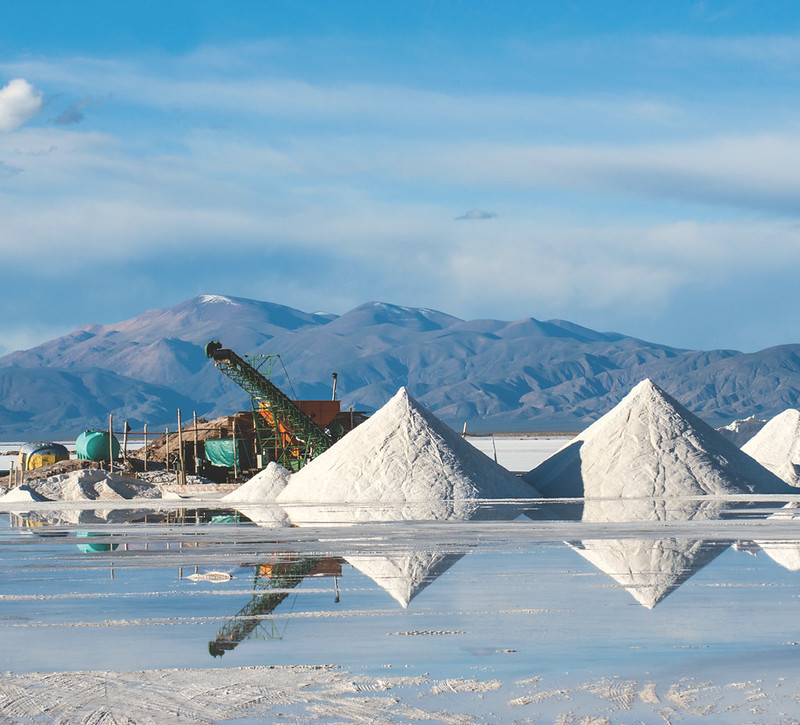
Lithium mine at Salinas Grandes salt desert Jujuy province, Argentina/ EARTHWORKS/ Flickr/ Creative Commons License

The urgent need to reduce global greenhouse gas emissions and transition to an energy matrix centered on renewable energy guarantees a steady demand for lithium, but speculation that South America is on the cusp of a lithium boom is premature. The chemical is critical in the production of rechargeable batteries for mobile devices, electric vehicles, and, increasingly, renewable energy storage systems. The so-called Lithium Triangle of Argentina, Bolivia, and Chile holds just over half the world’s currently known lithium deposits, while Brazil and Peru have large amounts of spodumene hard rock that contains lithium.

  • Lithium in its natural form is part of a chemical compound that requires a complex re-composition process to make, among other things, lithium‑ion battery cells. How it is mined entails significant cost differences. Lithium from the brine below salt flats in Argentina and Chile is currently the most cost-competitive. While Bolivia also has brine deposits, the lithium is less concentrated, contains more impurities, and is found at more difficult-to-access lower depths in the Uyuni salt flats. Accessing lithium in spodumene hard rock pegmatites is even more complicated and hence costlier. The advantage, though, is that this type of lithium synthesizes better with the higher nickel content required to improve electric vehicle performance and range.

The region’s largest producers adopted different approaches to capitalizing on lithium reserves.

  • In 2008, then-President Evo Morales of Bolivia restricted extraction to the state-owned Corporación Minera de Bolivia (COMIBOL) because past commodity boom and bust cycles profited foreigners and left little wealth but plenty of environmental catastrophes and other social ills in their wake. In 2017, lithium extraction was transferred to the newly created Yacimientos de Litio Bolivianos (YLB).  Morales also promoted public-private partnerships to jointly produce batteries and even electric vehicles in Bolivia. The latter echoes a failed Andean Pact initiative during the 1970s in which aspects of automobile production were to be distributed among different member states. The scheme failed because, among other reasons, manufacturing anything in isolated Bolivia was cost prohibitive due to poor infrastructure. Several decades later, logistical realities still make exporting a Bolivian-produced electric vehicle, let alone lithium‑ion batteries, economically unfeasible.
  • Chile, which also deems lithium to be a strategic mineral, imposes onerous production quotas on private-sector producers and requires that they sell 25 percent of their output at preferential rates to domestic downstream buyers. The set-aside provision is designed to encourage manufacturing in Chile of lithium‑ion battery components such as cathodes, hydroxide, and electrolytes. While Argentina is more accepting of private investment in its lithium industry, the country is notorious for recurring economic crises and erratic oscillation in economic policy that make investing in the country a high-risk proposition.

Complicating resource extractive activities in South America are heightened environmental sensitivities. Indigenous communities are well versed in the prior consultation obligation of ILO Convention 169 as well the free, prior, and informed consent requirements of the 2007 UN Declaration on the Rights of Indigenous Peoples. For over a decade now, the continent has seen numerous energy and mining projects blocked and even abandoned because of an actual or perceived failure to adequately consult with detrimentally impacted Indigenous communities. Lithium brine deposits in the Lithium Triangle countries are found in some of the most arid spots on the planet, raising concerns that the water-intensive lithium brine extraction process directly competes with subsistence agricultural activities in nearby communities. This has sparked major road blockades protesting mining projects in Argentina’s Jujuy province and in southwestern Bolivia, as well as court litigation in both Argentina and Chile.

The panorama for the lithium industry in South America is subject to new social and political realities that were not true of past commodity booms. There is little tolerance today for extractive investment projects that are not environmentally sustainable and do not benefit local communities. This trend will accelerate with efforts to turn the voluntary United Nations Guiding Principles on Business and Human Rights into a binding legal treaty. In addition, Environmental, Social, and Corporate Governance (ESG) principles emanating from the UN’s Principles for Responsible Development now make it very difficult for corporate management to push through projects that result in serious environmental damage and human rights abuses.

  • An example of this trend was the announcement last month that Daimler AG, Volkswagen AG, and BASF would join Dutch smartphone manufacturer Fairphone to launch the Responsible Lithium Partnership so that extraction in northern Chile will not negatively affect the sensitive ecosystem or the people who live in the surrounding areas.

July 14, 2021

* Thomas Andrew O’Keefe is President of Mercosur Consulting Group, Ltd. and a lecturer with the International Relations Program at Stanford University.

South America: Mounting Tensions, Few Solutions

By Christopher Kambhu*

Protest in Colombia/ Oxi.Ap/ Flickr/ Creative Commons License (modified)

Across South America, calls for structural change have re-emerged on the streets and at the ballot box, but governments face many obstacles to constructively address them. These calls are a continuation of region-wide protests in 2019, when citizens demanded reforms or rewrites of the existing social contract to address various political, economic, and social inequities. While government pandemic measures pushed protestors off the streets throughout 2020, the pandemic has highlighted and exacerbated the inequities that prompted protests.

  • Inequities in Colombia have sparked nationwide social conflict. Protests against a proposed tax reform have broadened into demands for a basic income and accountability for security forces accused of killing dozens of protesters. Most protests have been peaceful, but radical groups have created “autonomous zones” free of police presence and established roadblocks, causing goods shortages in major cities. Negotiations between the government and protest leaders have yet to gain traction. President Ivan Duque’s approval rating has plummeted to historic lows as he appears unable to meet the moment. Backlash against demonstrators is emerging, with some wealthier residents violently repelling protestors from their neighborhoods.
  • In Ecuador and Peru, citizens have used the ballot box to voice their frustrations, leading to surprising electoral outcomes. Guillermo Lasso, Ecuador’s new center-right president, has formed a governing coalition with indigenous and social-democratic parties that are the second and third largest in the national legislature (Lasso’s party is the fifth largest). In Peru, provincial teacher and union leader Pedro Castillo has narrowly won June’s presidential runoff over Keiko Fujimori, the daughter of a controversial former president convicted of corruption and human rights abuses. Castillo’s far-left party, which began contesting national elections only last year, is now the largest in Peru’s legislature, but needs to forge complex alliances to govern effectively.
  • Chile took a different path. Under intense pressure, the government acceded to popular demands for a constitutional rewrite. A national plebiscite last October assented to the rewrite by a wide margin, and elections for the Constituent Assembly in May demonstrated widespread rejection of the current elites. Most members are political independents or newcomers; a sizable number rose to prominence during the initial wave of protests in late 2019. The membership has gender parity, a first for such a body, with 11 percent of seats reserved for representatives of indigenous groups.

Efforts to forge new social contracts are difficult at best and each path faces obstacles to success. Colombia’s current political leadership appears unable to calm tensions, and voters must wait until national elections next year to elect new leaders. While demands for change in Ecuador and Peru have elevated some candidates and parties to unprecedented success, sharp ideological divisions and partisan fragmentation in both legislatures appear likely to limit potential reforms. Castillo’s mandate is tenuous and weakened by Fujimori’s rather Trumpian allegations of fraud and attempts to throw out ballots. In Chile, the ideological diversity of the Constituent Assembly could very well preclude it from reaching the required two-thirds majority needed for any proposal to enter the new Constitution, which will be put to a national referendum in 2022.

  • The inequities exacerbated by COVID-19 and a busy electoral schedule will keep reform issues at the forefront of political discourse; these debates will likely intensify with 11 countries across Latin America holding national elections over the next 18 months. While upcoming elections offer a timely opportunity for citizens to push their countries in new directions, governments will face political, fiscal, and social challenges which threaten implementation of any proposed reforms. At this early stage in the region’s electoral supercycle, political leaders have yet to capably address their citizens’ demands.

July 7, 2021

* Christopher Kambhu is a Program Coordinator at CLALS.

South American Megacities, Water Scarcity and the Climate Crisis

By Robert Albro*

Drinking water distribution/ MunicipioPinas/ Flickr/ Creative Commons License

Access to fresh water has become a regular flashpoint throughout Latin America, particularly in its largest cities, and threatens to trigger tensions and even war. Sixteen of the region’s 20 largest cities are experiencing water-related “stress,” and three of its largest – Sao Paulo, Lima, and Mexico City – are in danger of running out of water completely in the near future, according to reliable sources.

  • In 1995 World Bank vice president Ismail Serageldin presciently warned that future wars would be fought over water. The 2000 Water War in Cochabamba, Bolivia, kicked off an era of social mobilization around chronic water shortages and control over access to fresh water. Protests against the privatization of water have become common – in Colombia in 2013, Ecuador in 2014, Brazil in 2015, Chile in 2016 and 2019, Peru in 2019, and Mexico in 2020, among others.

Water challenges faced by some of South America’s megacities show that the urban water crisis is a wicked problem with no straightforward solution.

Lima: Peru’s capital is the second largest “desert city” in the world, after Cairo, receiving an average of 0.3 inches of rain annually. The coastal area in which it sits has 62.5 percent of the population but only 1.8 percent of its fresh water. It depends largely on three rivers fed by rapidly shrinking Andean tropical glaciers, reduced by 40 percent since the 1970s. As the glaciers vanish, water stress is expected to become “critical” for the more than 10 million inhabitants of Peru’s capital by 2025. Peripheral barrios are already significantly affected: An estimated 1.5 million of Lima’s residents already lack access to potable water. Shrinking glaciers are expected to dramatically worsen water inequality in many Andean cities, including Quito in Ecuador; Arequipa, Huaraz and Huancayo in Peru; and La Paz-El Alto, Cochabamba, Oruro, Potosí and Sucre in Bolivia.

Sao Paulo: In 2014, the worst draught in 250 years left Latin America’s second largest city less than two weeks away from running out of water, with reserves at 3 percent of capacity. Emergency rationing led to protests, and in 2018 it almost happened again. Brazil has more fresh water than any country on earth, but half is in the Amazon, where only 4 percent of its population lives, and deforestation in the Amazon – a giant water pump – reduces rainfall in Sao Paulo. The city’s watershed is also being deforested, ecologically degraded, and contaminated with large amounts of industrial wastewater. Its freshwater infrastructure is ill-equipped to handle these multiple stressors. Other Brazilian cities, including Rio de Janeiro and Belo Horizonte, face similar problems.

Santiago de Chile: While Santiago currently has adequate water and infrastructure for storage, treatment and distribution, underground aquifers are being depleted faster than they can be replenished, and climate change has introduced a destructive cycle of floods and droughts. The city’s water availability is expected to decline as much as 40 percent this century, and the urban population continues to grow. Oversight bodies have little influence over how water is delivered, compounded by extreme administrative fragmentation and poorly managed participatory reform efforts. High prices and poor service by the city’s privatized water company were a rallying cry of protesters in 2019. Improved water governance, along the lines of what Medellín, Colombia, has achieved, is possible and can dramatically improve water access and quality. But Santiago has much work to do.

In theory Latin America should not be experiencing a water crisis because it has 30 percent of the world’s fresh water but only 8 percent of its population. But it is highly unevenly distributed and concentrated in places where few people live. Glacial melt, deforestation, and inadequate water governance are all factors in why urban water scarcity has become a wicked problem.

  • Adding to the misery, as agricultural economies throughout much of the region collapse as a result of changing climatic conditions, urban in-migration is a continuing challenge. Combine this with poor and neglected infrastructure, unregulated industrial pollution, high levels of freshwater contamination, increasing social contestation around water access and management– and the problem looks daunting. Where Latin America’s urban water crisis is concerned, climate change is neither straightforward nor a stand-alone proposition, but rather part of a complex set of urgent crises that will require especially creative and imaginative problem-solving in the years to come.

February 9, 2021

* Robert Albro is an anthropologist and Research Associate Professor at CLALS.

U.S.-Latin America: Who Can Learn from Whom about Elections?

By Todd A. Eisenstadt*

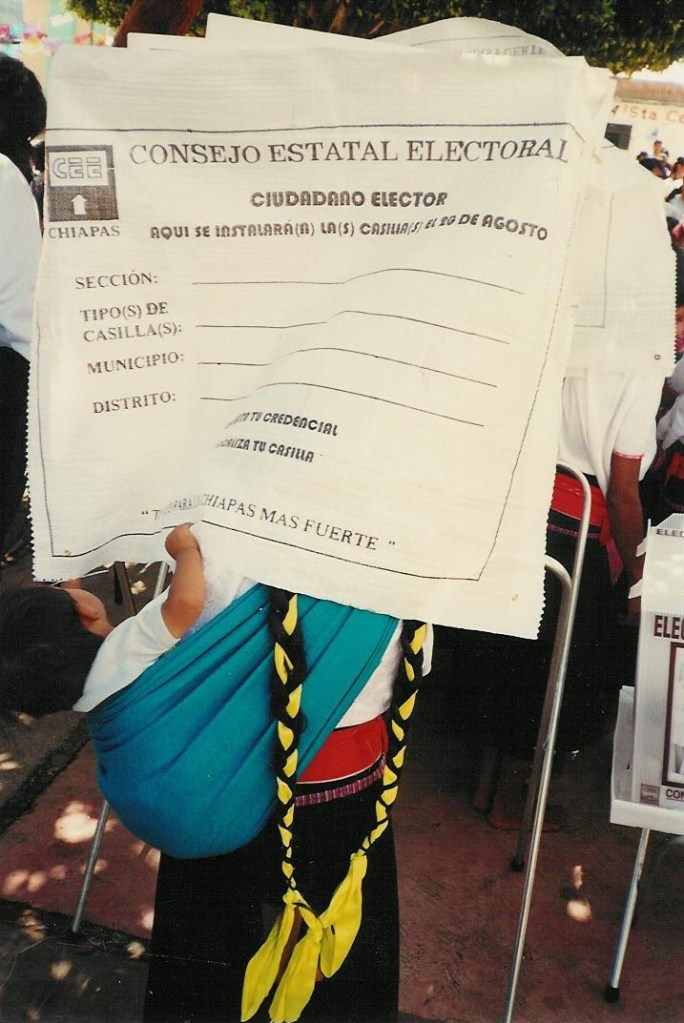
Polling station in the outskirts of San Cristóbal de las Casas in Chiapas, Mexico, during the 2003 gubernatorial election in Chiapas.
Polling station in the outskirts of San Cristóbal de las Casas in Chiapas, Mexico, during the 2003 gubernatorial election in Chiapas./ Dr. Todd Eisenstadt

The irony of an increasingly probable electoral crisis in the United States this year is not lost on observers in Latin America, who have endured multiple challenges to the legitimacy of elections for decades – nor is the irony that the United States could learn from the region’s hard, if still incomplete, lessons in democracy. U.S. President Donald Trump’s efforts to raise doubts about the fairness of the November 3 elections have been reported widely in Latin America. Citing unknown sources and unconfirmed events, he has alleged massive voter fraud and predicted court challenges so serious that, he said, it’s especially urgent that his nominee to the Supreme Court be seated immediately.

Such ominous-sounding challenges to elections are not new to most of Latin America. Mexico is not unique in this regard, but I saw its whimsical and exotic election frauds closeup in the 1980s and ‘90s as an international elections observer.

  • In the razor-close 1988 election, the lights went out during the vote count, and by the time they came back on the renegade outsider leftist had lost his lead against the PRI’s candidate. Political operatives called mapaches (“racoons” because they worked only in the dark), breakfast bribes (called Tamale Operations), and voters who made the rounds all day long to cast ballots in different precincts (carruseles or “carrousels”) were common. Crazy Mouse, named after the board game, was a scheme in which opponents of the PRI were sent from precinct to precinct only to be told they were to vote across town. Similar tricks, as well as intimidation, have been common in many other countries. Latin Americans are accustomed to wondering whether the military will have to escort a president who loses an election out the door, but it’s a totally new point of speculation for the U.S. population.

Although still far from perfect, Mexico and other Latin American countries have improved their elections. The unwritten code among political bosses in Mexico has long been to not ruin national institutions (like the postal system) or invite foreign interference (like Russian manipulation of public opinion). But other steps signal a shift away from zero-sum political games.

  • Since the 1990s, post-electoral negotiations to mollify the victors’ opponents – “keep them in the game” rather than make them a destabilizing force – gave them perches from which to eventually mount legal challenges, including rightist Vicente Fox (an interim governor who later became President) and current President Andrés Manuel López Obrador. The U.S. Supreme Court in 2010 in Citizens United reduced regulation of campaign donations, but Mexico has limited campaign finance and TV advertising. It has encouraged the independence of electoral institutions and set federal standards in all 32 states, which have one voter list matched against one voter ID per citizen – rather than 50 states and 3,000 counties with different criteria. Electoral observers are trained about citizens’ rights and responsibilities, not mobilized out of distrust for the system or to intimidate voters.
  • Since the turn of the century, most Latin American countries have put greater emphasis on the rule of law and tried, albeit inconsistently, to address economic inequality and other threats to democracy and stability. They have also learned the hard lesson that sometimes “dirty elections” must be cleaned through broad citizen mobilization with the support of national and international leaders. Some observers wonder whether the Black Lives Matter movement will expand and evolve into a mobilization akin to the cacerolazos in Chile and elsewhere in the 1980s that helped galvanize opposition to the dictatorships of the era.

The chaos, isolation, and economic pain caused by COVID‑19 make Latin America’s democracy lessons even more pressing for the United States. Voters fear going to the polls and are anxious about trusting balloting systems, such as mail-in voting, that President Trump is trying to delegitimize. The U.S. military, wittingly or not, mobilized troops to support the President’s suppression of civil protests. U.S. voters are in unfamiliar territory.

  • The hemisphere is watching closely if – and how – El Norte figures out how to exorcise the fears and the doubt that are undermining its democracy. Bringing in a slew of smart and seasoned international election observers from Mexico and elsewhere would be a start. So would learning from the Mexican opposition parties how to subvert expediency, especially in the time of COVID, in favor of longer-term discipline for democratization.

October 6, 2020

* Todd A. Eisenstadt teaches political science at American University and is author of several books on democratization, including Courting Democracy in Mexico: Party Strategies and Electoral Institutions, for which he observed over a dozen local and national elections there.

Regionalism in the Time of Coronavirus: The Only Way Forward?

By Leslie Elliott Armijo*

Coronavirus Latin America

Map of the COVID-19 outbreak in Latin America as of 30 April 2020/ Pharexia/ Wikimedia Commons (modified)

To overcome the multiple challenges of the COVID‑19 crisis, Latin America’s leaders will need to build regional cooperation around pragmatic solutions – an elusive goal for countries with a legacy of disunity and weak collaboration. The coronavirus has hit at a moment of economic vulnerability. Regional growth averaged only 1.9 percent in 2010-19, worse than in the “lost decade” of the debt-crisis 1980s (2.2 percent). Labor productivity, which in 1960 was almost 250 percent of the world average, has fallen steadily in every subsequent decade, and in 2019 sat at a mere 90 percent of the global mean. Persistent squabbling among Latin countries has meant that major global trading states, including the United States and more recently China, could dictate the terms of bilateral trade and investment agreements in ways that favored these larger powers.

  • In negotiating global trade, Latin America and the Caribbean have shown little shared identity or cohesion, whether as a region or as sub-regions. As of late 2018, as global value chains coalesced around three regional hubs – China/East Asia, U.S./North America, and Germany/European Union – Mexico, Central America, and the Caribbean were linked to the U.S. but lacked bargaining power to seize more advantageous positions vis-à-vis the United States. South America has deindustrialized since the turn of the century, returning to its historic role of commodity exporter to all three hubs. Intra-regional trade as of 2017 was only 22 percent of all Latin American trade and had fallen since 2013.
  • This is a shaky foundation from which to face the health and economic challenges of COVID‑19. The IMF’s scenario, which assumes an optimistic return to business mostly-as-usual in the third quarter, predicts a contraction of GDP in 2020 of 5.2 percent in the region, driven by brutal collapses in the two largest economies, Brazil and Mexico, of -5.5 and -6.6 percent respectively. The extra-regional markets for Latin America’s exports certainly will shrink due to both short-term reasons of global depression and longer-term ones of enhanced economic nationalism abroad. Remittances and tourists from the U.S. and elsewhere will not return to their previous numbers for a long time.

A coronavirus-solidarity virtual summit last month showed that some regional leaders realize the need for joint action. Nine of 12 South American presidents participated, although Brazilian President Jair Bolsonaro – who has made intemperate and dismissive remarks about his fellow leaders – gave his seat at the video conference to his foreign minister, Ernesto Araújo.

  • Argentine President Alberto Fernández participated despite Bolsonaro’s snub (including on previous occasions) and his previously chilly relations with the sponsoring body, PROSUR, founded in 2019 by center-right Presidents Iván Duque of Colombia and Sebastián Piñera of Chile as an explicit counter to the pre-existing regional body, UNASUR, which leaned left during the presidency of Bolivia’s Evo Morales (now in exile in Argentina). In so doing, Fernández demonstrated the pragmatism and understanding that Latin American and Caribbean leaders often eschew: if you want to solve policy challenges, you must maintain dialogue with people with whom you disagree.

If there is any light at the end of this tunnel, it could be psychological, as crises tend to focus minds. The disruption in international relations beyond Latin America probably will accelerate the move away from the post-Cold War “unipolar moment” and fuel domestic economic nationalism that will shake up the three major global trading hubs – a reorganization in which the region could redefine its place. In this scenario the best defense for Latin America is a strong offense. As Alicia Bárcena, Executive Secretary of the UN’s Economic Commission on Latin America and the Caribbean (CEPAL), said recently, the region’s resilience likely depends on “investment in strengthening regional production chains” to create “complementarities in production structures and regional integration.”

  • Diplomacy enables states to share knowledge and engage in collective action to meet real cross-border challenges, including those of the current crisis. Regional solidarity does not require headquarters buildings, formal treaties, and summit pageantry, nor even similar domestic political systems. The considerable achievements of the loose, informal clubs known as the G7, the G20, and the BRICS prove the value of cooperative models that need not boast costly institutional scaffolding. The Association of Southeast Asian Nations (ASEAN), formed in 1967 by 10 countries that were at least as mutually suspicious of one another as they were of China, provides another lesson about somewhat effective regional cooperation that Latin America would do well to note.

April 30, 2020

* Leslie Elliott Armijo is an associate professor at the School for International Studies, Simon Fraser University, Vancouver. Her most recent book, coauthored with C. Roberts and S.A. Katada, is The BRICS and Collective Financial Statecraft (Oxford University Press, 2018).