Julia Lisco, Researcher at American University’s Center for Latin American & Latino Studies and the Immigration Lab, International Affairs Policy Analysis in Global Migration MA candidate
Image by Julia Lisco of her and her family in Scotland kits with a Scotland flag at the June 6th, 2026, Scotland v Bolivia FIFA World Cup 2026 warm-up game.
Singing and soccer are so deeply intertwined; they exist at the core of sports fandom. Throughout a game, crowds will sing songs, often with altered lyrics, in support of a player or to express their discontent with the actions on the field.
Occasionally, chants are politically informed, particularly at the national-team level, even at the World Cup despite FIFA’s attempts to prohibit political statements. These policies did not stop politically charged chants from ringing out among the fans after kick-off across several matches.
Australian Fans and Current Politics
Australian fans drew international ire with their chant, crafted specifically for this World Cup. Cries of “Aussie boys are on a bender, Donald Trump is a sex offender” echoed in stadiums, pubs, and across America and Canada. The chant is believed to be in reference to the President’s alleged relationship with convicted sex offender Jeffrey Epstein, and his inclusion in the Epstein Files.
Argentina and Historical Memory
Argentina is infamous for its political and anti-English chants, even when they are not playing England. In The Five-Minute Ritual, I discuss their 2026 semi-final clash, the hostility that permeated the match, and the Falklands context, but the hostility was not contained to these events.
The 1982 Falklands War is frequently referenced in Argentinian songs. One of the most famous Argentinian football chants, regardless of tournament or opponent, is “Y ya lo ve, y ya lo ve, El que no salta, Es un ingles!” (“And now you see, and now you see, whoever doesn’t jump is English!”), which is sung while fans across the stadium jump in unison.
After Argentina beat Switzerland on July 11, 2026, in the quarter-finals, videos were posted online of players singing: “Por Malvinas, por el Diego, por la ultima de Leo” (“For the Malvinas [The Falklands], for Diego [Maradona], for Leo [Messi]’s last one”) from the locker room; and in 2022, while on the hunt for the World Cup trophy, several long chants included call-outs to the war and berating the English.
This animosity is healthily returned by English fans. Enzo Fernandez, a high-profile Argentinian player, has played in England since 2023. Just after the World Cup concluded, the player completed a high-profile, €100 million transfer from FIFA Club World Cup Champions Chelsea to Manchester City, who have won the Premier League six times since the 2017-2018 season. During his debut for the club on September 5, 2026, at home against Coventry City, the crowd rang out with a new custom chant for the player. This is not unusual for new players, but generally songs are focused on the player, and not political commentary. “The Falklands are ours, the Falklands are ours. Enzo Fernandez, the Falklands are ours” was sung so loudly that it was clearly heard over the television broadcast, despite match commentators speaking over the feed.
Scotland and National Identity
Smaller and lower-ranked nations throughout the tournament repeatedly dominated the hearts and minds of fans, regardless of the proportion of fans in the stands. One of these nations, despite not progressing out of the group stage, was Scotland.
Interestingly, Scotland’s participation as an independent nation in international sports is not fully representative of its nuanced legal status. Scotland’s status is legally complex; it is an independent nation with “devolved and reserved powers,” and significant essential infrastructure is controlled by Westminster, including defense, military, border enforcement, and currency (they use British Pounds, but they do have their own Scotland-specific notes which can be used across the UK interchangeably).
Only in the Olympic Games does the United Kingdom compete as the joint entity “Team Great Britain.” Otherwise, the UK member states, including Scotland, compete as independent entities. This is due to specific regulations that grandfather them, and a few other territories, like Puerto Rico, into international competition qualification. When Scotland qualified for the World Cup for the first time since 1998, they did so as an equal to England, to whose political authority they’ve been subject for centuries.
Scotland fans were extremely excited to return to the World Cup and support their entire team against Brazil, Haiti, and Morocco. Nowhere was this passion as evident as during the playing of the national anthem. As part of the UK, Scotland does not have its own legal national anthem separate from “God Save the King”; instead, “Flower of Scotland” is the unofficial national anthem, which is sung before every Scotland game, regardless of sport. When Flower of Scotland rings out before a match, a nation with a complex international designation gets two minutes where Scottish national pride is central without the shadow of England.
Scotland never expected to win the tournament, but for those three matches, every Scotland fan around the world reveled in those few minutes. In unison, millions would profess their love for their country and their team, manifesting the love these teams carry for their fans and countrymen around the world in a display that is more than just meaningless ceremony. I did not get to experience Scotland’s World Cup campaign in person, but I did attend their final pre-tournament match against Bolivia on June 6, 2026, and I dare say few nations sing their national anthem as passionately as the “Tartan Army,” particularly one of the song’s final concluding phrases, “But we can still rise now, And be a nation again…”
With the referendum of understanding between Scotland, Northern Ireland, and Wales signed on September 14, 2026, in which each government’s First Minister confirms they will call votes for independence from Westminster’s authority, this statement may ring true sooner than most Scotland fans may have believed during the tournament.
Julia Lisco, Researcher at American University’s Center for Latin American & Latino Studies and the Immigration Lab, International Affairs Policy Analysis in Global Migration MA candidate
Image by Julia Lisco of her and her fellow FIFA World Cup 2026 Pre-Match Ceremonies on the pitch during the playing of the national anthem proceeding the Panama v England game on June 27th, 2026.
In his book, Imagined Communities (1983), Benedict Anderson discusses the power and practice of “unisonance” (p. 145) that emerges when communities sing their national anthems. He elaborates that nations are built on words, and that regardless of the “banality” of national anthems’ lyrics and melodies (p. 145), it is the history and community that these songs create among groups of individuals.
In sports, national pride is not just a consequence of international play but an integral part of the 2026 FIFA World Cup. Before every match, there is a moment where this national identity is explicitly highlighted: the Pre-Match Ceremony in which the national flags of both teams are presented. Players walk onto the pitch behind their flag, and tens of thousands of people sing their national anthem in unison. This ceremony happened 104 times over the course of the tournament, and despite any outside or historical tensions between teams, and the vitriol that politics has embraced in recent decades, only two matches saw any form of disrespect during this process. For a few minutes, all outside noise was put aside 102 times, and instead stadiums full of people from all over the world gathered and basked in their love and pride for their team. Meanwhile, their opponents respectfully stood by and shared in their excitement for the match to begin.
The two games where this ceremony played out abnormally were Iran’s opening match against New Zealand on June 15, 2026, and England vs Argentina’s semifinal clash on July 15, 2026. These were two very different instances of “unsportsmanlike behavior”
Islamic Republic of Iran v New Zealand
Tensions around the Iranian national team were already high prior to a single ball being kicked due to the conflict between the USA, one of the three host nations, and Iran, preceding the opening ceremonies. Donald Trump threatened to prevent the team’s entry to the U.S. altogether, and ultimately forced the team to move their headquarters from the U.S. to Tijuana, Mexico, and made them leave the country directly after the conclusion of their games; a requirement no other team faced, and which significantly interrupted player recovery processes.
By match day, sentiments surrounding the Iranian team resembled a powder keg. Diaspora groups who, due to immigration bans, made up most of the in-person supporters were divided in their support for the team. This was largely informed by their families’ experience with the Iranian Revolution and the regime that followed. CNN interviewed an Iranian community soccer team in California, where the Iranian team’s World Cup campaign would begin, and they said they did not feel “represented” by the team.
Inside the stadium, strict rules were in place to prevent the presentation of political materials, including the use of pre-revolutionary flags and imagery. It’s extremely common for fans to bring national flags to national team football games, blanketing themselves and the stadium in their country’s colors. Despite guidance suggesting otherwise, several pre-revolutionary flags made their way into the stadium, with some fans reporting it was easy to get them in.
When the national anthem was played and the current regime’s flag was unfurled, it was largely Iranian fans brandishing pre-revolutionary flags who expressed discontent, not the opposing New Zealand fans. Rather than an action of intercultural conflict and disrespect, this was instead a political protest by a disenfranchised section of the diaspora taking the opportunity to make their voice heard globally, and by their homeland’s government.
England v Argentina
Fittingly, two of the most hated teams in international football met in the semi-final. Tensions were high, and not only do they share a soccer rivalry, but they also share a tense geopolitical history. When the national anthems were projected into the stadium prior to kick-off, boos and otheractsof disrespect were littered amongst the prideful singing of both national anthems, and echoes of the Falklands War (a brief conflict in 1982 between the two nations over the long-contested sovereignty of the archipelago 300 miles off the eastern coast of Argentina, that took the lives of about 650 Argentinians and 255 British military personnel) and a decades-long sporting rivalry hung over the match.
Despite FIFA’s prohibition of political flags or signs from entering the stadiums, some Argentinian fans managed to sneak in a sheet with the words “Las Malvinas son Argentinas” (The Falklands are Argentine) painted on it. After Argentina beat England 2-1, several players paraded around the pitch with the flag, celebrating while pridefully dancing with it on international TV. These actions, combined with the physical altercations following the final a few days later, resulted in a $321,000 fine.
I had the honor of participating in the tournament as an on-field Pre-Match Ceremony volunteer for six matches, playing a critical role in the execution of the flag presentation for the national anthems. The events of these matches are not representative of the whole tournament and the love that filled the pre-match ceremonies of every other game. Soccer is already an emotional sport, so it is only natural that emotions like these seep into these moments of passion. I got to feel this firsthand from the field of play, and there is nothing like it. Sport does not happen in a vacuum, but for 98% of the tournament, national anthems remained a sacred space of love and national pride.
Visas, Belonging, Unaffiliated fans, and the 2026 World Cup
Julia Lisco, Researcher at American University’s Center for Latin American & Latino Studies and the Immigration Lab, International Affairs Policy Analysis in Global Migration MA candidate
Image by Julia Lisco of the June 14th, 2026, Ecuador v Côte d’Ivoire FIFA World Cup 2026 game, with a Team USA jersey visible in the crowd.
With exorbitant prices required to attend the matches due to dynamic pricing and the extensive immigration bans instituted by the US, many fans were unable to make the expensive pilgrimage to witness their national team compete in the 2026 FIFA World Cup.
Of the 48 participating countries, only a handful had a 100% success rate for fan visa applications, disproportionately excluding smaller and poorer nations. Canada was also extremely strict when issuing visas for both players and fans. While soccer may not be the most popular sport in the U.S., it does have something that made it uniquely equipped to welcome the world: vast and diverse diaspora communities. In fact, it was largely diaspora communities that filled the stands and made up the heart of the tournament.
Many diaspora communities have complex relationships with their homeland; often separated by generations, political ostracism, or forced relocation, bringing with it a host of complex emotions. As Daniel Alarcón discussed on The Athletic’s“Pablo Torre Finds Out” podcast in June 2026, supporting one’s national team is often a less emotionally complicated way for diaspora members to connect with their homeland without the socio-political baggage that comes with other attachments and the history they carry.
The homeland relationship is complicated, but diasporas overwhelmingly brought their hearts to the tournament and made every team feel like they had a bit of home with them. But it wasn’t just diaspora members and local fans filling the stands.
As was the nature of ticket sales for this tournament, many fans, eager to pay the cheapest rate, committed to matches not knowing who would be playing, only the time and location of the match. This led to significant portions of every stadium being made up of observers who held no particular affinity or affiliation with either nation. Some would select a side to support for the day, letting themselves get wrapped up in the energy, while others, refusing to wear a jersey for any other nation, would wear their team’s shirt to the match, despite them not playing.
Ecuador v Côte d’Ivoire
I was one of the many fans who secured tickets to a match without knowing who would play. That game ended up being the June 14th, 2026, Ecuador v Côte d’Ivoire game. I didn’t have any loyalty toward either team, and, not wanting to spend a small fortune on a jersey for either, I wore the Scottish Women’s new alternative shirt to the game. Once in my seat, directly in front of me was a group of men in various USA jerseys. Throughout the stadium, I also noticed many people wearing Colombia jerseys, which look extremely similar to the Ecuador shirts, both sharing a similar solid yellow base. Once I saw one, I saw many, and I was nowhere near the only person in a non-represented team’s jersey.
On the way to the stadium, which was, by my estimation, roughly 85% (at least) filled with Ecuadorian fans, we were swept up in their songs on the subway. Once in the stadium, during the national anthem (as for all matches), the lyrics are displayed on the jumbotrons, and my family, surrounded by Ecuadorian fans, joined right in in their joyous rendition of Salve, Oh Patria, pulled into the expression of their passion for their country and team.
This is not to say that there weren’t many genuine Ecuadorian fans in the stadium, while Côte d’Ivoire supporters made up a passionate minority. The disparity in the stadium between the number of fans for this match is twofold. The Ecuadorian diaspora is one of the largest in the New York metro area, and Philadelphia Stadium (more commonly known as Lincoln Financial Field when it’s not being rented by FIFA), where the match was played, is an easy day trip for the passionate community, drawing significant numbers of genuine Ecuadorian fans.
The second factor contributing to disproportionate attendance is visa restrictions. At the time of the tournament, Côte d’Ivoire had been subject to a visa ban since December 16, 2025, severely limiting possible entry for fans from the small African nation, even if they were able to secure tickets. Meanwhile, Ecuador has not been subject to any country-specific visa restrictions under the Trump administration.
France v Senegal.
One of the most anticipated matches of the tournament was France v Senegal on June 16, 2026, largely due to their shared long colonial history. Senegal was one of the many countries affected by the immigration restrictions; meanwhile, France was one of the few whose fans faced no specific legal restrictions, yet this could not be felt in the stadium.
Unlike the Ecuador match, I was in the stadium as an on-field Pre-Match Ceremony volunteer, standing along the edge of the Senegalese flag on the pitch while more than 80,000 people passionately sang the French and Senegalese national anthems. The stadium was overwhelmingly decked in blue France jerseys (with most unaffiliated fans backing the 2018 World Cup champions, and large Francophile diasporas in the New York Metro area populating the stadium), but when the national anthems were being sung, that discrepancy completely melted away, with Senegalese fans singing just as loudly as the French fans.
I’ve never seen such expressions of pure joy and excitement as than I did at the matches I got to attend as a fan and as a volunteer. National identity and pride are complicated concepts for many to reconcile within themselves, but when applied to sport, much of the weight of history is lessened, and for a moment people get to embrace the joy, whether it’s for their country or for the love of the game.
Catherine Grau, Research & Data Coordinator of the Immigration Lab
Ernesto Castañeda, Director of the Center of Latin American & Latino Studies and the Immigration Lab
This is an excerpt from an upcoming book, A Mountain of Dreams, an ethnographic exploration of unaccompanied youth migration to the United States between 2019-2022. This project centers a small community of new arrivals in the DC area as they navigate new adulthood, immigration law, and complex relationships.
Note: Names have been changed where needed for interviewee privacy
Photo of cane field on fire in Central America, taken by Catherine Grau.
As the weeks stretched into months, even Sol stopped asking when her father was coming home. Her younger brother was still in diapers. Her mother had been working in the nearby city of La Libertad, El Salvador but she wasn’t making enough to support three kids on her own, so she moved further away. “For a long time, my mother had to go work in the big city, in San Salvador,” Sol expressed. Her mother explained that she was going to find work in the big city and send money to Sol’s sister for anything that they might need. She blinked the tears away as her mother explained why she had to leave, that Sol’s father wasn’t going to live with them again right now, and that her sister was going to be just like her mother and do all the things that her mother wouldn’t be able to do anymore. It made Sol sad to see her mother go, but she thought she understood. Her mother would come back; she just couldn’t be home right then.
Sol remembered, “I got a little bit used to the fact that my mother was gone, but the situation changed because I had my little brother. Now he was the one who was crying when she was gone, it was him who was sad. I felt really, really bad watching him, and aside from that I felt bad seeing that my sister was responsible for both him and me, basically she had to raise us”[1]. They were forced to start acting like adults at a young age. “At that time my sister was fourteen, and well, my brother, older sister, and I lived alone. To be honest, it was very difficult.”2 Her sister tried her best to take care of young Sol and their baby brother. Every morning, Sol’s sister combed her hair before she met her friends for the long walk to school. Her sister stopped attending school.
It was only in the years after her mother left that Sol began to understand how alone she and her siblings really were. They lived in the countryside; their nearest neighbors were little more than distant shapes beyond the fields in the morning. Three children living alone in an isolated house was not a secret that they wanted anyone to discover. They shuddered at each rustle in the sugarcane fields and shrank from the window as slow-moving trucks spat dusty gravel toward their door. For years, Sol and her siblings spent each night waiting anxiously for the morning to come. Eventually, Sol’s mother returned from the big city. Her worn sandals searched for open dirt along the overgrown footpath that led to her children. The door swung open, the barricade forgotten in a corner. Sweet words, small hands, and tight embraces all tumbled together. Once, Sol had been too small to wrap her arms around her mother’s shoulders. But she had grown in the years that had passed. They stood together awkwardly, all four of them, uncertain where one hug ended and the next should begin. The stars seemed a little brighter that night, and the whispers of the sugarcane field seemed a little further away. Then one morning, Sol watched her sister fold the same blouse that she always wore to church. Instead of putting it where it belonged, her sister packed it into a small bag. Sol was confused. Her sister said that she was going to live somewhere else. She said she was sorry. She promised that it was still going to be okay. She said that she would miss Sol very much. She kept talking after that, but Sol never heard what she said. Her ears felt as if the ocean was inside them.
Mothers were supposed to leave for work. Sisters weren’t supposed to leave at all. The bag she was holding looked much too small to carry Sol’s world away. The tears were back, and they wouldn’t stop coming. “When she left, I felt like I lost my other half. And that was where it all came spilling out…I cried every day, I was sad every day for a year,”[3] she said. Sol had grown to accept that her father was gone so long ago that the grief had been replaced by a dull ache. She had nodded her head when her mother left and tried her best to understand. But with her sister gone, Sol felt like a stranger in her favorite places. For years, she had fallen asleep knowing that her sister was only one whisper away. Now she wasn’t.[4] The day that her father appeared on her doorstep, the pandilleros had been waiting for him after work. They wanted money that wasn’t his to give. The man with the money was wealthy enough that everyone in the region knew his name. The Mara Salvatrucha knew it too. They couldn’t reach him, but they could reach the men who worked for him. They found Sol’s father first. “The only person that they could contact was him,” Sol remembers learning. “So, one day they stopped him, out of nowhere”[5]. Everything she knew was explained by her mother, who had heard it from her father. “They threatened him. They told him that he had to make the man pay them an enormous sum of money. I don’t know how much it was, but it was thousands and thousands of dollars and if he didn’t do it, my father, his wife–even though they weren’t together anymore–and my siblings and me, they would kill us all. That was how it all started,” Sol explained.
The first day that the men with tattoos looked at her, Sol told herself it was a coincidence and kept walking. She wasn’t sure on the second day, but her feet didn’t stop moving. By the third, they were calling after her. They told her that her father needed to pay. She kept walking. They told her they weren’t asking. She kept walking. The ocean in her ears wasn’t there to protect her. She heard every word clearly. There was no glass wall to separate her from them. She didn’t turn around. There was no barricade to protect her. She wasn’t even sure she would make it home. They shouted her name, drawing out the last letter into a leer. She couldn’t breathe. Their footsteps were close. She needed to keep moving. All that mattered was the door. She kept walking. “They told me that if they weren’t paid, before they killed us, they would do things to me…,”[6] Sol remembered. She made it home before she cried. That day and every day that came after, she always made it home before she cried. As soon as the door was barricaded, the tears poured out. She shut herself into the furthest corner and refused to talk to anybody. Sol remembers being more afraid than she had ever been before. The panic attacks came next. She gasped for air, choking on fear and desperation and temporary relief all at the same time. In the moments where her lungs simply refused air, she drew small breaths in a low rattle before the next round of sobs forced out more than she could hope to inhale again. Even as her mind screamed, her body refused to seek solace in the arms of her worried mother. “I didn’t want to talk to anybody. I was afraid, but I didn’t want my family to be more scared than they already were.”[7] Even if her mother hadn’t heard Sol crying, it would have been impossible for her to ignore her daughter’s uniform folded and untouched for days at a time. She knew that Sol had always dreamed of being an architect. But as more and more school days were spent behind a wooden beam at home, they both knew that it was all slipping away. Her first year of secondary school was unfinished. There was no chance for university anymore.
Sol’s teachers never knew what had happened to her. She had been a promising student; she imagined that her teachers would agree. Sol had been among the first to raise her hand when a new question was poised. She sat quietly while her classmates scribbled on the chalkboard and always waited for her turn to speak. Her assignments were always pristine, her uniform neatly pressed, and her words carefully chosen. When her classmates grumbled or folded their arms across their chests, Sol had pressed harder. She had dreamed of a scholarship to university for as long as she had known that they existed. She never missed a day of school. But suddenly, her desk was empty. When attendance was taken, her name went unanswered for weeks. She had never told her teachers about home, so sharing the details of her journey back from school had been unthinkable. By the time she might have wanted to explain or apologize, it hadn’t been safe for her to try. Sol hoped that her grades wouldn’t fall too far with all the assignments she had missed. Of course, if her name disappeared from the roster then it didn’t matter anyway. She wondered if anyone had asked about her. Maybe they just assumed that another empty desk meant another family gone in the night. Sol was still there, hiding in her home. But for all anyone outside knew, she was gone.
The pandilleros laughed as they saw the small family walking down the road to church, sending Sol and her family fleeing back to safety behind the wooden plank. Nothing changed. “You know, in that time we didn’t even think about leaving.” Sol explained, “After insisting and insisting to my father, he finally tried to file a report with the police. And, well, basically the police told him that they couldn’t do anything, that they were sorry, but they couldn’t involve themselves in this”[8].Nothing changed after the police report. Except that the pandilleros burnt the sugarcane fields next to their house. Sol was told that photos of the burned fields had landed in the rich man’s lap with a message that morning. MS-13 wanted silence, and they wanted money. The fields outside Sol’s house were a warning of what would follow if either of their demands remained unmet. “It wasn’t just words anymore,” Sol explained, “they were beginning to act physically…they were already committing actions. And that was when we started to search for alternatives, where to move or what to do, but in El Salvador the gangs are very organized.” Sol knew that their government-issued Documento Único de Identidad cards would prevent them from ever living somewhere that was not controlled by the Mara Salvatrucha. She also knew that moving anywhere controlled by Barrio 18 would mean death. The pandilleros there would see their former municipality printed right below their photos and assume that they were spies. “If we went to another place that also belonged to [MS-13], they would communicate with each other and then kill us,” she said. Their IDs meant that they could never simply disappear into another town. “So, we came to a point where there was nowhere to go in El Salvador, because the police didn’t do anything. The rich man too, he protected himself, but he didn’t protect us. My father didn’t do anything, and we couldn’t do anything”[9].
Sol’s mother called and explained everything to a friend living in the United States. “Thank God, he helped us, he could not pay for us to live in the U.S. indefinitely, but he could help us escape El Salvador if we wanted. We made the decision to accept his proposal, because we were desperate. We had no idea what to do,”[10] Sol remembered. Soon after, Sol, her mother, her brother, and her sister packed their backpacks and left. It was December of 2019, and Sol was sixteen years old.
1. “Pues después de eso, la situación cambió un poco, yo me llegué a acostumbrar un poco a que mi mamá se fuera, pero ahora la situación era distinta, porque tenía a mi hermano pequeño, y ahora él era el que lloraba cuando ella se iba, él que estaba triste, y pues, yo me sentía muy, muy mal viéndolo a él, y aparte me sentía mal viendo que mi hermana estaba responsable de él y mí, siendo ella una niña, básicamente.”
2.“Yo nunca tuve la certeza de si iba a permanecer en un solo lugar en toda mi infancia, y pues era muy triste para mí. Como hija de ellos, ver como ellos discutían y como pasaba todo. Y era muy triste para mí también ver mi mama muy triste ella.”
3. “Entonces, cuando ella se fue, yo sentí como que se fue mi otra mitad, y es donde se derramó todo. En ese tiempo yo estuve, se podría decir llorando todos los días, triste todos los días, como por un año. … Y pues, mi mamá regresó a casa, pero mi hermana fue la que se tuvo que ir, se tuvo que mudar, y pues básicamente yo me crié con mi hermana, y a falta de tener mi figura materna presente todo el tiempo, quien estaba presente para mí era mi hermana.”
4. We interviewed Sol (a pseudonym) in the DMV in 2026 and reconstructed this part of her life as part of a project for the Humanities Truck at American University and a book project we are working on.
5. “Entonces, un día se acercaron a él, así de la nada, entraron y todo. Yo no estaba, yo no presencié eso, pero me lo contó mi mamá, porque él habló con ella. Pero básicamente lo amenazaron. Le dijeron que él tenía que hacer que el señor les dieran una suma muy grande de dinero. No sé cuánto era, pero era una suma muy grande de miles de dólares y que, si no lo hacía, que mi papá, su esposa, me decían ellos que era mi mamá, pero ellos ya no estaban juntas, y sus hijos, que eran mis hermanos y yo, básicamente que nos iban a matar a todos. Y, este, pues para nosotros fue horrible.”
6. “Y empezaban a decirme que, si no les pagaban, de que antes de matarnos que me iban a hacer cosas a mí, ya saben en qué tono, no…lo decían de una forma horrible, sinceramente muy, muy fea. Pues básicamente ellos empezaron a seguirme, a acosarme, a decirme cosas feas, cosas vulgares, y yo me acuerdo de que yo me sentía muy insegura.”
7.“A mí en ese tiempo sí, ahora que me acuerdo me daban ataques de ansiedad. Cuando llegaba a la casa yo llegaba a llorar, me encerraba, no quería hablar con nadie. Porque estaba en yo, que estaba asustada y aparte porque no quería asustar a mi familia más de lo que ya estaba.”
8. “Pues fíjate que en ese momento no pensábamos en migrar, de hecho, en un tiempo, después de tanto insistir e insistir a mi papá, él intentó poner una denuncia, una denuncia con la policía, y pues la policía básicamente dijo que ellos no podían hacer nada, que lo sentían, que es que ellos no podían meterse en eso.”
9. “y ahí fue donde empezamos a buscar alternativas de a dónde movernos o qué hacer, pero en El Salvador las pandillas tenían esto que eran muy organizadas y si tú te ibas para un lado, que era, por ejemplo, era la MS-13, si nosotros nos íbamos para otro lugar que era también de la pues ellos se comunicaban y básicamente nos mataban. Y si nos íbamos a un lugar que no era de la MS 13, sino que de la 18, pues ellos decían que nosotros éramos como espías de ellos y también nos mataban. Entonces llegamos a un punto en el que nos encontramos sin salida en el país, porque la policía no hizo nada, el hombre rico tampoco, él sí se protegió él mismo, pero no nos protegió a nosotros. Mi papá no hizo nada, nosotros no podíamos hacer nada.”
10. “Y mi mamá le contó a un amigo de acá la situación y gracias a Dios, él nos ayudó, nos dijo que él no podía mantenernos pero que nos podía ayudar a salir del país. Y sí, nosotros queríamos venirnos para acá y pues tomamos la decisión de aceptar esa propuesta porque nos encontramos desesperados, no sabíamos qué hacer.
Tens of Thousands of Displaced People are Stuck in Mexico’s Poorest State?
Marshall Plane, CLALS Researcher and the Immigration to New York City Research & Data Coordinator
A Mural in Spanish and Haitian Creole reads: “Sister, believe in yourself, don’t be afraid to start again.”
Note: Names have been changed where needed for interviewee privacy.
At 19, Samantha summoned the courage to leave her abuser, who is a gang member and the father of her three-year-old son. She knew this might also mean leaving her country. “In Honduras, we have so many femicides, and you can’t rely on the police because they’re working with the same gangs who commit them,” she told me.
Yet Samantha’s departure was quicker and more painful than expected: her abuser followed through on his threat to have her father killed, and she was told she had a matter of days before meeting a similar fate.
For decades, people fleeing such situations in Central America have hoped to reach the United States. By May 2026—eight months after leaving Honduras—Samantha instead found herself living in a shelter near Tapachula, a city just twenty miles north of the Mexico-Guatemala border, and navigating the asylum bureaucracy of Mexico rather than the US.
When we spoke, Samantha was spending her days in the shelter’s sweltering backyard caring for her son. Her new partner—who had similarly fled gang violence in Ecuador—worked day jobs in the coffee and banana fields surrounding Tapachula, which sits in the humid coastal lowlands of Chiapas, Mexico’s southernmost state.
“Here I feel trapped,” Samantha told me. “Once the current president is no longer there, I want to go to the United States. I feel that it’s safer there and that there my son will have opportunities to grow, to study, to have a better life.”
Lingering in the shade behind this austere Catholic shelter were dozens of migrants in similar states of limbo. Their unusual visitors—myself and other students visiting Chiapas as part of a two-week migration course organized by Juniata College and the Universidad Autónoma de Chiapas—provided many with a unique opportunity to vent their frustrations.
Throughout our time in Tapachula, the fruits of a longtime goal of US immigration policy—to make the journeys of northward-bound asylum seekers terminate in Mexico—were on full display. This unassuming city of 350,000 has become a kind of purgatory for people fleeing the Western Hemisphere’s worst humanitarian crises. Unable to enter the United States under the second Trump administration’s draconian policies, many have decided that, for the time being, Mexico offers the best available respite from hunger and violence in their countries of origin.
Tapachula is the first city migrants reach after crossing from Guatemala into Mexico. The manager at Albergue Belén, a Catholic shelter, told us that since the 1980s, thousands of mostly Central American migrants have passed through Tapachula each year on their way to the United States. In the early 2020s, they were joined by Cubans, Haitians, South Americans, Africans, and Asians. Olga Sánchez Martínez, director of the shelter Jesús el Buen Pastor, said that spending by northward-bound migrants had long been central to Tapachula’s economy.
A residential area of Tapachula near our hotel.
At the end of 2023, Mexico—at the insistence of the US, which is determined to prevent people from moving northward—began requiring asylum seekers to remain in the city where they first seek asylum while their case is pending. This policy, combined with the closure of the US border, has rapidly transformed Tapachula from a transit hub to a holding ground.
None of the migrants we spoke to described Tapachula, a poor city in Mexico’s poorest state, as their preferred destination. Yet due to its proximity to the border, Chiapas received 66 percent of the 52,000 asylum applications submitted in Mexico in the first nine months of 2025. While their cases are being processed—which now frequently takes upwards of a year—those applicants are bound to Tapachula by the mandatory biweekly check-ins at the city’s Commission for Refugee Assistance (COMAR) office.
Tapachula is now home to an estimated 60,000 migrants in addition to its 350,000 permanent residents. The largest groups are an estimated 20,000 Haitians and 18,000 Venezuelans. Cubans are perhaps the fastest-growing group: they represented nearly half of asylum applications in Mexico in 2025, and that was before a US oil blockade worsened Cuba’s already dire economic situation.
A store called “Mini Bangladesh” near downtown Tapachula advertises wholesale and retail sales of various items, including hats, purses, glasses, and toys.
Due to color and language, Haitians are the city’s most visible migrants. As the sun rose on our first day in the city, I passed two men speaking Haitian Creole while loading cement barrels onto a pickup truck. A sticker on the truck’s rear window read: somosnegritos, peroútiles a la sociedad. We are Black (using the diminutive form of the word), but useful to society.
On our third evening in Tapachula, I spoke with two of the many Haitians who were selling water bottles in the city’s lively central plaza. Both had crossed the border into the Dominican Republic in 2021 as Haiti spiraled into violence following the assassination of its president. “In Haiti there is no safety. There is no president,” said Jonel, the younger man, in accented but fluent Spanish.
“The United States is not helping Haiti to get out of this situation,” added his friend Bernard, noting that the gangs who control most of the capital are armed with trafficked US-made guns.
In 2025, an escalating deportation campaign led both to flee the Dominican Republic to avoid being sent back to Haiti. “In the DR, there is work, but you can’t be calm because immigration [enforcement] is looking for you every day,” said Jonel. “That’s why we crossed the jungle to come here. And well, here, it’s not as racist, but there’s no work.”
Jonel and Bernard both said they left home early each morning to look for construction or farm jobs. When none could be found, they would instead spend the day selling water bottles. “Imagine, you leave home at four, three in the morning. How much will they pay you for a day of work? Maybe 300, 250 pesos [$14.50-17],” said Bernard, who was supporting a wife and two children in Haiti with remittances. He hoped to eventually reunite with them and join his brother in Florida. Jonel, lacking family in the US, said he intended to settle in Tijuana, a Mexican border city where a sizeable Haitian community has emerged in recent years.
We heard these economic frustrations repeatedly during our time in Tapachula. According to Sánchez Martínez, Tapachula’s businesses have been struggling since 2025 as fewer migrants pass through the city and spend money, while the requirement for asylum seekers to stay in Tapachula has swelled the number of people looking for work and housing. Migrants and natives alike said this was depressing wages and increasing rents.
“I’m earning less now,” a Tapachula-born construction worker told me at a brightly lit taqueria near our hotel. “If I want 400 pesos [$23] a day and a Cuban will work for 250 pesos [$14.50], who do you think they’ll hire?”
Our server at the same taqueria, Ángela, was herself a Cuban migrant—one of over one million people who have fled the island this decade amid crippling shortages of food and medicine. Shortly after crossing into Mexico in October 2024, she and her fellow travelers were kidnapped by a cartel. “We were eight. Only three made it out,” she said. Ángela avoided a grisly death only because her aunt in the US helped pay the $5,000 ransom.
Government posters for missing people are a common sight in southern Chiapas. These posters at Albergue Jesús el Buen Pastor feature people from Cuba, the Dominican Republic, Ecuador, El Salvador, Honduras, Jordan, and Venezuela. All were last seen in late 2024.
Without money to continue northward, Ángela began working in Tapachula and was still there when Trump took office. By May 2026, she had married a Mexican man and used her restaurant earnings to help her brother escape Cuba and join her in Tapachula. “We’ll see what happens, but for now I’m content here,” said Ángela.
“Most of us here are migrants,” Ángela told me, gesturing to her coworkers. “She’s Guatemalan, he’s Venezuelan, those two are Cuban, and in the back there’s also a Haitian.” Tapachula’s restaurant and nightlife sectors, she said, had become reliant on immigrant labor.
The relative stability Ángela achieved in Tapachula seemingly felt out of reach to the more recent arrivals we spoke to in the shelters. Once their asylum cases were processed, everyone planned to go to more prosperous locations: Mexico City, Monterrey, Ciudad Juárez, or Tijuana.
Murals depicting people with missing legs at Albergue Jesús el Buen Pastor. The shelter was initially opened to help migrants who were injured while riding atop La Bestia, a notorious train long used by mainly Central Americans trying to evade Mexican migration patrols en route to the US border.
“Nobody wants to be here,” said Diego, a single father who fled Honduras with his three-year-old son in February 2026 when a gang demanded that he deliver drugs along his bus route. Like several other Hondurans I spoke to in the shelters, he said organized crime in the country had worsened to the point of intolerability.
“Here in Tapachula you make up to 300 pesos [$17] a day, and that’s if you find work. In Monterrey you can make 800 pesos [$46],” said Diego. Most of the jobs he found in Tapachula were day-to-day, and like many migrant workers, his promised wages had been withheld multiple times.
“We now see caravans forming on an almost weekly basis, and the main reason is the employment issue,” said the manager of Albergue Belén. “Some people who can’t find jobs here to sustain themselves while they go through the asylum process end up giving up and trying to get to places like Mexico City or Monterrey.”
Sánchez Martínez said the same, and added that cartels had taken to extorting and kidnapping migrants who headed north on foot along Chiapas’s coastal highway. “We beg people not to go,” she said. “Just the other day, they disappeared a group of twelve Hondurans.”
Those who remain in Tapachula rely on support and guidance from two main sources: the large networks of co-nationals that have emerged in the city, and an underfunded but determined collection of NGOs and shelters dedicated to serving its refugee population. One of these is Casa Frida, an NGO that assists LGBT+ refugees. They hosted a panel for our group on our second day in Tapachula.
One of the speakers, Adrián Lozano, had joined the exodus from Cuba in 2024, not long after earning his degrees in theater and journalism. Material concerns put these dreams on hold. “The minimum [monthly] wage in Cuba is 2,500 pesos1. A carton of eggs costs 3,000 pesos,” said Adrián. Medical treatment, he said, is free but sparse: his mother was diagnosed with cancer in early 2024 and faced a years-long waiting period for her treatment, which Adrián suspected was partly due to his own record of anti-government statements.
Adrián’s partner, who had crossed the US-Mexico border in 2023 and settled in Phoenix, helped finance his flight out of Cuba. Due to Trump taking office, Adrián’s journey—and his relationship—ended shortly after he crossed into Mexico. With the help of Casa Frida, he found work as a waiter in Tapachula. His immediate priorities, he said, were to help his mother and younger brother in Cuba buy food, and eventually to bring his mother to Mexico for her cancer treatment.
“I don’t want to denigrate the importance of service work, but I studied to be a writer, a professional,” said Adrián. Tapachula lacked professional opportunities, he said, and he had also faced more homophobia there than he ever had in Cuba. (Another speaker, accustomed to intense homophobia in eastern Venezuela, reported the opposite experience.) Adrián said his dream was no longer to reach the US, but rather to build a career as a television writer in Mexico City.
While he hoped to see the Cuban government fall—even if it required violence or US intervention—Adrián said he did not plan to return to the island, even if things improved drastically. “In Cuba, I was happy, and they say if you were happy somewhere, don’t go back there,” he said.
Another speaker at Casa Frida, Natalie, candidly showed us the deep bruises on her neck—remnants of the abuse she had suffered as a trans woman placed in a men’s prison in Cuba. Lacking relatives abroad who could finance her journey to the US, she instead flew in 2023 to Russia, which allows visa-free entry for Cubans. In Moscow, she saved up money through sex work.
“It was my first time seeing the capitalist world, so I was amazed by some of the things they had. But it was also kind of a scary place to be. They saw me as some kind of exotic symbol,” said Natalie, who identifies as Afro-Cuban. Natalie used her earnings to fly to Nicaragua in 2024, but her journey northward was also cut short by the change in US policy.
Like the other panelists, Casa Frida helped her find housing, submit her asylum claim, and, she said, build a much-needed sense of community with other LGBT+ people. Nonetheless, like everyone I spoke to, Natalie found life in Tapachula constraining. She hadn’t found employment and was still relying on sex work against her wishes. “You know, like everyone, I have my goals, I have my dreams, and I know this isn’t the best place to achieve them,” she said.
I asked where that place was. Without hesitation, she responded that it was the United States. “I want to live a normal life. I want to get married, have kids, maybe start a business,” she said. “And like lots of us who have had to abandon our countries, I believe the United States is the best country to do that.”
“I know it’s not possible right now with this president,” she added. “But nothing in this world is forever.”
A mural outside the UNICEF-funded Solidarity and Hospitality Shelter represents people who have stayed at the shelter with paper planes featuring the flags of their countries. The text on the bottom right reads: “Solidarity is the way.”
Edited by Ernesto Castañeda,Director of the Immigration Lab and the Center for Latin American and Latino Studies, and Catherine Grau, Research & Data Coordinator of the Immigration Lab.
Asked whether they approve or disapprove of the way President Donald Trump is handling immigration, 52.8% disapprove and 44.9% approve, most interestingly many more strongly disapprove (44.6%) than those who strongly approve (30.5%). This comes from a poll of 5,000 English-speaking registered voters conducted between September 9 and September 25, 2026, by the polling organization YouGov on behalf of the Center for Latin American and Latino Studies at American University. It gathered views on a variety of immigration policy-related topics. The margin of error is: +/-1.5%. The pool of participants was structured to be demographically representative of likely voters. White Americans, those living in the South, highly educated Americans, and people aged 65 and over are slightly overrepresented. Because the survey was only conducted in English among registered voters, most of whom voted in the last two presidential elections and midterms, the views of Spanish-only speakers, permanent residents, and non-citizens are not included. The results presented here are, therefore, conservative estimates.
Respondents also differently support the government deporting people in different migration statuses: 37.3% strongly support deporting individuals who are undocumented, 24.8% strongly support people with Temporary Protected Status until recently, while 50.5% somewhat or strongly oppose; 17.7% strongly support while 53.4 oppose deporting those who have applied for asylum; and 59.2% oppose, and 9.4% are unsure, while only 15.5% strongly support deporting those who are in the process of regularizing their immigration status (e.g., renewing visa, applying for immigration relief, a green card, or citizenship).
Respondents report varying levels of familiarity with U.S. immigration programs and policies. Asylum (75.2%) and Temporary Protected Status (TPS) (59.9%) were the most familiar programs among respondents. While only 6.8% were familiar with the Cuba, Haiti, Nicaragua, and Venezuela (CHNV) Humanitarian Parole Program, implemented by the Biden Administration, which allowed eligible individuals from these countries to temporarily enter legally if they had a sponsor in the United States. Awareness is also particularly limited for more recent immigration initiatives, with more than half of respondents reporting being very unfamiliar with Project Homecoming and the CBP Home and CBP One smartphone applications.
Contrary to online discourse, a large majority of respondents support more humane immigration policies, expanded legal immigration pathways, and opportunities for undocumented immigrants to legalize their status. More than eight in ten respondents (85.2%) agree that allowing individuals to leave voluntarily is more humane than deporting them in restraints, with 52.8% strongly agreeing. Similarly, 69.6% supported expanding legal pathways for immigration, while 61.8% support providing undocumented immigrants with a pathway to legal status.
Most people are against mass deportation by force and they share many concerns. The most frequently cite concern is the separation of families during the removal process (43%), followed by the harm caused to individuals being deported (31%), and the lack of a humane or orderly removal process (30%). Other concerns include prolonged immigration detention (26%), costs to taxpayers (25%), and the use of government resources and personnel (20%). Fewer respondents cite the impact on American communities (16%), the country’s international image (14%), or the economy (11%). Only 17% report having no concerns about the current approach to deportation.
A majority of respondents support providing humanitarian assistance to individuals seeking asylum in the United States, however support varied depending on the populations and types of assistance described. Support was highest for providing emergency temporary shelter to individuals fleeing violent conflicts in countries such as Afghanistan and Ukraine, with 69.2% in favor (36.1% strongly favoring and 33.1% somewhat favoring), compared to 20.6% opposed. Similarly, 63.3% supported welcoming programs for individuals and families escaping persecution, regardless of their country of origin, while 63.4% favored temporary shelter and food assistance for asylum seekers from countries experiencing crises, such as Haiti, Venezuela, and Cuba.
Support for proposals involving more extensive assistance to people regardless of country of origin is also popular, with 57.7% favoring temporary housing, financial support, and programming, compared to 30.4% opposed. The lowest level of support is for the current practice of helping white South Africans who self-identify as refugees relocate and settle in the United States. Only 37.9% support this policy, while 41.8% oppose it, and 20.2% are unsure.
A majority of respondents support providing Green Cards to international students who graduate from U.S. universities, a proposal discussed by both major presidential candidates during the 2024 election. Overall, 61.2% express support for the policy, including 33.3% who strongly support it. These findings indicate broad support among respondents for creating pathways to permanent residency for international graduates of U.S. institutions.
Respondents are more likely to support a member of Congress who voted to reduce funding for Immigration and Customs Enforcement (ICE) than one who opposed such cuts. Overall, 41% report that a vote to cut ICE funding would make them more likely to vote for their representative, compared with 33.5% who say it would make them less likely. This represents a 7.5-percentage-point difference in reported voting intentions. Younger people tend to be more likely to support Congresspeople cutting funding for forced deportations. Only 43% of those who identity as republicans, and 47% of those who support Trump are much less likely to vote for a member of Congress who cuts ICE funding.
Although the National Guard has not traditionally been responsible for immigration enforcement, some units have assisted federal immigration authorities, including Border Patrol, ICE, and HSI agents, during the second Trump administration. Despite this limited non-traditional role, 60% of respondents express trust in the National Guard to handle deportations fairly. In contrast, respondents ae more skeptical of Immigration and Customs Enforcement (ICE), with 50% reporting that they do not trust ICE to carry out deportations fairly. These findings highlight notable public distrust of federal immigration enforcement agencies.
Respondents overwhelmingly support Democrats and Republicans working on creating pathways toward citizenship, reducing family separations, expanding asylum protections, and even making deportation more humane and following due process. Voters want both parties to work together to improve the immigration system.
Overall, the findings reveal a notable contrast between political rhetoric that often frames immigration as a threat or challenge and public attitudes that reflect greater sympathy toward immigrants and openness to bipartisan immigration reform.
This survey is based on 5,000 interviews of registered voters conducted by YouGov online. The sample was weighted according to gender, age, race/ethnicity, education, and U.S. Census region based on voter registration lists, the U.S. Census American Community Survey, and the U.S. Census Current Population Survey, as well as 2020 Presidential vote and approximate 2024 Presidential vote based on available results, and party identification estimates based on Pew Research Center’s National Public Opinion Reference Survey. Respondents were selected from YouGov to be representative of registered voters. The weights range from 0.22 to 5.4 with a mean of 1 and a standard deviation of 0.43. The margin of error (a 95% confidence interval) for a sample percentage p based upon the subsetted sample is approximately 1.5. It does not reflect potential selection bias in panel participation in the survey.
Luis Córdova-Alarcón, Director of the Order, Conflict, and Violence Research Program at the Central University of Ecuador
The commander of U.S. Southern Command, Marine Gen. Francis L. Donovan, meets with Ecuadorian President Daniel Noboa on March 2, 2026 in Ecuador. Photo retrieved from Wikimedia Commons.
With U.S. assistance, Daniel Noboa has turned Ecuador into a laboratory for warfare—a space for technological and psychological experimentation led by military power that is reshaping the political, economic, and social order of this small South American nation. This laboratory serves as the primary theater of operations for the “war on cartels” promoted by the Trump administration through the multination coalition known as the “Shield of the Americas.” It is also the testing ground for the “Technological Republic” envisioned by Palantir’s founders, as the state is being increasingly captured by a transnational oligarchy.
As in any laboratory, experimentation is feasible because the environment is controlled. In Ecuador’s case, state and para-state intervention is what is being controlled, while the effects of such intervention trigger key legal and illegal economies that remain beyond control. The use of lethal violence—whether by criminals or the military—acts as a source of power and is used as a mechanism that creates “invisible borders” between individuals and their daily lives.
However, a series of unusual events reveals the misleading nature of the “internal armed conflict” that was declared by Noboa in January 2024, as well as the political use of the “state of war” (1). Two events are particularly significant.
The first occurrence was in early March 2026, when an airstrike with direct support from the U.S. Southern Command was carried out on Ecuadorian soil. On March 3, Ecuadorian and U.S. authorities released a video reporting that they had bombed a suspected camp belonging to the “Comandos de la Frontera” (Border Commandos) in the Sucumbíos province (2). The Ecuadorian government promoted this event as the start of “the next phase of the fight against organized crime” in Ecuador. The day before the strike, the head of the U.S. Southern Command, General Francis L. Donovan, met with Noboa in Quito, Ecuador to announce the launch of joint military operations (3). Two weeks later, an investigation published by TheNewYorkTimes confirmed that the military target that had been bombed was actually a dairy farm (4) and not a camp as had been claimed.
This psychological warfare operation marked the beginning of an “intervention by invitation” that had been in the making for a long time. Its origins date back to 2018, when the Security Cooperation Office at the U.S. Embassy—which had been closed in 2014 under the presidency of Rafael Correa (2007–2017)—was reopened, and efforts began to shape the Ecuadorian government’s security policy.
In the Integrated Country Strategy for Ecuador, approved on September 18, 2018, the U.S. Department of State established the roadmap for the U.S. Embassy in Quito. It states verbatim: “The strategic objective of Mission Ecuador […] is to support the emergence of a government that shares U.S. interests in combating transnational criminal and terrorist networks and contributes to regional security”; it adds that “engagement with the Ecuadorian Armed Forces will create commercial opportunities for U.S.-based suppliers while enhancing Ecuador’s military capabilities […]”(5).
With Guillermo Lasso’s assumption of the presidency in May 2021, the Department of State strategic objective outlined in 2018 was realized. The Department of State acknowledged this in April 2022, with the Integrated Country Strategy for Ecuador, noting: “President Guillermo Lasso—the most pro-U.S. president in over two decades—has strengthened the bilateral relationship between the United States and Ecuador, offering a significant opportunity to expand the security partnership.” It also noted: “Ecuador will need to significantly increase defense spending to adequately train and equip its armed forces. Relying solely on U.S. security cooperation funding will not be sufficient to meet security objectives. The Mission intends to mitigate these risks by advocating for increased defense spending through Foreign Military Sales and Direct Commercial Sales” (6).
In December 2022 the U.S. Congress passed the “United States-Ecuador Partnership Act of 2022” as part of the “James M. Inhofe National Defense Authorization Act for Fiscal Year 2023” (7). It authorized the initiation of a broad-spectrum intervention across all areas of Ecuadorian society and mandated that the State Department, together with other relevant federal departments and agencies, submit a comprehensive strategy for the law’s implementation within 180 days.
On July 19, 2023, Ecuador’s Minister of National Defense, General Luis Lara, traveled to Washington to sign a Memorandum of Understanding with the Department of Defense. This document outlined 169 tactical objectives with an implementation timeline extending to 2030 (8). This was followed by the signing of the Status of Forces Agreement on September 27, 2023, and the Agreement on maritime interdiction in Ecuadorian waters on October 6 of the same year.
By the time Daniel Noboa won the presidential election on October 15, 2023—following a turbulent campaign marked by the assassination of presidential candidate Fernando Villavicencio on August 9, 2023—the United States’ “intervention by invitation” was already in the works. The gun was loaded; all that remained was to pull the trigger.
The second event worth highlighting occurred on January 13, 2026. The vessel “Fiorella” set sail from Jaramijó with a nine-person crew to carry out artisanal fishing operations. Days later, the boat vanished. Relatives reported the incident, and one crew member was found alive; he recounted that they had been attacked by drones. To date, the other eight fishermen remain missing, with neither the Ecuadorian nor the U.S. government having issued a statement on the matter. However, in August, an investigation published by The Washington Post reported that the “Fiorella” had likely been intercepted as part of a covert action program led by the U.S. Central Intelligence Agency (CIA) (9). Meanwhile, The New York Times analyzed flight data and discovered that a maritime patrol aircraft—based at a military facility in El Salvador and owned not by the Pentagon but by a Virginia-based company—had flown toward the vessels in the days leading up to the attack (10).
Frequent attacks on suspected drug-trafficking boats in the Caribbean Sea and the South Pacific —carried out as part of the Pentagon-led “Operation Southern Spear”—are not only leaving a trail of deaths and disappearances but are also forcing the displacement of artisanal fishermen who wish to avoid risking their lives. Harassed by criminal groups that extort or recruit them, and facing stealthy attacks by U.S. drones, families who rely on artisanal fishing are experiencing an accelerated process of “dispossession through militarization.”
The military operations carried out by the Department of Defense are deeply intertwined with Silicon Valley’s Big Tech companies. It is no longer just a matter of billion-dollar contracts, but also of the ongoing fusion of cutting-edge technological expertise and military innovation. On June 13, 2025, the Pentagon announced the creation of “Detachment 201”—known as the “Executive Innovation Corps”—and granted the highest military reserve rank to four senior executives from Palantir, Meta, and OpenAI (11).
On March 12, 2026, Cameron Stanley, director of artificial and digital intelligence at the Department of Defense, presented Palantir’s new software called the “Maven Smart System.” This comprehensive decision support system is based on artificial intelligence and can combine 8 to 9 separate massive data streams to deliver military objectives in real time (12). The Southern Command has already enlisted this system to operate in Ecuador. By automating the attack chain (find, fix, track, attack, and assess) using AI, the most sensitive decision-making process is delegated to an algorithm to generate attack targets continuously, replacing human discretion, which is modifying the nature of war. This subverts the concept of selective warfare. War becomes an infinite interface.
The use of Lavender software—designed by Palantir—to bomb the Gaza Strip by the Israeli Defense Forces is a dramatic example of this mutation in asymmetric conflict (13). The incessant attack on fishing boats in the Ecuadorian Pacific is helping the Southern Command to calibrate the use of these tools in aquatic spaces.
In August of this year, it was uncovered that the U.S. army was building an airfield at the Taura Air Base, the largest in the Ecuadorian Air Force (14). In September, the Southern Command reported that it had deployed its brand new HANX military drone in Ecuador, manufactured with 3D printing and designed by the United States Air Force (15). Later in October, Ecuador’s Minister of National Defense, Gian Carlos Loffredo, reported that two MQ-9 Reaper drones were already flying through the skies of Ecuador. The use of this military technology of “war without risks” confirms that Ecuador is a great field of military experimentation.
At the same time, a “digital cage” managed by Palantir is taking shape in Ecuador. In January 2025, with the backing of the United States Embassy, the national government signed the “Alliance Framework Agreement” (AFA) with Google Cloud for the digital transformation of the public sector (16). In May 2025, Noboa signed his first agreement with Palantir, granting the corporation access to all data from Ecuador’s National Customs Service (SENAE) and Internal Revenue Service (SRI) with the goal of strengthening Ecuador’s border and customs control through artificial intelligence and data analysis tools (17). In January 2026, President Noboa used his visit to the World Economic Forum in Davos, Switzerland, to meet with Alex Karp, the CEO of Palantir. The only detail to emerge from the meeting was that Palantir would open a business office in Cuenca (18). However, by October of this year, it was revealed that the Financial and Economic Analysis Unit (UAFE)—a government entity attached to Ecuador’s National Intelligence Center—would use Palantir’s platform to track and monitor money laundering (19).
Ultimately, the critical situation of insecurity remains unresolved. Daniel Noboa’s government has chosen a path of convenient strategic subordination to Washington in exchange for the Trump administration’s approval to weaken democracy and leverage the business interests of a transnational oligarchy—featuring capital from the UAE, the United States, China, and Israel. The political cost for Ecuadorian society is immense: the republic is succumbing, becoming a vast laboratory for warfare.
Stanley C. @PalantirTech [Internet]. 2026 [cited 2026 Oct 7]. “This is Maven Smart System—Palantir’s software as a service product that we are deploying across the entire department.” Available from: https://x.com/PalantirTech/status/2032142543022960980
*This post continues an ongoing series, as part of CLALS’s Ecuador Initiative, examining the country’s economic, governance, security, and societal challenges, made possible with generous support from Dr. Maria Donoso Clark, CAS/PhD ’91.
While environmental and land defenders are under attack around the world, nowhere is this danger more palpable than in Latin America, which accounted for 85 percent of deadly attacks in 2025.[1] Four Latin American countries – Colombia, Brazil, Mexico, and Honduras – account for 58 percent of all murders of environmental activists around the world since record keeping began.[2]
In response to this dire situation, in 2018 the Latin American and Caribbean (LAC) countries established the Escazú Agreement, the first legally binding treaty to include provisions on the rights of environmental defenders. In this post, we explore its impact so far and what can be expected going forward.
What is the Escazú Agreement?
The Escazú Agreement is a landmark treaty that includes specific measures to protect environmental defenders. It also enshrines the rights of communities and individuals to access environmental information, participate in environmental decision-making, and access the judicial system when their rights have been violated, thus facilitating legal mobilization against environmental degradation. Specifically, Escazú instructs members to protect the physical integrity and freedom of expression of environmental and land activists (Article 9) and to guarantee public access to environmental information (Article 5). Moreover, it enshrines the rights of communities and individuals to participate in environmental decision-making (Article 7) and access justice in environmental matters (Article 8).
The Agreement was negotiated over six years, including three years of preparatory meetings and three of formal treaty drafting. The text was written over the course of nine committee meetings held virtually and in person and ultimately adopted in Escazú, Costa Rica, in 2018. After receiving the eleventh ratification, it entered into force in 2021.
Commitment to Escazú So far
While most countries participated in the negotiations of Escazú, to date commitment to its standards has been uneven. So far, only 19 countries out of 33 countries in Latin America and the Caribbean (LAC) have ratified or acceded to the treaty. In particular, it is worrisome that some of the countries with the highest deforestation rates in the world, such as Brazil or Paraguay, as well as some of the most biodiverse ones, like Peru, Costa Rica and Guatemala, have signed the treaty but failed to ratify it.[3]
Map of Escazú Agreement status across Latin America and the Caribbean (2018). Source: Wikimedia Commons.
Some countries like Argentina or Mexico, ratified the agreement quickly. Strong opposition to the agreement, coming in particular from extractivist industries, has delayed or obstructed commitment in countries such as Brazil, Chile, Colombia, and Peru. In some cases, social mobilization in support of the agreement has been key to overcoming the reticence of business interests. Colombia – a country that we have studied in-depth with support from American University’s Public Affairs and Policy Lab – only committed to the agreement after a mass mobilization known as the Paro Nacional pressured then President Duque to sign and subsequently set in motion a political process that President Petro finished while in office in 2022.[4]
In the last few years, several Caribbean countries joined the agreement, including Dominica, the Bahamas, and Trinidad and Tobago. In fact, the fourth conference of state parties (COP4) – a multi-day event including state and elected representatives from the public – was held in Nassau in April of 2026. The region is one of the most vulnerable to climate change in the world, so their inclusion is important. However, their inclusion also introduces several complexities, since many state parties are not Spanish-speaking and do not follow civil law.
Ratification is only one of the first steps, and a growing group of countries are now working on implementation. Many countries have developed a national roadmap (hoja de ruta) for putting the treaty into practice, with support from the UN Economic Commission for Latin America and the Caribbean (ECLAC). In 2023, Argentina and Ecuador produced the earliest roadmaps; Uruguay and Chile followed in 2024, Panama in 2025 and Belize and Colombia in 2026.[5]
What Lies Ahead
At the COP4 held in 2026, state parties made several key decisions,[6] including creating an official working group on “pollutant release and transfer registers,” intended to provide publicly available information systems and verifiable data on pollutants released into natural ecosystems. State delegates also approved the composition of new leadership, choosing Saint Kitts and Nevis to take the Chair, and electing the Bahamas, Belize, Colombia and Panama, as Vice-chairs. The election of the representatives of the public — a novel feature of the agreement designed to encourage participation on environmental matters — will be held in November of 2026.
The next conference of the parties will take place in 2028. In the meantime, states will have to navigate the political shifts in the region, including potential realignments due to presidential elections. The current shift to the right in the region could mean trouble for the agreement, as detractors took office. In Brazil, a Flávio Bolsonaro administration would almost certainly lower the chances of the country ratifying the agreement – which awaits consideration in the Senate after having cleared the Chamber of Deputies in November of 2025 – to zero. In Argentina, Chile, and Colombia, even if withdrawing the agreement may prove difficult, governments may undermine the agreement by cutting public resources supporting implementation.
However, ratifying the agreement is no panacea for environmental defenders on the ground, as many implementation challenges remain. Ecuador is a case in point. While the country was the first in the world to enshrine the Rights of Nature in its national constitution in 2008 and among the first to ratify Escazú in 2020,[7] violence against environmental defenders remains high. The 2023 assassination of Eduardo Mendúa Vargas, a leader of the Indigenous Nations Confederation (CONAIE) and a key member in the implementation of Escazú who was fighting the state oil company Petroecuador, sent the country into uproar. Environmentalists demanded justice from President Guillermo Lasso, but the case remains open.[8] Presidents Lasso and Noboa have faced criticisms for not implementing Escazú and, more broadly, neglecting the constitutionally enshrined Rights of Nature. In 2025, for example, over 250 domestic and international organizations criticized the government for not implementing Escazú.[9] Still, in 2026 two environmental activists were killed in Santa Elena province, presumably due to their environmental and anti-corruption activism.[10]
Before states meet at the next Conference of the Parties in April 2028, several tests will show how strong the treaty really is. Will Brazil finally join? Will governments hollow it out from within? Will the implementation roadmaps help turn states’ commitments into concrete action? Will the newly elected representatives of the public decisively shape the path forward? The next years will show whether the agreement moves from promise to practice, and whether it can deliver for the people it was meant to protect.
[4] We explore these political dynamics in Fernández Milmanda & Vilan, “Who Protects Environmental Defenders? How Domestic Interest Groups Shape Latin American States’ Commitment to the Escazú Agreement,” presented at the 2026 APSA Annual Meeting.
Sonja Wolf, Research Professor, School of Government and Economics, Panamerican University, Mexico City
Image of Security Measures at CECOT in El Salvador. Source: Wikimedia Commons
In February 2027 El Salvador will hold general elections. Constitutional reforms passed in July 2025 moved the presidential contest from 2029 to 2027 to synchronize it with the legislative and municipal elections, eliminated limits on reelection, and scrapped the second-round runoff requirement. The scheduling change will allow the ruling party’s embattled lawmakers and mayors to ride the coattails of the country’s popular president, Nayib Bukele.
Bukele, unconstitutionally reelected in 2024 due to a controversial 2021 ruling by the Supreme Court, will stand for a third term and is widely expected to win. The political campaigns will formally kick off in October 2026, but some of the dynamics that will characterize the electoral process are already taking shape. Chief among them are the opposition’s dilemmas: participate in the elections or boycott them, and condemn the ongoing state of emergency or run on platforms that avoid alienating voters who support the measure.
Since 2019, Bukele has swiftly and systematically dismantled the democracy that propelled him to the highest office. Behind a democratic façade exists an electoral autocracy—a hybrid regime that holds regular but unfair elections, lacks institutional checks and balances, undermines the rule of law, and imposes media and civic restrictions. The state of emergency, in force since March 2022 ostensibly to dismantle the country’s gangs, has become a tool to silence dissent. Together with a burgeoning surveillance state, it has once again reduced Salvadoran society to one of fear.
The electoral playing field has been rigged so extensively—through gerrymandered districts, an altered voting formula, and the elimination of public financing—that the opposition faces an uphill battle to make strategic gains. For Bukele, on the other hand, the elections serve no purpose other than to legitimize his power.
For now, the president’s continued high citizen support rests on three sources. First, both the conservative ARENA and the leftist FMLN came to be seen as incompetent and corrupt; widespread dissatisfaction with these traditional parties opened the door to a leader who tapped into people’s frustrations, fears, and hopes. Second, an extensive propaganda apparatus relentlessly pitches Bukele as a savior transforming El Salvador from an impoverished, violence-torn country into a safe, technologically advanced, and investor-friendly nation. Third, the state of emergency—declared in response to a gang massacre that followed the breakdown of Bukele’s secret pact with gang leaders—has reduced violence and restored freedom of movement in formerly gang-controlled neighborhoods.
The measure continues to enjoy widespread backing; according to a recent survey by the local Jesuit university, seven out of ten Salvadorans believe it should even be extended. Images of gang members detained in the CECOT maximum-security prison have made headlines around the world. Coupled with domestic support for the president’s security policy, these visuals have fueled the myth of the “Bukele security model” that politicians across the region now tout to court voters.
In El Salvador, the manipulation of official crime statistics raises doubts about the extent to which violence has actually declined. Furthermore, the respite that the arrests of suspected gang members has brought to many communities contrasts with widespread human rights abuses, including arbitrary detention and due process violations, alongside ill-treatment and deaths in custody. By September 2026, the NGO Socorro Jurídico Humanitario had documented 570 such deaths. An international group of experts has concluded that the human rights violations committed under the state of emergency are sufficiently widespread and systematic to amount to crimes against humanity.
Compounding this issue are mass trials in which prosecutors group defendants with no gang affiliation alongside actual gang members, submitting them to bulk judicial processes and securing lengthy convictions using unsubstantiated evidence. Legal reforms have not only suspended core constitutional guarantees but have fundamentally reshaped the Salvadoran justice system. This autocratic legalism creates a veneer of legality for abuses of power, setting the current mass incarceration apart from earlier periods of mano dura policing. Today, the state of emergency can be wielded against anyone the regime perceives as a threat, as indicated by the scores of journalists and human rights defenders who have fled the country for fear of arbitrary arrest.
Salvadorans have largely accepted the premise that the state of emergency is required to keep gang members in prison. The Bukele administration stokes this belief by arguing that an opposition victory would hand thousands of gang members a “get-out-of-jail-free-card.” Even families whose loved ones have been arbitrarily detained often view the measure positively; they frequently assume that in their own case the state simply made a mistake, leading them to plead with the president to intercede and order their relative’s release.
Human rights defenders tread a fine line to avoid being labeled as defenders of criminals or terrorists. The Movimiento de Víctimas del Régimen (MOVIR), for example, explicitly demands justice and freedom solely for innocent victims. Its leader, Samuel Ramírez, has insisted: “I don’t care about the human rights of gang members.” By adopting a narrative that distinguishes between worthy and unworthy victims, advocacy groups run the risk of inadvertently reinforcing the logic that the state of emergency would be acceptable if applied only to gang members, and thereby weakening the universal fight for human rights and the rule of law.
The state of emergency also complicates the political campaigns of the remnants of the opposition. In an electoral autocracy, opposition parties might decide to boycott elections to deny the incumbent the legitimacy they crave. However, hybrid regimes typically end through the electoral arena—either when the opposition successfully mobilizes voters to defeat the autocrat or when citizens take to the streets to protest rigged ballots. For El Salvador’s opposition to achieve the former, it would require strategic coordination, a compelling alternative platform, and, above all, an insider defector capable of splitting the regime’s base. Instead, challengers continue to run under “polluted brands”—the parties that Bukele has spent much of his political capital discrediting. At present, none of these conditions are being met.
ARENA, the FMLN, and VAMOS—a centrist, Christian humanist party—all plan to participate in the 2027 elections. The first two will field presidential candidates, as will two of the Bukele-aligned satellite parties. Claudia Ortiz, a VAMOS lawmaker first elected in 2021, has emerged as the opposition’s most distinctive voice. She has argued that to become a competitive alternative to Bukele’s Nuevas Ideas, VAMOS must open its doors to independent citizen candidates and build broad civic alliances. However, she is currently facing a disciplinary process aimed at expelling her from the party, a move that threatens to further debilitate El Salvador’s fragmented opposition.
Amid the asymmetric conditions they face, opposition parties would be unlikely to act as a meaningful counterweight in the Legislative Assembly or to govern effectively in the municipalities they won. Instead, by participating, they could secure their survival within the party system, use the legislative floor to advance alternative narratives, and exercise oversight in municipal councils. The presidential candidates, for their part, may struggle to articulate a platform that resonates with voters. Rafael Aguirre, the FMLN’s presidential hopeful, has voiced support for the state of emergency — a position calculated to avoid alienating voters who back the measure, but one that risks turning away those who oppose it.
Regime critics continue to document and resist autocratization and emergency rule in El Salvador. Exiled journalists report on corruption and impunity, activists denounce human rights violations at press conferences and demonstrations, and citizen journalists cover these events or offer analysis on their social media channels. All of this is necessary, but the risk is that echo chambers will prevail over attempts to engage Bukele’s supporters and systematically deconstruct their arguments.
In other contexts, political activists and influencers go into public squares and strategically confront authoritarian or far-right supporters, interviewing them to expose contradictions or falsehoods in their claims. These encounters are then filmed and repackaged into fact-checked, contextualized social media content. Ultimately, this form of grassroots activism works by forcing people to interrogate their own beliefs and political choices. In El Salvador, such an approach might do more to blunt Bukele’s appeal than facts addressed to an audience he won over through emotion. The 2027 elections may not bring significant opposition gains, but the painstaking work of reducing polarization and building democracy from the ground up can begin now.
Fulton Armstrong, Research Fellow, Center for Latin American and Latino Studies, American University
Philip Brenner, Emeritus Professor of International Relations and History, American University
View of Havana, Cuba. Source: Robert Albro
The Trump administration has been applying to Cuba its credo that might makes right. At the United Nations President Donald Trump pointed to Cuba shortly after musing that he might “annihilate the Islamic Republic [of Iran]”, driving the Iranian people “into hell with no chance of survival.” U.S. escalation of its “extreme pressure” measures to effect regime change in Cuba, especially the oil blockade in place since January, amounts to the strongest attack from the United States since Fidel Castro marched into Havana more than 66 years ago, with little prospect of an outcome pleasing to the United States.
The across-the-board economic, diplomatic, and military steps to block all oil shipments to the Cuban oil processing and distribution industry – allowing only one small Russian shipment and a variety of small shipments of finished products to cash-paying clients in the private sector – are causing a multi-tiered humanitarian crisis. The blockade covers even solar panels, and shippers afraid of U.S. sanctions are delaying delivery of containers of food, medicine, and other essentials. Legal experts say these measures amount to a violation of international law.
Blackouts last 20 hours a day, and the whole national grid has crashed six times since January. Numerous press reports indicate that homes have no water because pumps cannot function without electricity. Patients needing hospital care are dying, with an estimated 100,000 people unable to obtain essential surgeries. Without fuel for trucks, garbage is piled high on city street corners, increasing the spread of mosquitoes bearing a range of diseases including chikungunya, dengue, and zika. The energy system has long been vulnerable because of previous embargo measures, such as prohibitions on the sale of spare parts with 10 percent or more of U.S. content, and because of inconsistent government policies. But the new U.S. actions have, by far, been the decisive cause of the current crises.
The underlying premise of U.S. policy since the 1960s is to spark a popular uprising that would lead to government collapse. The $60 million-$70 million a year the U.S. spends on information programs and other psychological operations directed at the island, primarily through social media, are clearly aimed at fomenting discontent, and many Cubans do blame their own government more than they do the U.S. for the lack of meaningful reform in past years.
But the government retains residual strengths that have enabled it to resist the U.S. pressure over these nine months. The people’s stoic and often creative survival strategies indicate that, even though they want change that will improve living conditions, they don’t want it dictated by Washington or Miami. The government has initiated and begun implementing significant economic reforms – at lightning speed compared to the past – that give the private sector huge new operating space, welcome foreign investment (including from expatriates) with very few conditions, and finally begin to dismantle inefficient state enterprises. Government officials say they’re not embracing capitalism, but their statements increasingly reflect acceptance of market mechanisms, decentralization, and a commitment to get the bureaucrats out of citizens’ way. Although they point out that Vietnam and China had drastically different conditions under which they implemented economic reforms in the 1980s, they’re not shy about signaling that they’re clearly moving toward a similarly mixed economy. The people won’t feel relief for some time, but change is in the air.
The U.S. Administration seems to think it will win this race for time – that Cuba will “fail” or “collapse” before the benefits of reform can be felt. It is doing all it can to fan the flames on the island, including through threats of military intervention. Trump and Secretary of State Marco Rubio want to make Cuba a “failed state,” but they don’t want to face the consequences of the humanitarian disaster that their aggression is creating. In response to deteriorating conditions, an estimated 1.5 million-to 2 million Cubans already have migrated in the last five years, mainly to Spain and Latin America. But those options are drying up, and Trump and Rubio certainly don’t want Cubans to take to the boats and arrive on Florida shores.
Even if the U.S. were to achieve its dream of effecting “regime collapse,” the island isn’t going to fall into its lap like a ripe fruit. The economic, infrastructural, and social damage will take decades to mend – and any new regime is going to face serious challenges to its legitimacy as a U.S. puppet and will struggle to maintain order. Indeed, government failure would probably benefit disciplined, orthodox enforcers rather than pro-democracy citizens with no experience. There is no pretty scenario at this point, but the less-ugly scenario would be to let the Cubans, without expressly excluding the party in charge, decide their own future. Cubans want change, but they want it to be evolutionary.


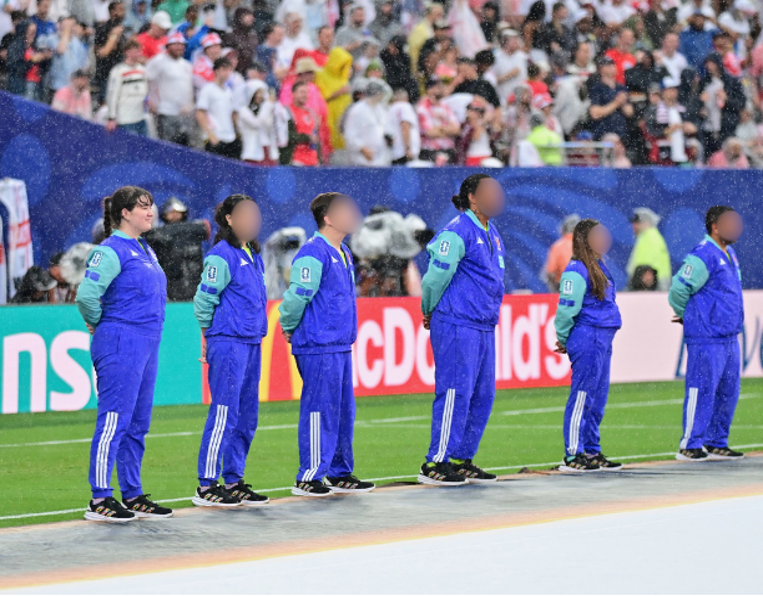
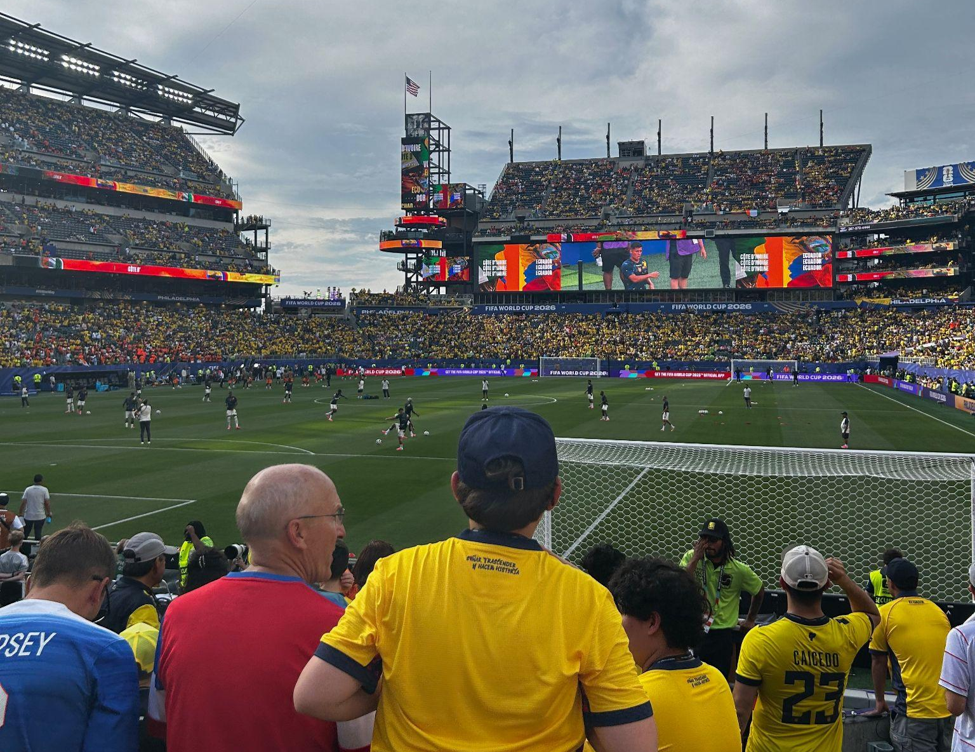

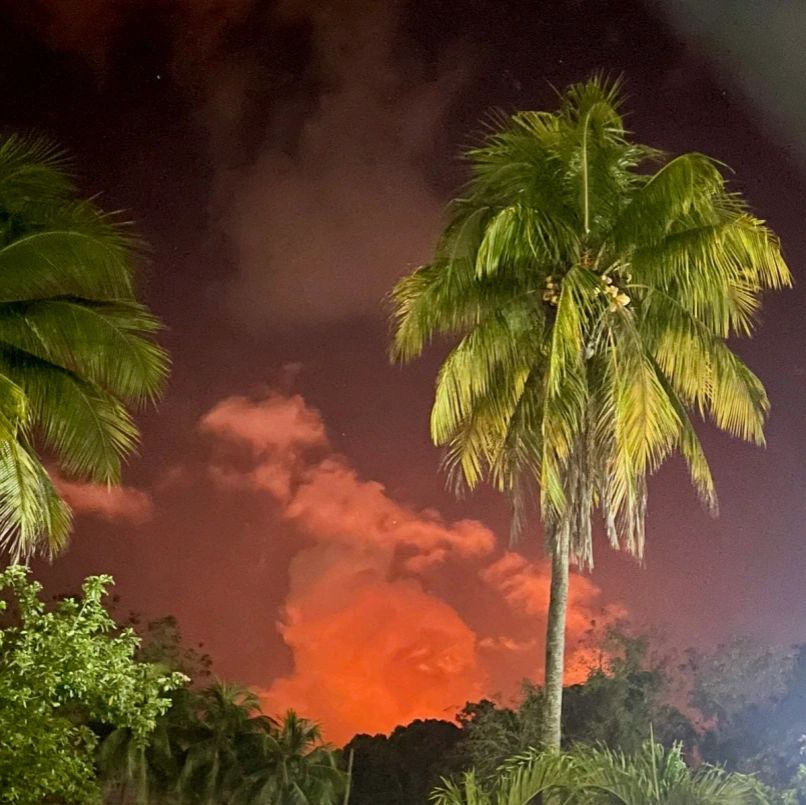

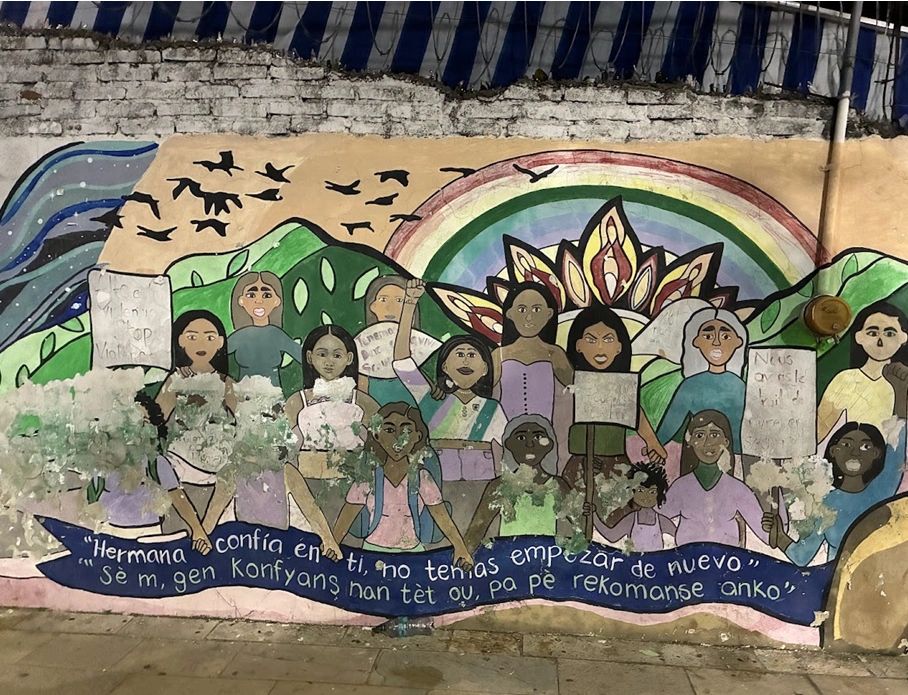
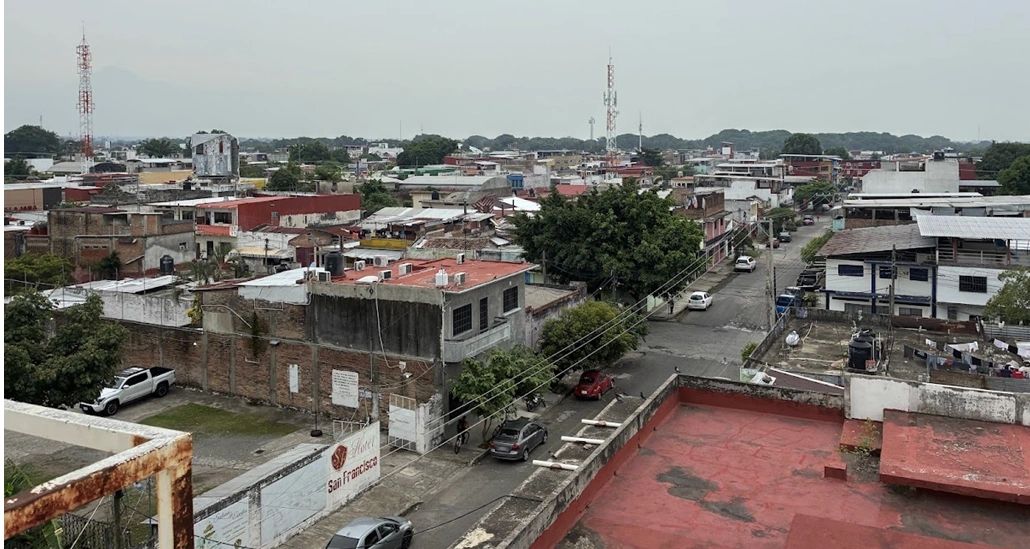
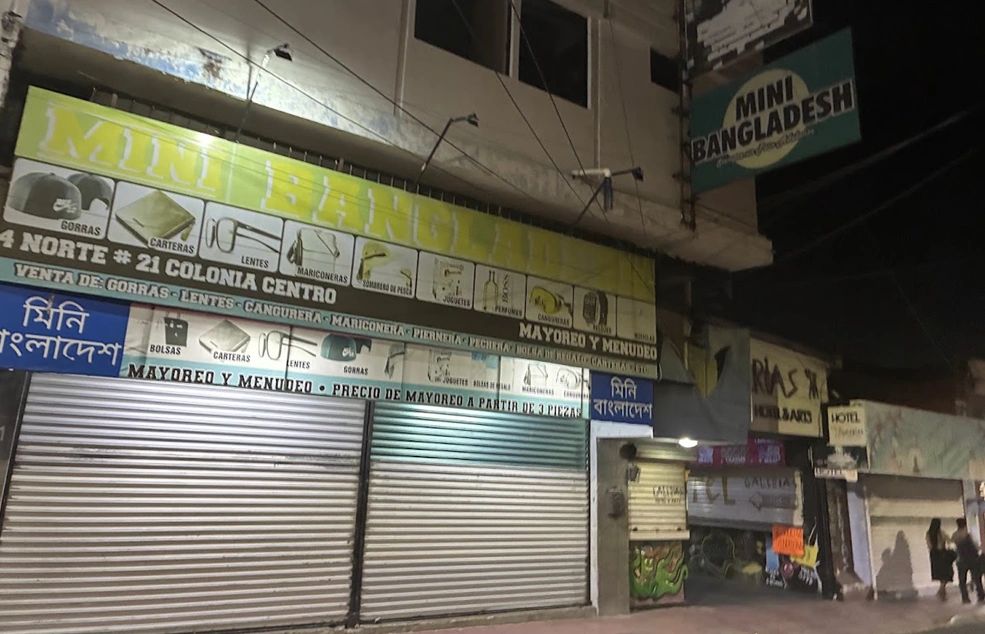
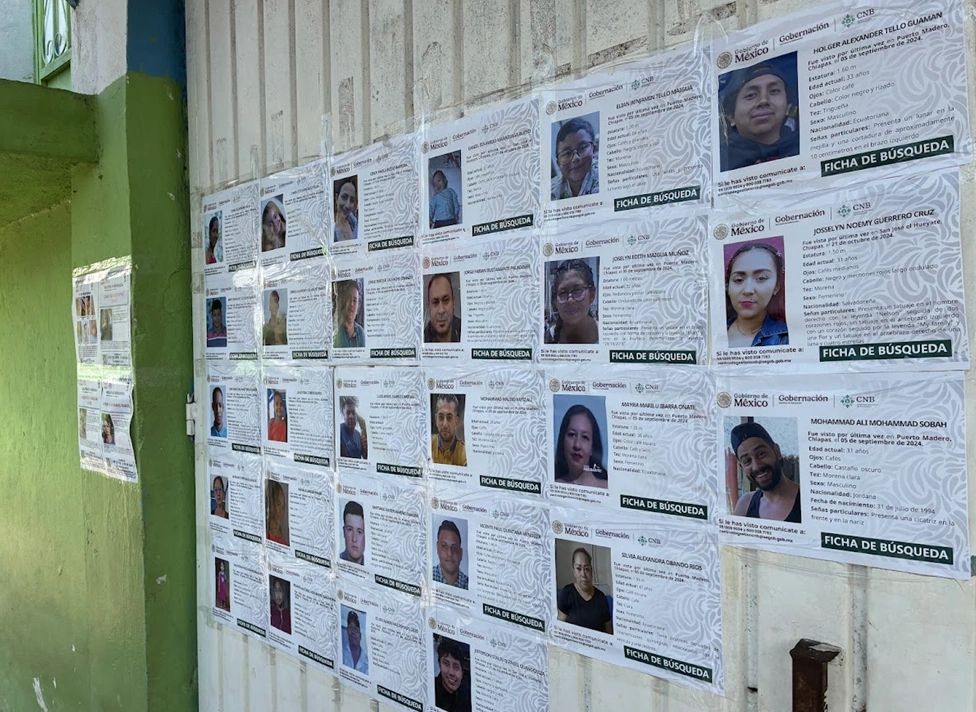
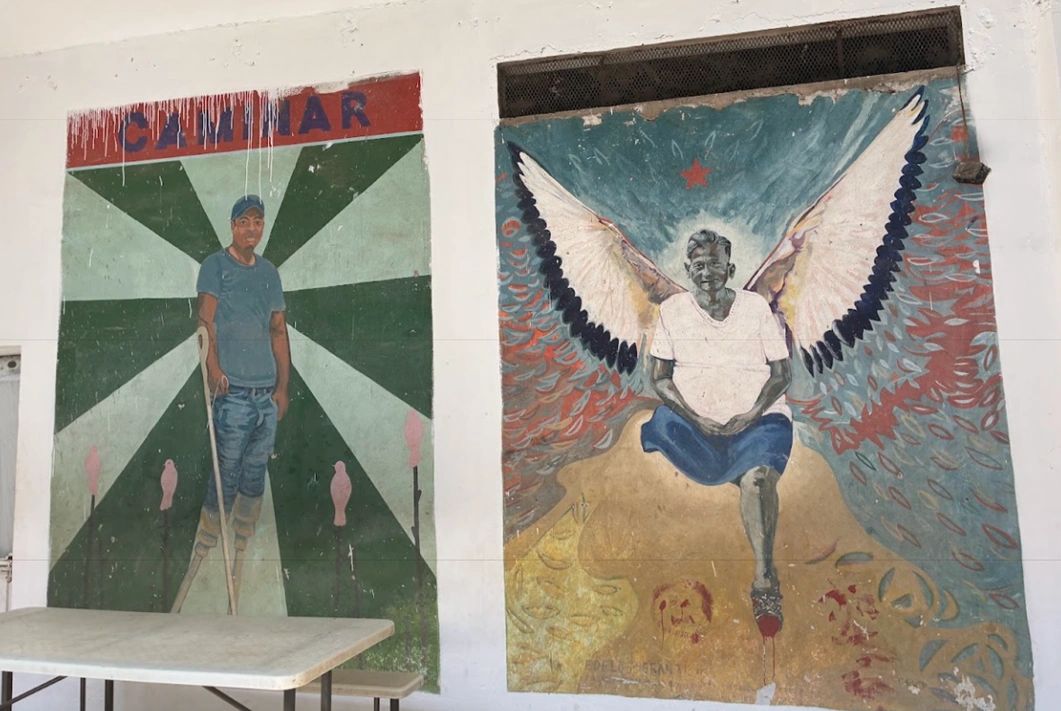
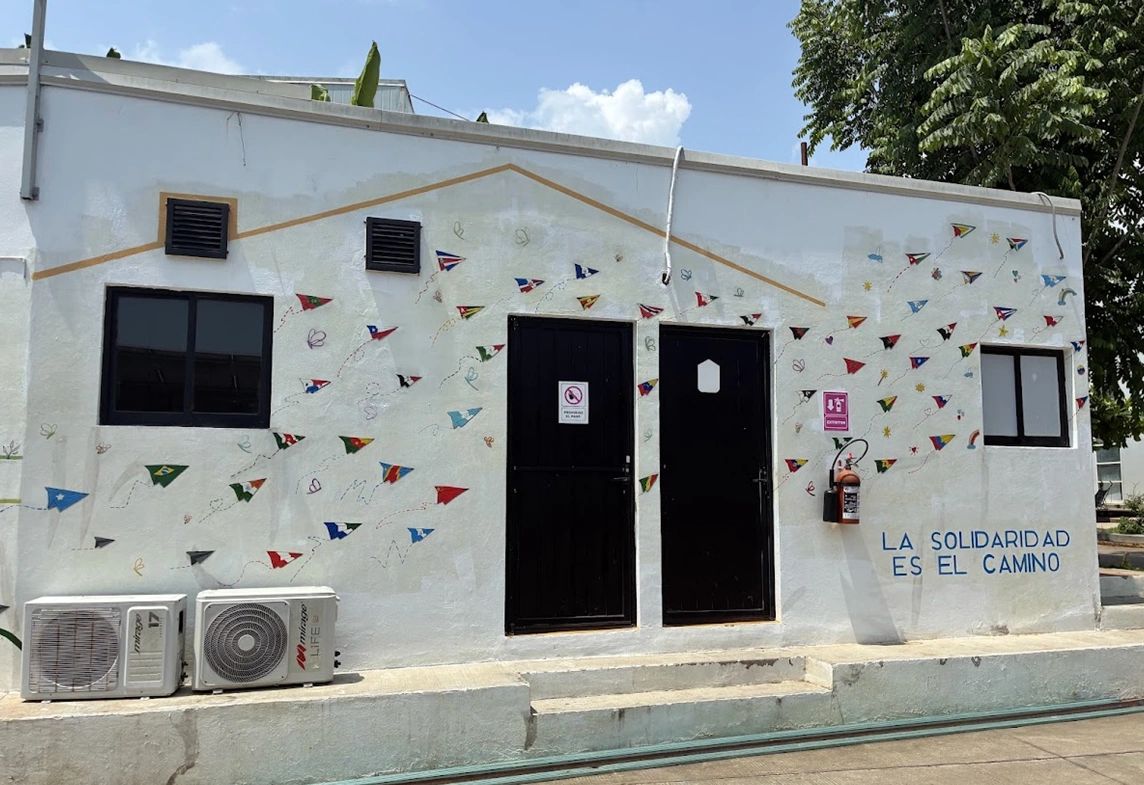


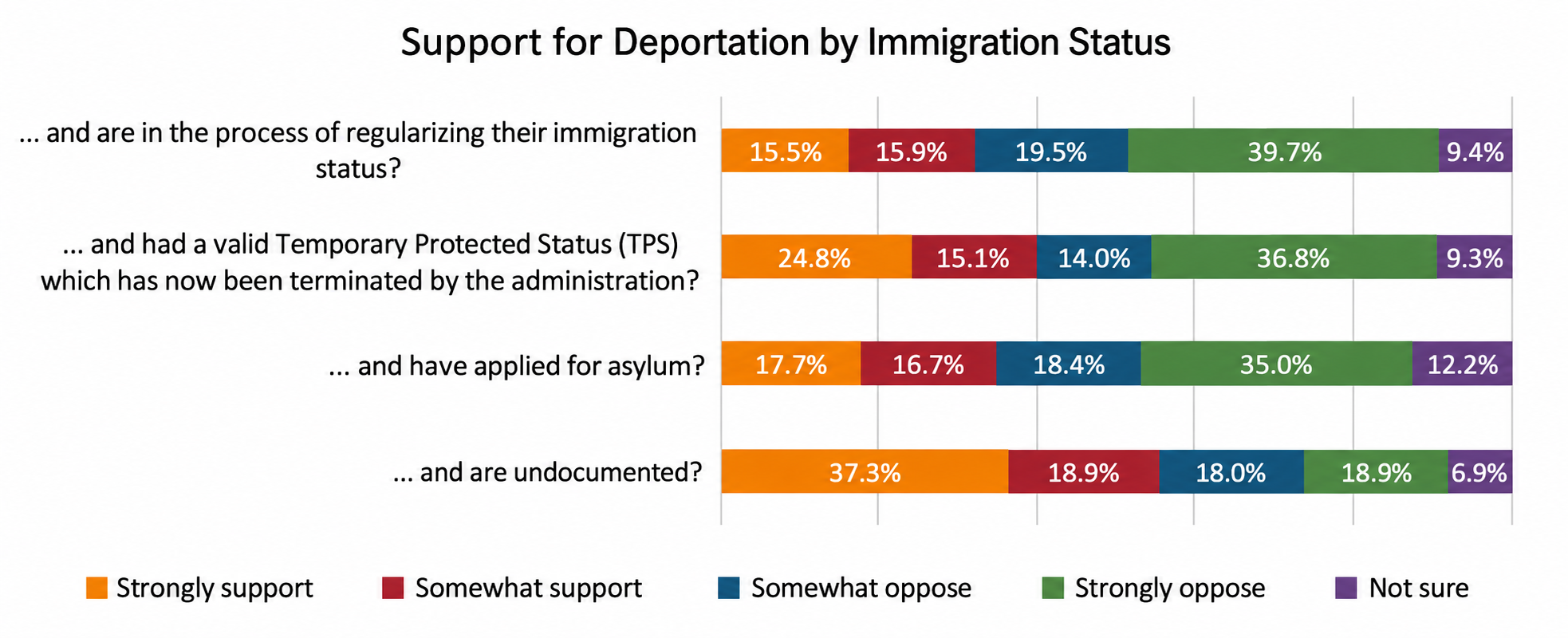
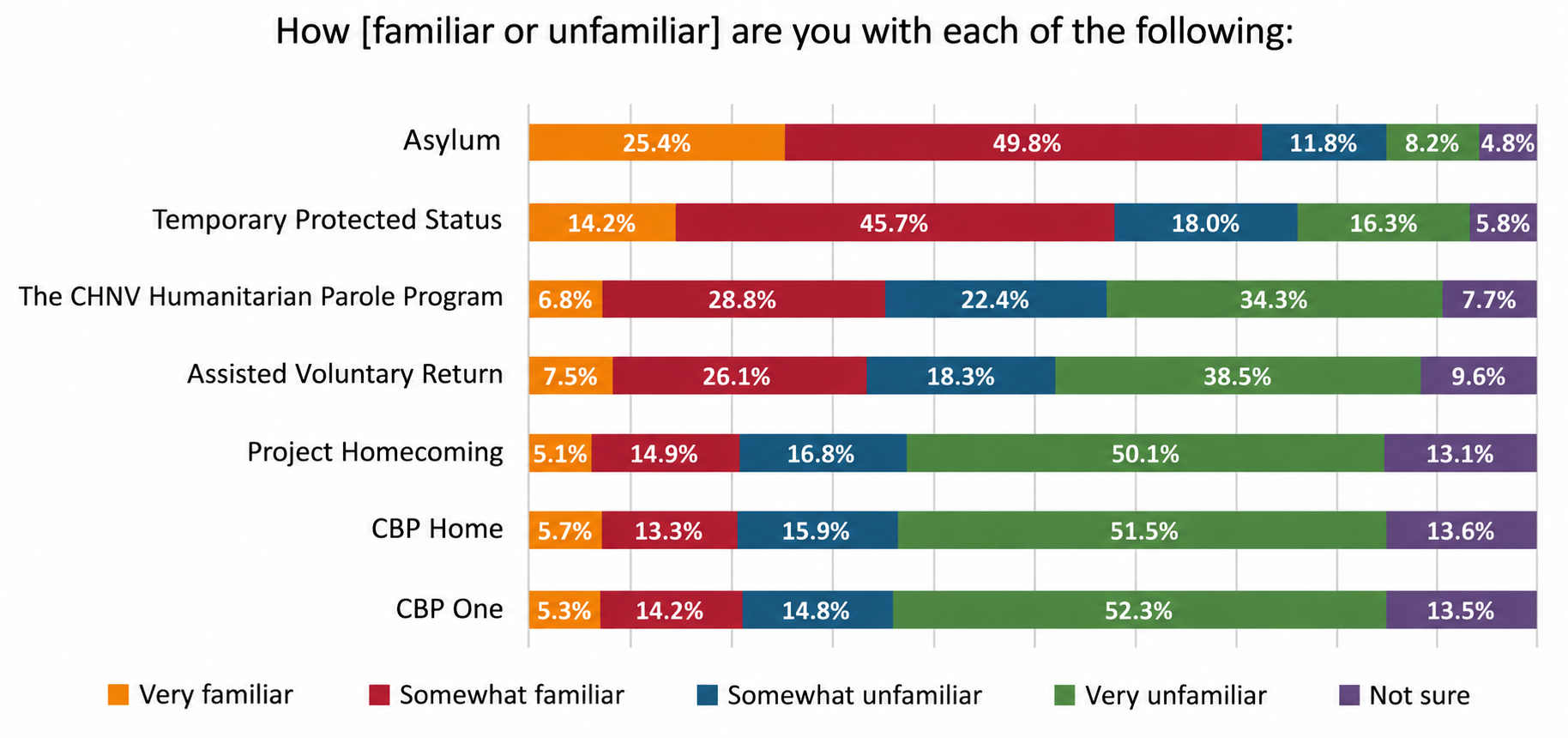
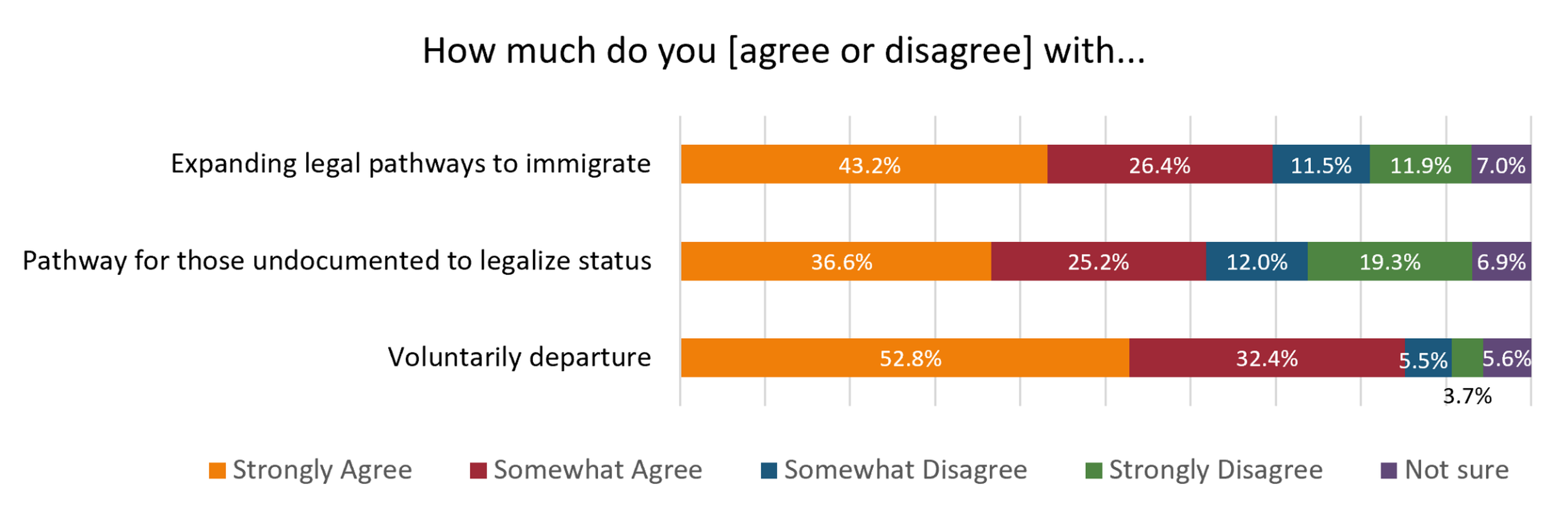
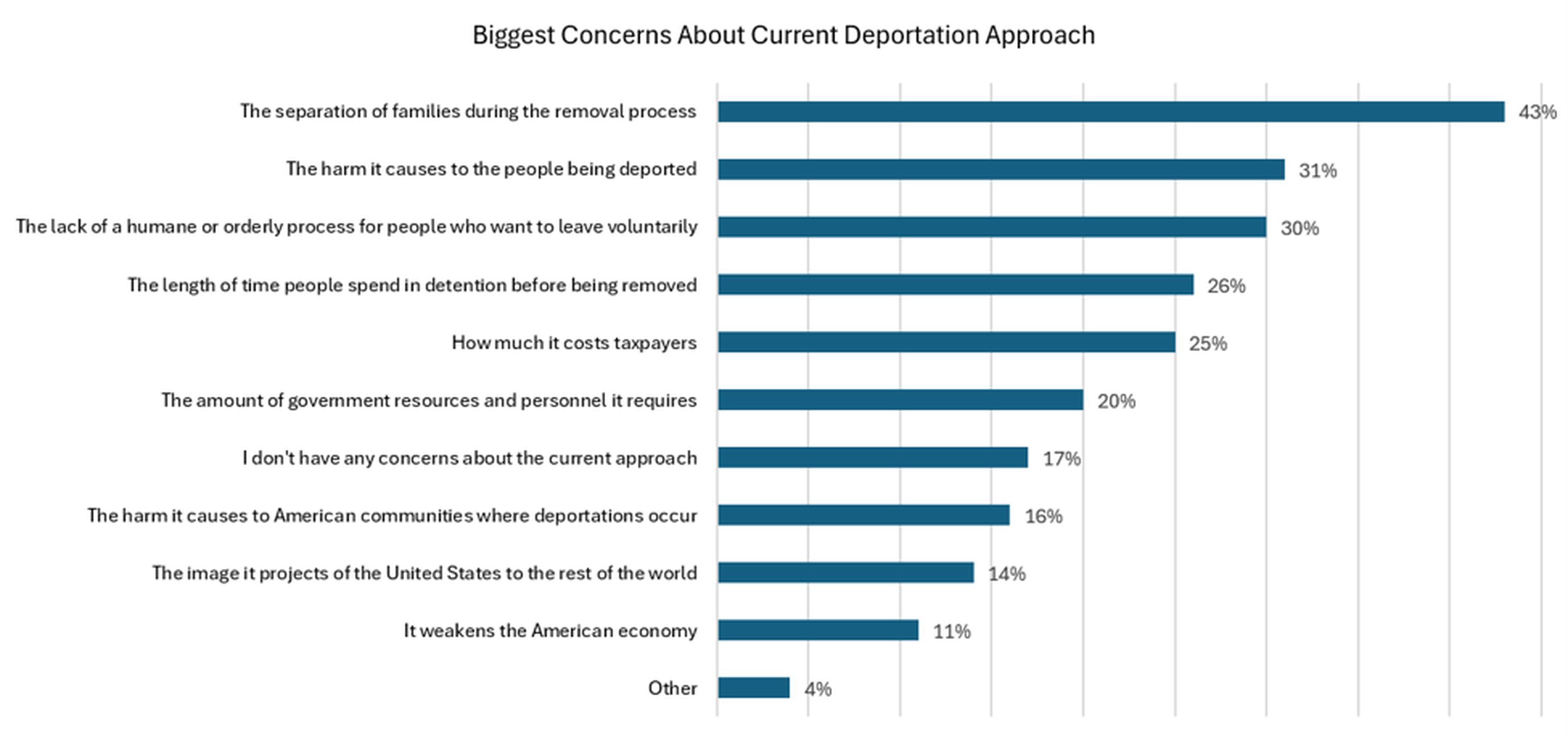
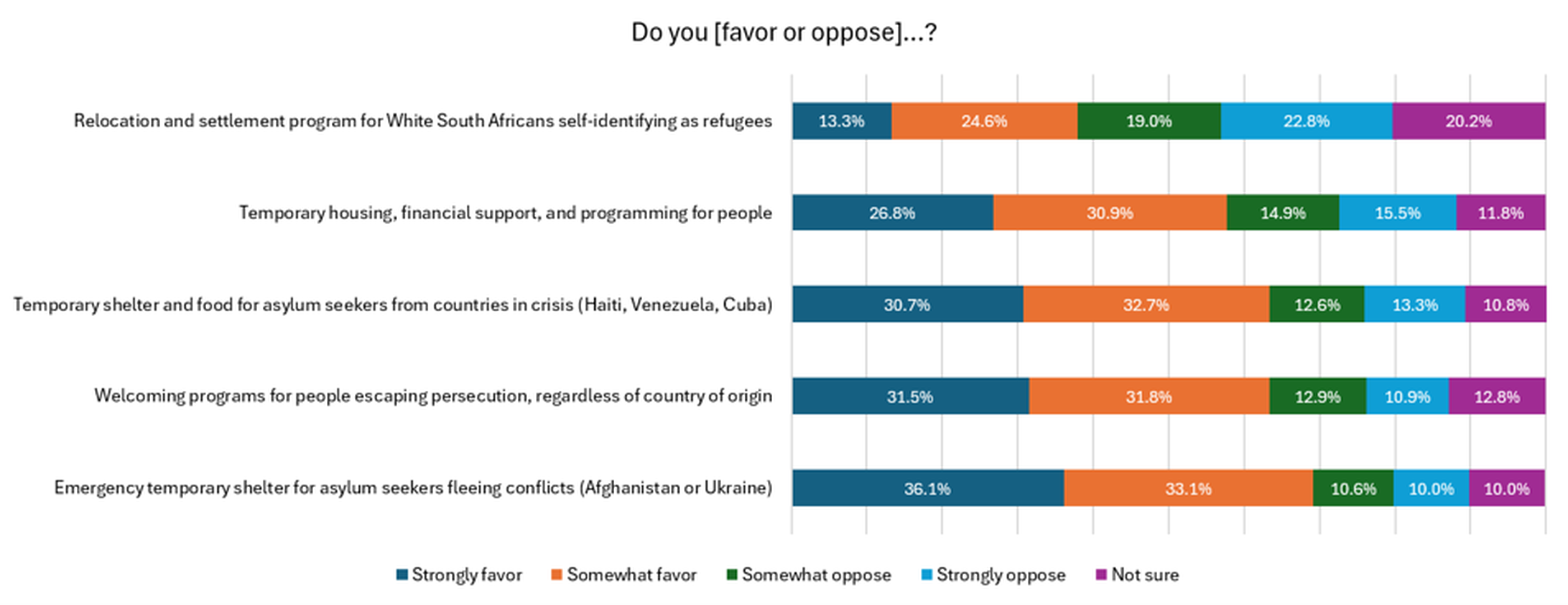
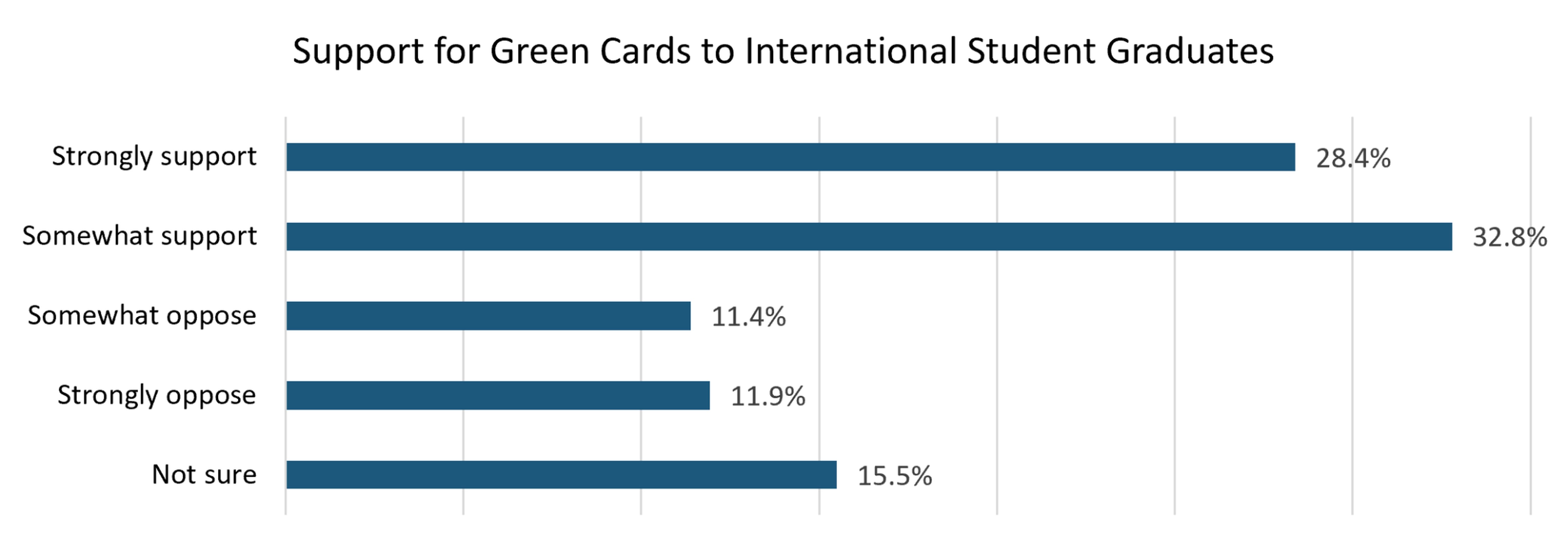
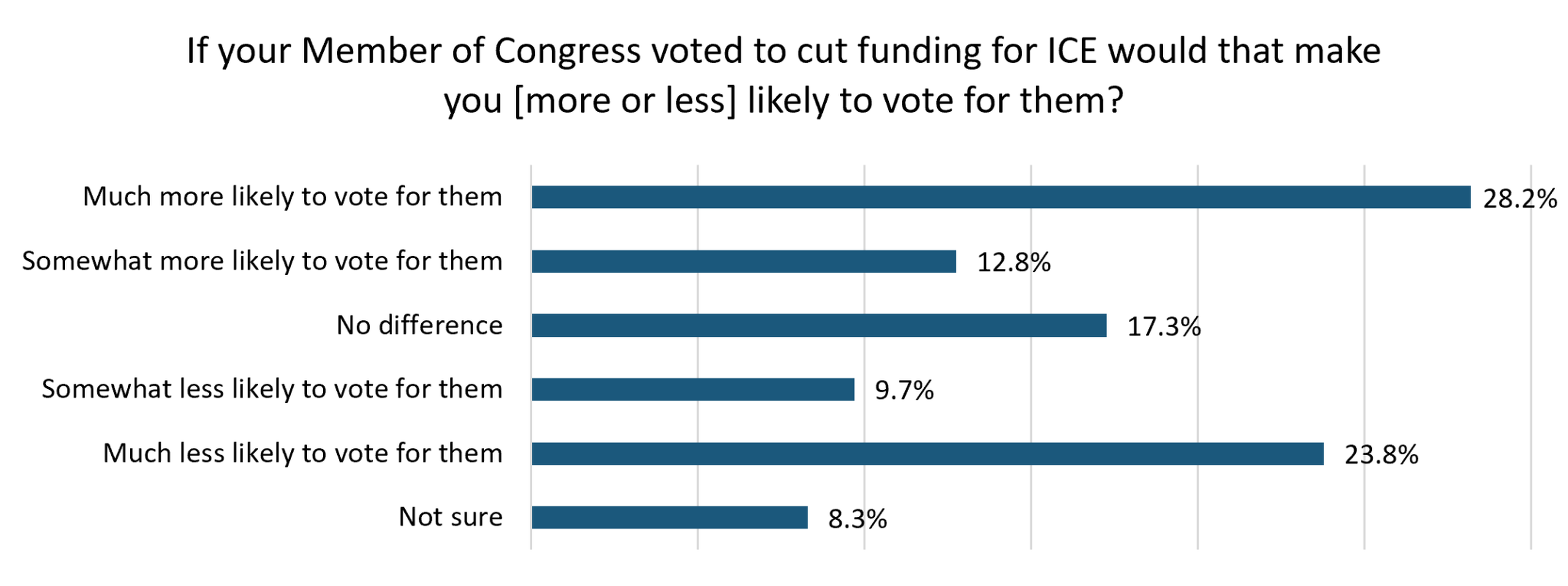
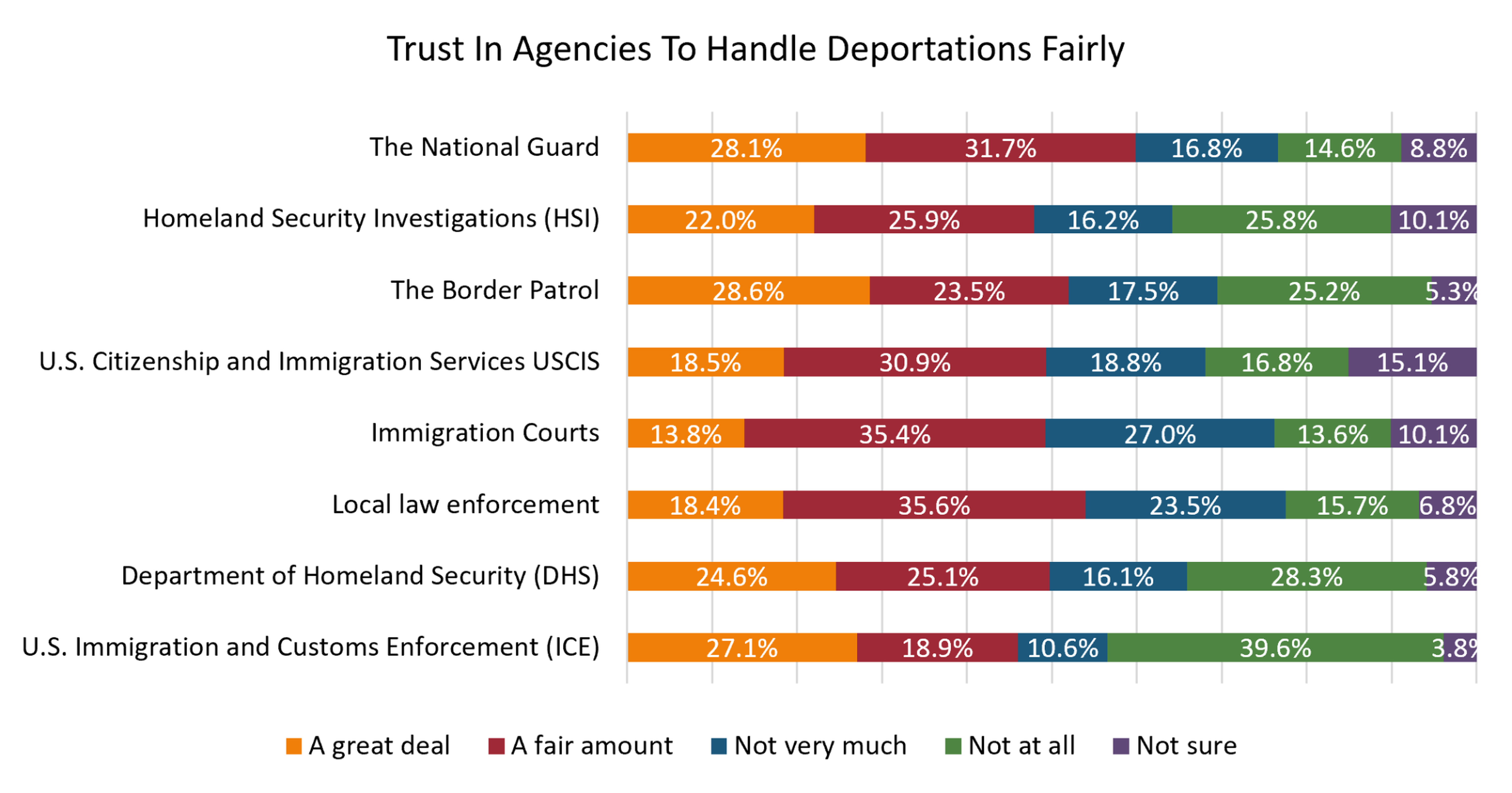
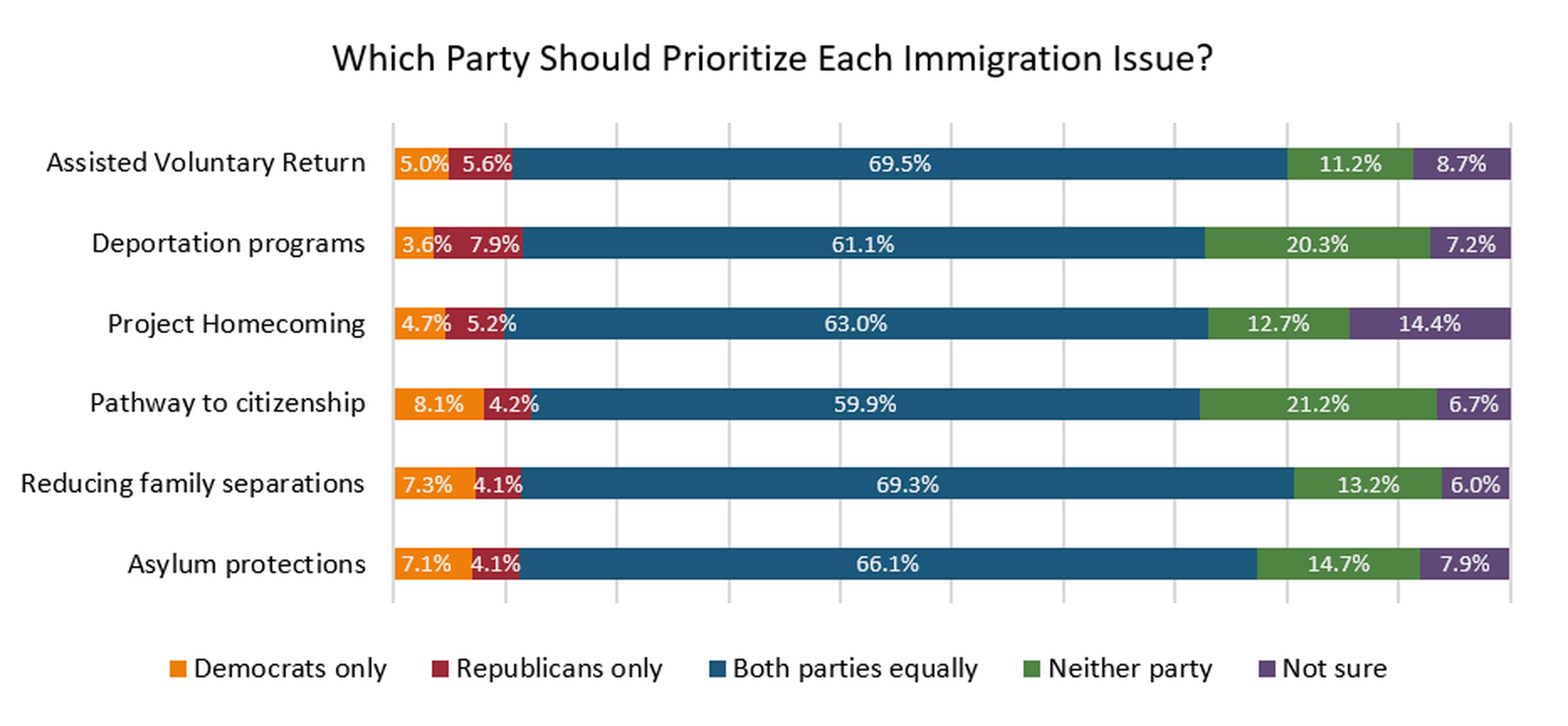
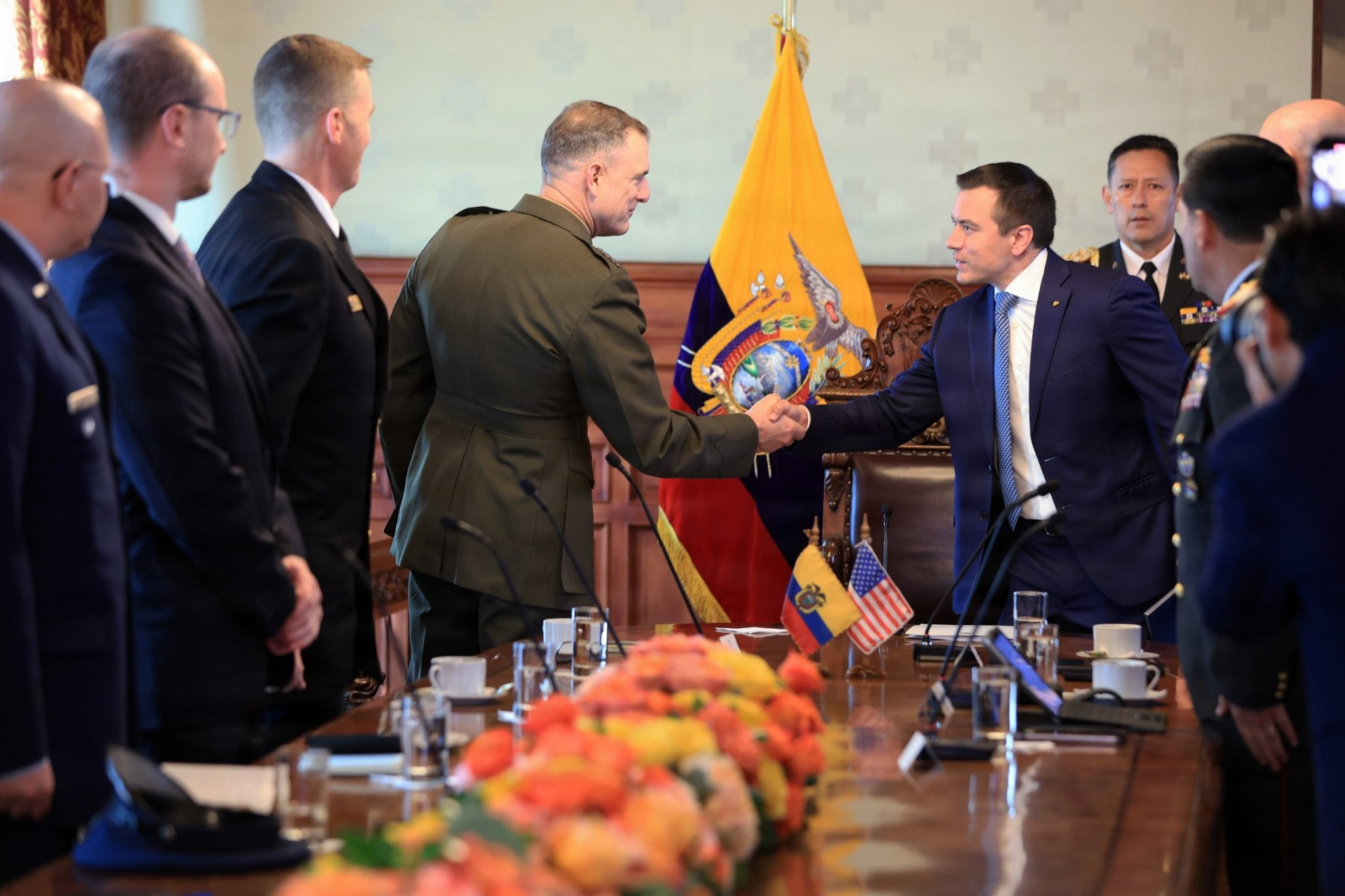

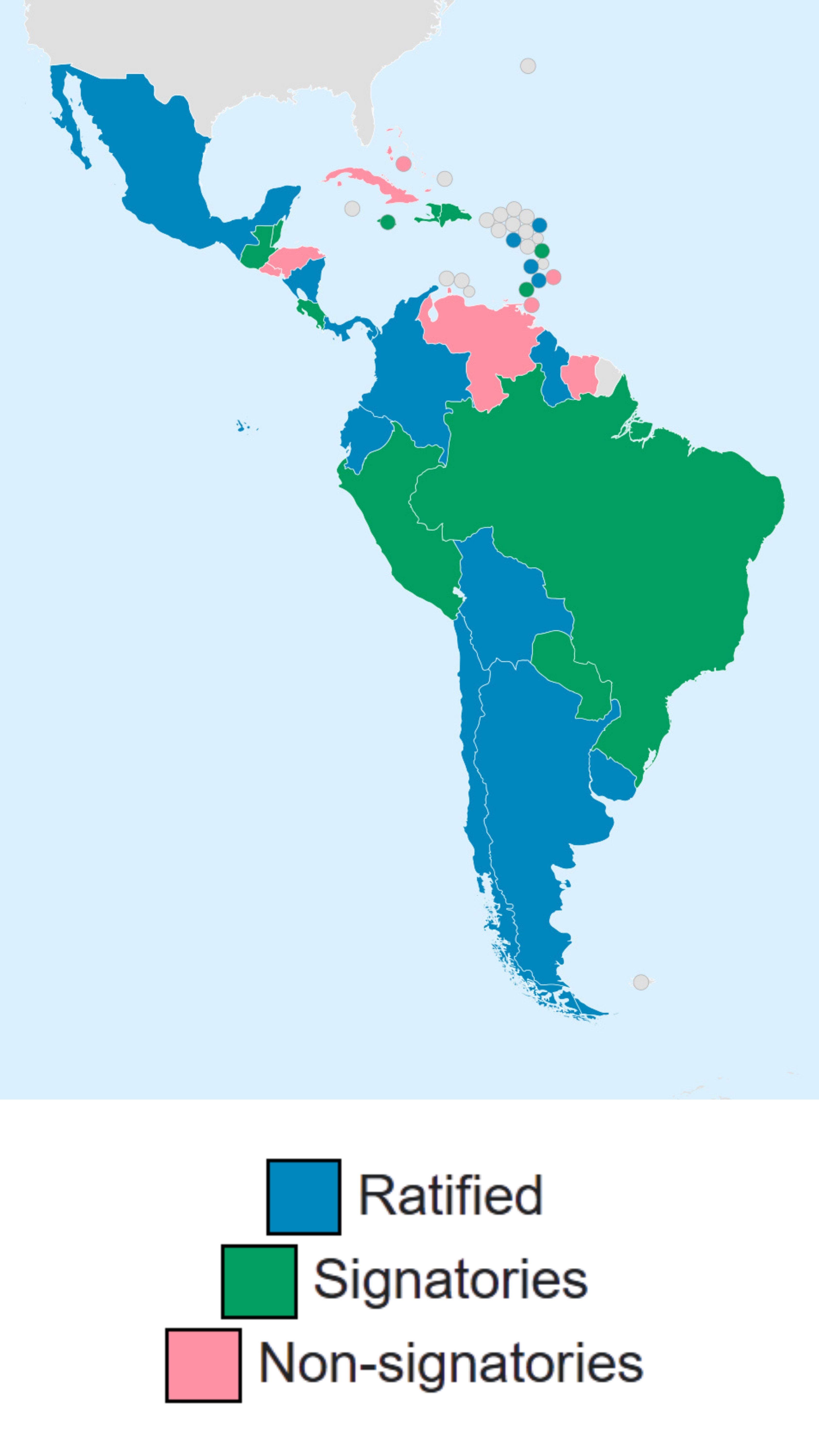
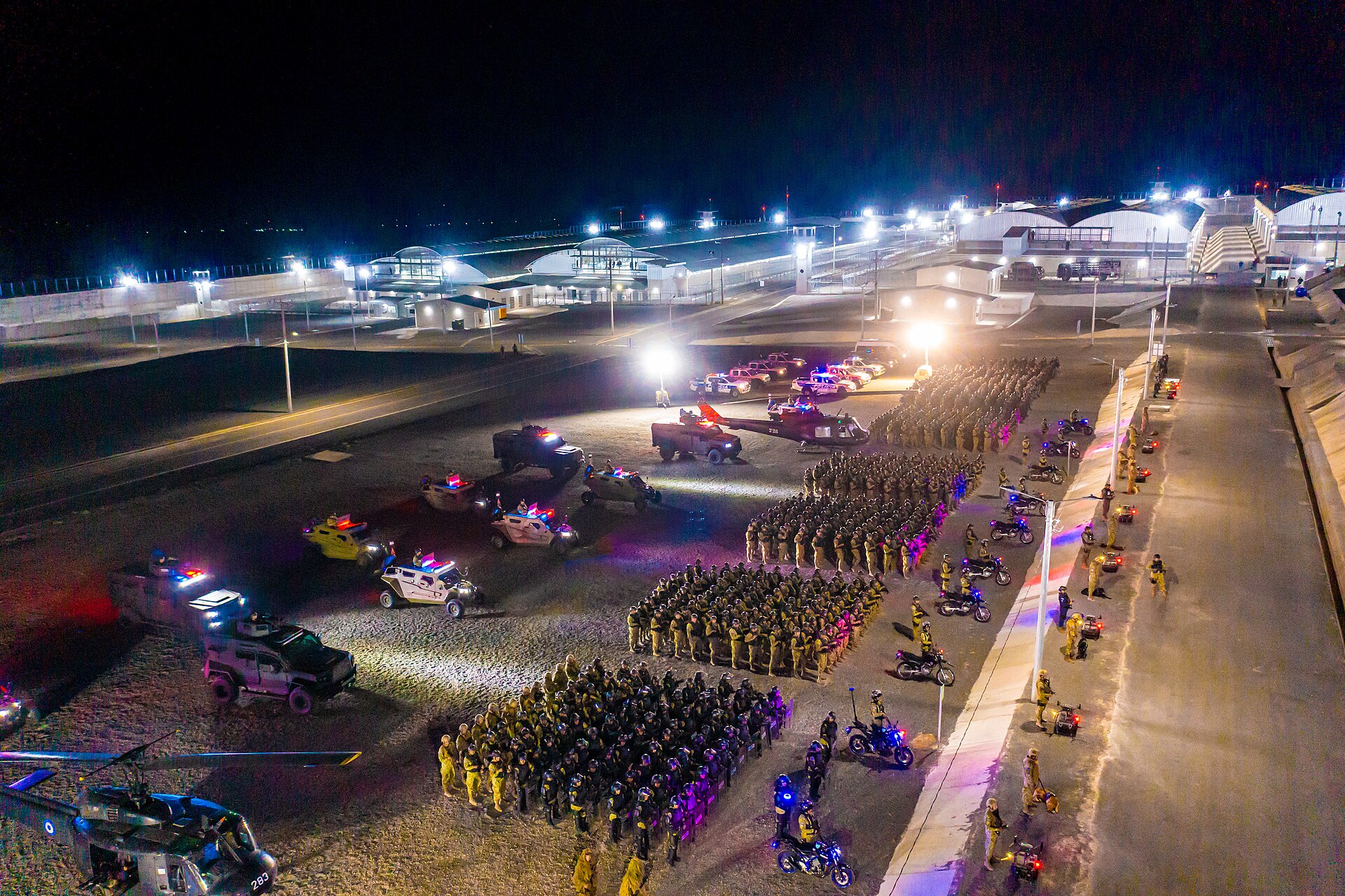
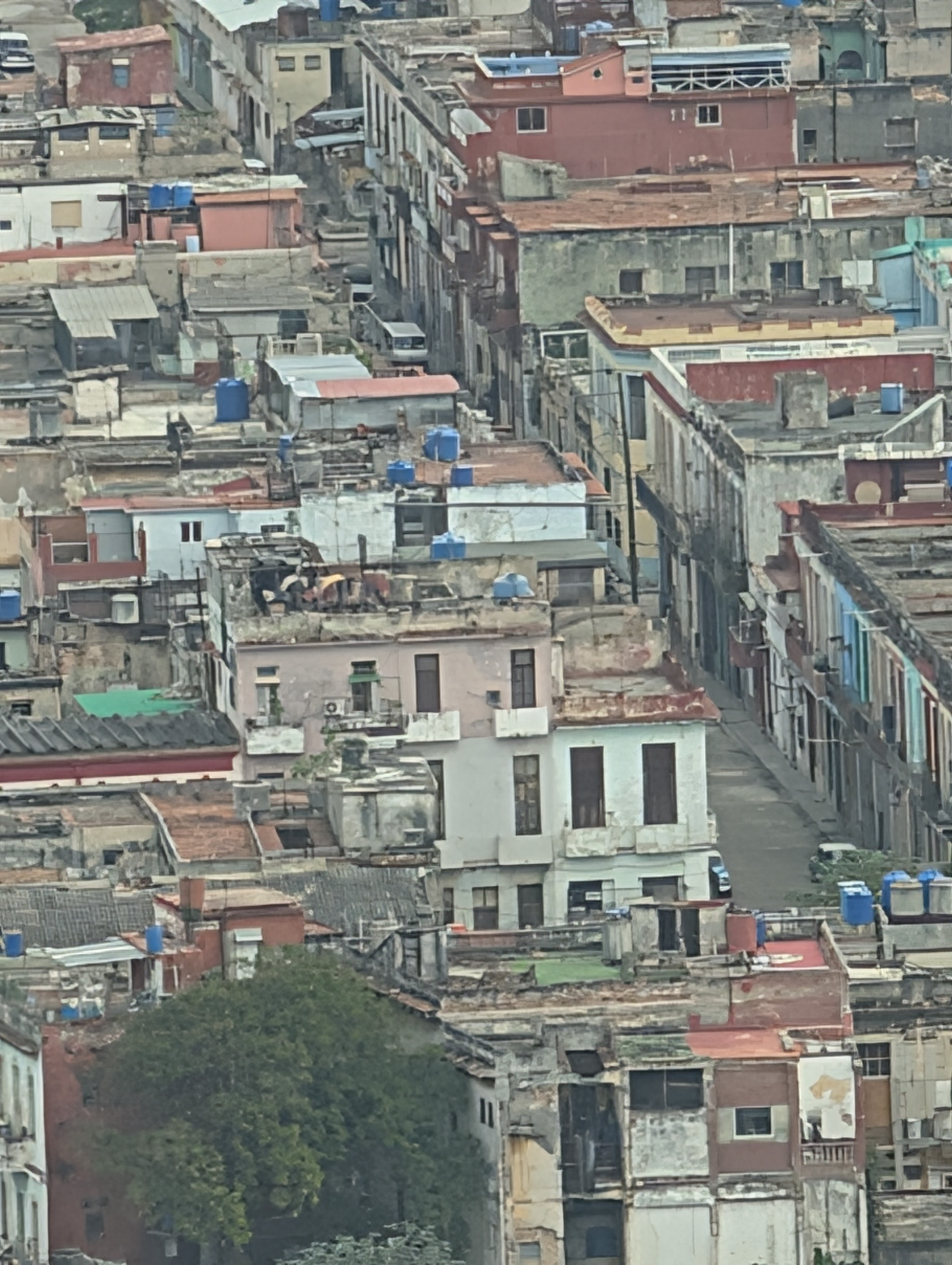


.jpg&oldid=1176028223)
