Why MS-13, M-18, and Tren de Aragua Are Not Terrorist Groups

by Melissa Vasquez, Ernesto Castañeda, and Anthony Fontes

Image of President Trump of the United States and President Bukele of El Salvador meeting, White House, Sep 25 2019, Fliker

Are MS-13, M-18, and Tren de Aragua terrorist organizations? The short answer is no, they are not. They are transnational criminal organizations. El Salvador’s President Bukele and Donald Trump have officially labeled these groups as terrorist organizations, citing their extreme violence and control over some territories. However, these classifications have sparked debate, as their activities are more aligned with organized crime than political terrorism. Making this distinction is crucial given that mislabeling them can lead to misguided policies that fail at curbing their violence.

The 1980s civil wars in Central America forced nearly a million people to flee the U.S. Some immigrants are still forced to leave their countries because of organized crime and gang recruitment. Today most often, some displaced people are victims of gangs, not members or representatives abroad. However, upon originally arriving in Los Angeles, many Central American migrants faced marginalization and sought protection from the gangs present in the areas where they lived and worked. These challenges ultimately contributed to the formation of the present-day MS-13 and M-18 gangs. Many of the members of these new local gangs were incarcerated in Los Angeles prisons alongside members of other gangs, which allowed them to regroup and learn from their rivals. Shortly after the wars, mass deportations from prisons and streets sent MS-13 and M-18 members back to a weakened Central America, where they expanded their networks and influence. 

Similarly, El Tren de Aragua (TdR), which originated in the early 2000s in Venezuelan prisons—particularly the Tocorón prison—has expanded across South America. Originally, a prison gang, Tren de Aragua, expanded beyond prison walls to exploit weak governance, connecting criminal networks across South and North America. Furthermore, like MS-13 and M-18, Tren de Aragua is driven by criminal enterprising rather than political ideology. That is, neither group aims to take over state power or remake society in their own image. Rather, they are hyper-focused on generating maximum profits through illicit means while avoiding state interference. They are criminal syndicates with some capacity—though quite limited—to carry out their rackets across borders. They are certainly NOT terrorist entities. 

What separates a terrorist organization from a criminal syndicate? While both engage in illicit activities and use violence as a means to an end, it is crucial to distinguish their goals and methods to dismantle them effectively. The primary difference lies in their objectives: terrorist organizations seek political, religious, or ideological change by influencing government policies or societal structures, whereas transnational criminal organizations (TCOs) operate across borders solely for financial gain, without political or ideological motives beyond sowing conditions to maximize profit. 

For example, the U.S. government has classified groups like Revolutionary Armed Forces of Colombia (FARC) and ISIS as terrorist organizations due to their political objectives. FARCS’s history dates back to 1964 when it emerged as a communist insurgency that employed terrorist tactics. Initially formed as a guerilla movement from campesino self-defense groups, whose primary objective was to overthrow the Colombian government. Over the next five decades, FARC waged guerilla warfare by carrying out illicit activities—such as bombing, kidnappings, and assassinations–all in an effort to challenge state authority. Colombia, the U.S., and the European Union designated FARC as a terrorist organization due to their use of political violence.

However, the 2016 peace accords between FARC and the Colombian government led to the successful disarmament. This agreement allowed the group to transition into a political party known as Comunes. Even though some dissident factions still operate, FARC’s official transformation has been a key factor in maintaining long-term stability in Colombia. Recognizing this shift has been crucial in fostering peace and ensuring that former combatants can engage in democratic processes rather than armed conflict.

The contrast between ISIS and FARC highlights the importance of proper classification. FARC has abandoned the characteristics that once classified it as a terrorist organization and instead has evolved into a political entity. ISIS, on the other hand, remains committed to its extremist and political ideology, seeking to overthrow governments through guerrilla warfare and establish a global Islamic caliphate through territorial control and sectarian violence. Addressing the causes behind these organizations is equally crucial. FARC’s transition has allowed Colombia to tackle the drivers that led to its rise in the first place, providing the foundation for long-term stability. When governments misdiagnose the factors driving their emergence, violence continues.

Despite claims that Tren de Aragua serves the Maduro regime, evidence suggests otherwise. The group arose from Venezuela’s weak governance and not from direct state sponsorship. According to Insight Crime, in September 2023, Venezuelan law enforcement raided the Tocorón prison in Aragua state, aiming to “dismantle and put an end to organized crime gangs and other criminal networks operating from the Tocorón Penitentiary.” This operation demonstrates that Tren de Aragua is not a state-sponsored group, nor is it a tool being used by the Venezuelan state to destabilize the region. Its rise—like that of MS-13 and M-18—can be traced back to systemic failures, including poverty, corruption, and forced population displacement. These factors have allowed transnational criminal organizations to flourish across Latin America. 

MS-13 and M-18 expanded by exploiting political corruption and institutional weakness in their home countries. Similarly, Tren de Aragua has taken advantage of Venezuela’s economic crises and large emigration to expand into new territories, such as the Darién Gap. Unlike terrorist organizations, these gangs did not emerge to push a political ideology; rather, they have thrived by leveraging corruption and weak law enforcement. In many ways, they are products of the environments that fostered them, growing out of instability rather than ideological ambition.  These transnational criminal groups do not engage in violent attacks abroad, targeting governments or aiming to take political power in the United States. That is beyond their purview and capabilities. 

Why does the distinction between organized crime and terrorist organizations matter? Although all of these organizations engage in violence and illicit activities, their end goals set them apart: MS-13, M-18, and Tren de Aragua operate for profit, whereas ISIS and others seek to reshape the political landscape of their regions. Properly distinguishing between terrorist organizations and transnational criminal organizations like MS-13, M-18, and Tren de Aragua is crucial for drafting effective policies and responses to their violence. Mislabeling these groups can lead to inappropriate responses. Applying counterterrorism measures to profit-driven gangs fails to address the root causes for their expansion in the first place. Failing to properly distinguish organized crime from political terrorists leads to failed policies. The misclassification of these groups could destabilize the region by shifting U.S. foreign policy and resources away from where it is truly needed—addressing the drivers of gang-related violence, corruption, and weak governance—toward counterterrorism efforts. 

While transnational criminal organizations are heavily involved in drug trafficking, and their violence may create fear among civilians and impact governance, this does not qualify them as terrorist organizations. Their primary objective is financial gain, not advancing an ideological or political agenda. This distinction matters because government responses shape outcomes. If the goal is to curb migration, drug trafficking, or violence, then we need to stop treating criminal organizations like terrorist groups and start addressing the real issues driving their expansion. If the U.S. truly wants to curb migration and secure the southern border, then it must ensure that its classification of these organizations is accurate and aligned with its actual objectives.

Melissa Vasquez is a Graduate Student in the International Affairs and Policy Analysis program at American University and an Intern at the Immigrant Lab.

Ernesto Castañeda is the Director of the Immigration Lab and the Center for Latin American and Latino Studies and a Professor at American University

Anthony Fontes is an Associate Professor and ethnographer at American University’s School of International Service.

This piece can be reproduced completely or partially with proper attribution to its author.

Caribbean: Addressing Climate Change Through Global Finance Reform

by Thomas Andrew O’Keefe*

IMF-World Bank Seminar: Toward a More Integrated Caribbean with panelists OECS’ Didacus Jules, Guyana’s Winston Jordan, Barbados’ Mia Amor Mottley, Jamaica’s Nigel Clarke, and the CDB’s Warren Smith Flickr/Creative Commons License

Initiatives launched by Barbadian Prime Minister Mia Mottley to reschedule the debt of Caribbean countries hit especially hard by climate change and to reform international lender practices are gaining momentum.

  • In 2021 Mottley called for the suspension of debt and interest payments owed to multilateral financial institutions by Small Island Developing States (SIDS) while they respond to natural disasters exacerbated by climate change. (Half of the 39 UN-recognized SIDS countries are in the Caribbean.) Among the world’s most indebted countries per capita because of their tiny domestic capital markets and low tax bases, SIDS countries cannot pay their debt while also devoting scarce resources to rebuild critical infrastructure.

The government of Barbados also proposed important reforms to the multilateral lending system in preparation for the United Nations Framework Convention on Climate Change Conference of the Parties (COP 27) in Sharm el-Sheikh, Egypt, last November. Labeled the “Bridgetown Initiative,” the package included bold proposals:

– Redirecting up to $100 billion in unused IMF Special Drawing Rights (SDRs) for SIDS, allowing member governments to exchange their SDRs to borrow from one another’s central bank reserves at very low interest rates in response to an economic crisis.

– Operationalizing a $45 billion IMF-administered Resilience and Sustainability Trust.

– Having multilateral development banks make $1 trillion in multilateral loans at concessional rates to fund climate change adaptation and resiliency in the developing world.

– Leveraging an additional $650 billion held by the IMF to set up a Climate Mitigation Trust that would attract much larger private-sector capital to invest directly in carbon-free energy projects, for example, and avoid governments incurring more debt.

These initiatives are starting to have an impact. The Inter-American Development Bank has announced plans to include a “hurricane clause” in its loan agreements with Central American and Caribbean member states, deferring principal payments for up to two years. Advocates hope the World Bank, Asian Development Bank, and others take steps as well. They also want commercial banks and other private lenders – which hold much of the SIDS’ foreign debt – to adopt payment suspension clauses.

  • International political support is growing for the proposed lending flexibility. Key elements have been endorsed by French President Emmanuel Macron, who has prioritized discussion on them at the June 22‑23 Summit on a New Global Financing Pact in Paris. IMF Managing Director Kristalina Georgieva and U.S. Special Presidential Envoy for Climate Change John Kerry have also expressed their approval. The World Bank Group launched an Evolution Roadmap in January to better address cross-border challenges such as climate change that affect its ability to promote economic growth, poverty reduction, and human development. An internal Bank committee completed an initial report on proposed reforms in time for the World Bank Group’s meeting in Washington in mid-April.

The SIDS nations have contributed least to the climate crisis but are most impacted by more frequent and ferocious hurricanes and typhoons, rising sea levels, unpredictable rainfall, and increasingly acidic oceans that wipe out critical food resources. In the Caribbean, the vital tourism industry is also suffering as piles of rotting sargassum seaweed, which is driven in part by climate change, arrive on its beaches.

  • An important reason the Barbadian proposals for reforming the global financial architecture may succeed is that they are not pleas for no-strings-attached compensation or reparations. Instead, they are focused on making the existing multilateral lending system more flexible to better meet the needs of governments to respond to the climate crisis and create incentives for increased private-sector investment – which will improve the countries’ ability to pay their existing debts. In contrast, an additional recommendation put forward by Barbados and other developing countries at COP 27 to tax fossil fuel companies based on their carbon emissions or impose an international carbon border tax to fund so-called “loss and damage” grants for climate vulnerable developing nations has yet to get more traction.

* Thomas Andrew O’Keefe is the President of Mercosur Consulting Group, Ltd. and currently serves as Chief of Party of the Caribbean Business Enabling Environment Reform (CBEE‑R) project based in Barbados.

Central America: The Great Failure of Capitalism

By Alexander Segovia*

San Salvador’s Torre El Pedregal opposite a slum/ ContraPunto-Diario Digital El Salvador

Central American capitalism is inefficient, concentrates wealth within small elites, and hinders broader economic and political participation – and, even as the COVID pandemic underscores its failures, shows little prospect of changing. With the exception of some aspects of the Costa Rican version of Central American capitalism, the entire region has categorically failed in at least four fundamental areas: building productive, competitive, and integrated economies; achieving social progress for the majority of the population; consolidating democracy; and protecting the environment.

My recently published comparative historical review of the region’s brand of capitalism analyzes the development and implications of its two main stages.

Agro-export capitalism. In the 1870s, Costa Rica, El Salvador, and Guatemala – and later Honduras and Nicaragua – found that they could incorporate themselves into world capitalism through the production and exportation of coffee and bananas, and subsequently through other primary products. That strategy brought certain innovation, economic modernization, and national cohesion. After World War II, despite extreme dependence on enormously volatile foreign markets, the model generated some material wealth and even some temporary social progress, especially in urban areas. 

  • Agro-export capitalism, however, caused deeper poverty among the population, especially in rural areas; a greater concentration of wealth and power within a small elite; and a disproportionate exploitation of natural resources. The result was a system that concentrated wealth and power on some while excluding others – a system incompatible with democracy everywhere except Costa Rica. The failure to create jobs, promote social progress, and create conditions for democracy was a major driver of the region’s armed conflicts of the 1980s.

Rentier-transnational capitalism. The wars in the 1980s (along with the mass migration and internal economic, political and social crises they entailed), a deepening of capitalist globalization, and a wave of neoliberal reforms throughout the region brought about a transformation that modified the region’s capitalist model for the first time. The new rentier-transnational capitalism, based on the dynamism of services and trade and favoring consumption over production, turned out to be even less productive than before. 

  • These changes worsened the concentration of wealth and power on elites, who were even further bolstered by kinship with a transnational economic elite that emerged in the 1990s. Rather than create wealth, rentier-transnational capitalism deepened dependency on family remittances from abroad – from the very people who left their homeland to escape violence and unemployment that the failed economic model aggravated. 

COVID-19 has deepened Central America’s socioeconomic crisis, worsening poverty and inequality, putting democracy at even graver risk, and increasing the urgency for socioeconomic, legal, and institutional reforms of the system of privileges and perks for the elites and to establish a more equitable distribution of income and wealth. But the region’s form of capitalism, which has so obviously failed, continues to operate with impunity – and very few national and international actors, including most academics, ask why. Without rupturing this model of elite accumulation, neither democracy nor inclusion will come about.

  • Last century and in the first two decades of this, national and international actors tried to make changes, including efforts to adjust the role of the state. They argued that a democratic and social state with enough autonomy from the economic elites could create a capitalism that is more inclusive and compatible with democracy. But their efforts were either simply not permitted by the local conservative forces (often buttressed by regional and international allies) or were modified in such a way that they did not change the status quo. The problems of inequality, weak institutions, and undemocratic practices are clearly not going to fix themselves.
  • The United States has enormous historic responsibility for the configuration, functioning, and maintenance of the Central American variety of capitalism. It had great influence over the formation of national states and economies, especially in Honduras and Nicaragua, and was a fundamental actor in impeding the modernization of capitalism, such as in Guatemala in the 1950s. It has also been consistently the principal ally of the economic elites opposed to democracy and redistribution, and it has promoted neoliberal economic reforms and electoral strategies that further strengthened their economic and political power. If Washington is serious about addressing the root causes of Central America’s troubles, it could shift toward supporting reforms that would move the region toward a capitalism that is inclusive, sustainable, and compatible with democracy. 

January 12, 2022

* Alexander Segovia is a Salvadoran economist who has held wide-ranging positions in government, multilateral institutions, and academia. His book, El gran fracaso: 150 años de capitalismo ineficiente, concentrador y excluyente en Centroamérica (also available on Amazon) was published in October by F&G Editores (Guatemala).

Central American Youth Migrants Show Signs of PTSD and Stress

By Daniel Jenks and Ernesto Castañeda*

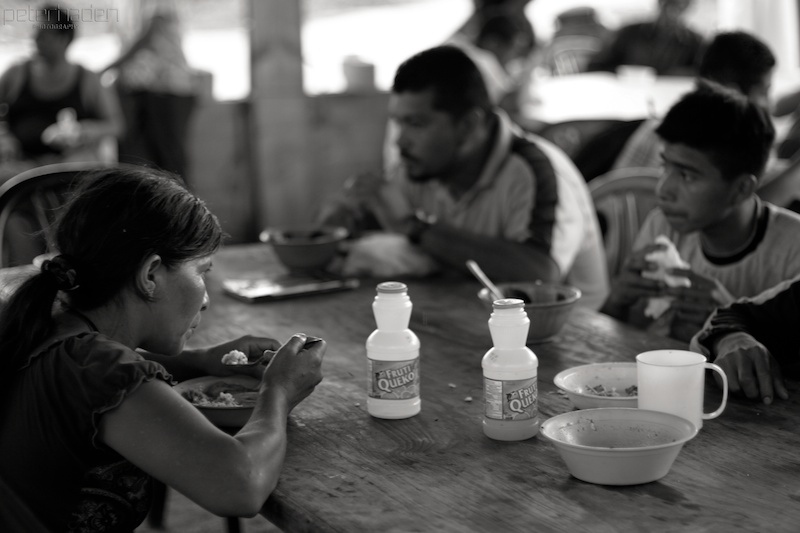
Central American migrants/ Peter Haden/ Flickr/ Creative Commons License

The trauma experienced by Central American minors before, during, and after their unaccompanied journeys to the United States puts them at high risk of post-traumatic stress disorder (PTSD) and other mental health problems, creating further obstacles to their success in school and broader integration into U.S. society. New research into results from the CLALS Pilot Project Household Contexts and School Integration of Resettled Migrant Youth, which included interviews and qualitative surveys (including a validated PHQ-9 Modified for Teens and the Child PTSD Symptom Scale, CPSS), revealed that about one-third of unaccompanied minors from El Salvador, Honduras, and Guatemala show symptoms of moderate to severe PTSD — significantly higher than the general population.

  • The study team interviewed or administered surveys to more than 100 subjects, including youths who arrived in Maryland before 2017, their parents, and social service providers, teachers, and local officials. At least 20 percent of the youth respondents exhibited symptoms of mild or moderate depression, and 38 percent said that they felt sad or depressed most days during the last year.

Many of the youths suffered deeply from separation from parents who preceded them in traveling to the United States, sometimes blaming them for problems and abuses they suffered back home, but they generally fared better than those whose parents had not emigrated. Those most deeply harmed were forced from their homes by gang violence, police corruption, and other symptoms of low state capacity, and suffered trauma along the journey to the United States. They were able to come to the U.S. and escape those problems because they had family in the United States.

  • Carlos, who migrated when he was 15 years old, left El Salvador because he was facing death threats from local gangs because he refused to join. He was scared to go to home and school. Other youths experienced pre-migration trauma that included natural disasters, war, gang violence, victimization, witnessing a crime, physical and sexual abuse, or attacks based on their sexual orientation or gender identity. (Other studies document the particular abuses faced by girls and young women.)
  • Migrating from Honduras at 13 years old, Samantha was on a bus near the Guatemala-Mexico border when gangs barricaded its door and threatened to set it on fire if they were not given a hefty fee. For the rest of the trip through Mexico, the coyotes gave her and others enough to eat only once a day. Indeed, the increased risk of undernutrition, dehydration, assault, kidnapping, and other forms of violence was common for unaccompanied youths.

Inside the United States, many face the stresses of family reunification and issues of acculturation, although our research indicates that the resulting anxiety is less severe than from the in-country and en-route traumas they experience. One mitigating factor is having access and feeling welcome to use supportive social services, education, healthcare, and employment opportunities.

  • Resentment toward parents who “abandoned” them in Central America — even those parents who were loving, reliable providers — is often deep. School challenges, language struggles, and stress related to their own legal status or that of their family further tax mental health. Complex, intimidating legal proceedings, threats of deportation, and prolonged forced separation from family get many youths off to a stressful start. Many also experience discrimination and hate crimes, becoming more aware of them as they learn English. Real or perceived lack of access to social services exacerbates stresses, and fear of dealing with authorities means that many problems go unreported.
  • Some learn to prosper. Diana, a 16-year-old from El Salvador, was scared and apprehensive when she started school in Maryland, but she found friends whom she could trust and could help her in school, and her mood improved drastically for the better.

We found that the psychological distress and disorders experienced by Central American youths in a troubling number of cases can exacerbate existing obstacles to integration, family reunification, and success in school. These obstacles, in turn, can create new stressors that exacerbate PTSD, depression, and anxiety.

  • Dealing with the traumas that plague youths in Central America is a massive undertaking that, rhetorically at least, the United States and Central American governments are addressing. Inside the United States, successful cases show that the cycle of further trauma exposure, depression, and PTSD can be overcome by making migrant processing more humane, increasing access to mental health services and education, and providing guarantees of protection to those who seek help – reforms that will be very challenging. The underlying problems are deep-rooted, and even when the Executive or Legislative branch pushes particular elements of reform, change will be hard to implement because of institutional and cultural barriers.

August 26, 2021

* Ernesto Castañeda directs the Immigration Lab and teaches sociology at American University, and Daniel Jenks is the Lab’s deputy director. This article is adapted from their full study published in Trauma Care journal.

Will U.S. Aid Address the “Root Causes” of the Crisis in the Northern Triangle?

By Fulton Armstrong*

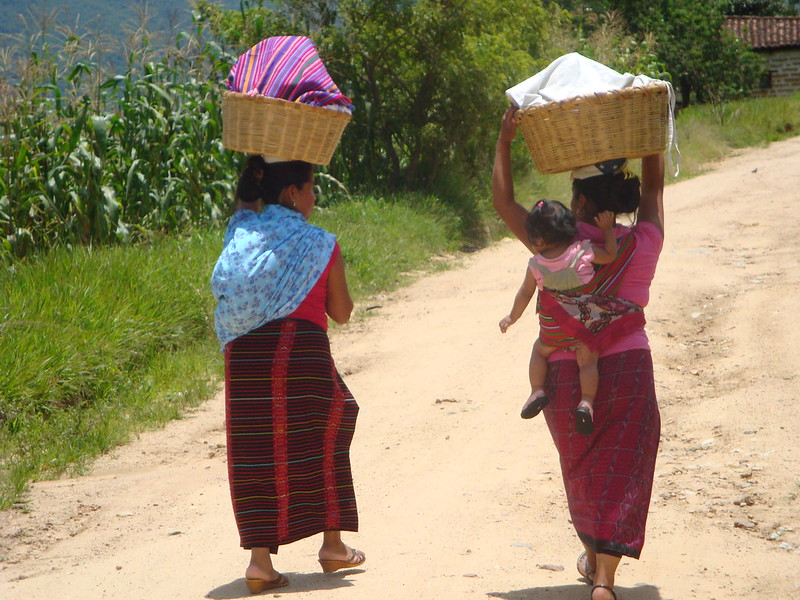
Women carry home their monthly food aid rations through a USAID-funded program in Guatemala/ USAID/ Flickr/ Creative Commons License

U.S. Vice President Kamala Harris’s statements this month on the need to address the “root causes” – including government corruption – of the ongoing surge of migrants fleeing the Northern Triangle of Central America reflects the strong agreement among analysts that lasting solutions will require deep reform within the region, but the Administration’s kid-gloves treatment of those governments risks repeating the errors of the past. Harris and Ricardo Zúñiga, the U.S. envoy coordinating policy toward the area, have emphasized the difficult task of real reform while also addressing the immediate challenge of the humanitarian crises contributing to migrants’ desperation.

  • While recommitting to a campaign promise to spend $4 billion in the Northern Triangle, the Administration last week announced an additional $310 million in emergency assistance to mitigate suffering from recurrent droughts, food shortages, COVID‑19, and back-to-back hurricanes last November. Even before those calamities, 60 percent of Hondurans lived in extreme poverty, and malnourishment stunted the growth of 23 percent of children nationwide. The World Food Program in June 2020 reported that 2.3 million Guatemalans (14 percent) were suffering from food insecurity, and another 800,000 would soon follow. Malnutrition among Guatemalan children under five has skyrocketed.

Addressing “root causes” will be much tougher than sending aid. Zúñiga argues that success will depend on drastically reducing the corruption that robs citizens of state resources and fuels other crime and violence, particularly senior political and military officials’ cooperation with narcotraffickers. Harris has supposedly mentioned this in several virtual meetings with Guatemalan President Alejandro Giammattei and will stress it during a visit to the region in June. The Administration is also creating an “anti-corruption task force” to enforce the policy, and Zúñiga offered $2 million to El Salvador if it pursues a hybrid anti-corruption effort called CICIES. Corruption is an endemic problem in all three countries, but the Harris initiative seems most sorely tested in Honduras, where President Juan Orlando Hernández has emerged as the poster child of what a U.S. District Judge last month called “state-sponsored” trafficking.

  • The U.S. drug convictions of Hernández’s brother, Tony, in 2019 and of trafficker Geovanny Fuentes Ramírez last month both featured apparently credible testimony about the President’s personal role in protecting the flow of narcotics through Honduras to the United States. These allegations come on the heels of waves of evidence of other corruption, human rights violations, and electoral fraud he has engaged in.
  • Nonetheless, the White House has publicly stated that “we are going to work with [Hernández’s] government and … seek areas of common interest.” While U.S. officials have severely criticized Salvadoran President Nayib Bukele – whose migrant flow is a fraction of Honduras’s – for anti-democratic digressions, they have been relatively silent on Hernández. His efforts to portray himself as an indispensable ally appear to have earned him that latitude. Last year, after U.S. concern about trafficking rose, he won brownie points for supporting legislation deterring private jets from entering the country. Recently, he has mobilized the military several times to stop migrant caravans from leaving the country.

This is not the first U.S. Administration to try to cajole corrupt Central American incumbents to become allies in eliminating their own corruption. The humanitarian crisis requires the Harris team to send aid quickly and to collaborate with the same governments that have aggravated, and sometimes caused, people’s suffering. But the Biden Administration hasn’t given an indication yet that it can avoid being taken to the cleaners as previous administrations have, including President Obama and Vice President Biden when they teamed up with the Inter-American Development Bank for the Alianza para la Prosperidad. That initiative cost hundreds of millions but, as the current migration surge indicates, the “push” factors behind it continue to grow. Obama/Biden also made significant efforts – for example, helping CICIG in Guatemala and MACCIH in Honduras begin important processes – but local officials and their elite allies managed to get out from under both.

  • It’s a long shot that, without threats of sanctions similar to those levied against leaders who are not U.S. “allies,” Washington can get these governments to undertake major reforms that would threaten leaders’ wealth and power. But if the United States and others can break the vicious cycle of corruption, bad governance, poverty, and flight in the Northern Triangle, they will be laying the groundwork for breakthroughs far beyond the migration crisis on the U.S. border.

April 30, 2021

Mexico and Central America: Taking Aim at Corruption in Pharmaceutical Procurement

By Thomas Andrew O’Keefe*

Secretary of Health Headquarters, Mexico City, Mexico / Diego Delso / Wikipedia, Not Modified / Creative Commons License

Under pressure to reduce the cost of medications and medical supplies, the governments of Mexico, Guatemala, and Honduras have resorted to an international facilitator to combat inefficiencies and a lack of transparency in medical procurement while attempting to build their own capacity to manage purchases and reduce related corruption in the future.

  • The Mexican government has been trying to obtain lower prices from manufacturers and distributors of patented or single-sourced medications and medical devices since at least 2008, when it created a Coordinating Commission to Negotiate the Prices of Medications and Other Health Inputs. A pooled procurement mechanism overseen by the country’s Social Security Institute (IMSS) was established in 2013 to purchase pharmaceutical products and medical supplies on behalf of various federal and state agencies. When President Andrés Manuel López Obrador (AMLO) took office at the end of 2018, he labelled the Coordinating Commission as ineffectual and IMSS’ pooled procurement process as hopelessly corrupt – and terminated both. He consolidated purchasing authority for Mexico’s public health sector in the Secretariat of Finance and Public Credit, which also proved incapable of handling the task. To address widespread shortages throughout the country that were putting lives at risk, the Secretariat was signing contracts at exorbitant prices.
  • Last July, the AMLO administration executed an agreement with the United Nations Office for Project Services (UNOPS), a not-for-profit agency based in Copenhagen better known for implementing humanitarian and development projects. For 2021, the Mexican government is expected to spend some $4 billion to procure medications through UNOPS on behalf of federal entities and 26 of Mexico’s 32 states. UNOPS will reportedly net a 1.25 percent commission for what will be its largest single procurement project to date. In 2022, UNOPS will set up an electronic reverse auction system to conduct the bidding process with international suppliers.

Guatemala and Honduras reached out to UNOPS, with good results, years ago.

  • In 2014, UNOPS began assisting the Honduran Social Security Institute (IHSS) and Ministry of Health to establish a more effective and transparent procurement system for purchasing medications and medical supplies. After a year, UNOPS was able to procure medications at costs at 40 percent or more lower than what had previously been paid. Government funding remains a problem, but allegations of corruption in medical purchases have dropped sharply.
  • Following major corruption scandals at Guatemala’s Social Security Institute (IGSS), the Guatemalan government signed a contract with UNOPS in 2016 that involved both procurement and technical assistance to the IGSS to enhance transparency and strengthen its procurement processes. As a result, the Guatemalan government estimates the IGSS achieved an estimated 57 percent reduction in the prices of procured medicines and a 34 percent savings in surgical medical supplies and cochlear implants. The IGSS claims it was able to utilize these savings to, among other things, build new hospitals and extend health insurance coverage to more Guatemalans.
  • These experiences build on Guatemala and Honduras’ participation since 2010 in a mechanism overseen by the Council of Ministers of Health of Central America and the Dominican Republic (COMISCA) to jointly negotiate the prices of medications and medical devices for subsequent purchase by the public health sector in their countries.

Ensuring efficiency and reducing corruption in medical purchases will ultimately depend on the governments’ ability to reform their own systems, not on developing a permanent dependency on UNOPS or other international entities. UNOPS is scheduled to hand the entire procurement system over to the Mexican government in 2024. The recently created Mexican Institute of Health for Well-Being (NSABI) will initially oversee distribution within Mexico, but the AMLO administration has indicated that this function will eventually be taken over by a more specialized agency that will also have warehousing capabilities (including cold storage facilities).

  • AMLO signed an executive decree at the end of October that recognizes the health safety certificates issued by regulatory authorities in other countries as being equivalent to those issued by the Federal Commission for Protection against Health Risks (COFEPRIS) in Mexico. The decree also simplifies the process for COFEPRIS to issue certifications for the sale and consumption of all imported medications in Mexico. These moves are intended to undermine the ability of unscrupulous pharmaceutical firms to “capture” the regulatory approval process and thereby hinder competition.
  • The positive experiences in Guatemala and Honduras with UNOPS may encourage reformers in other Latin American countries, as just happened in Mexico, to look to the self- financing UN agency for assistance in clamping down on corruption, ensuring better management of the public health care sector, and implementing modern procurement systems to address the longstanding challenge of getting essential medical supplies to citizens who need them. The COVID 19 pandemic has made health a global priority and exposed serious deficiencies that no longer can be ignored. Without robust and equitable public health care systems, there is no sustainable economy.

December 21, 2020

* Thomas Andrew O’Keefe is president of Mercosur Consulting Group, Ltd. and lecturer with the International Relations Program at Stanford University.

U.S. Fails to Consider “Best Interests” of Child Migrants

By Eric Hershberg*

Child sitting down on a grass field

The lack of a “best interests” standard in the U.S. Government’s handling of child migrants subjects the children to enduring harm and skews their chances of fair adjudication of their immigration cases. Its absence is aggravated by recent U.S. policies under which a majority of children and families are unable to present protection claims which they are legally entitled to make.

  • The best interests principle is nearly universally accepted. It is enshrined in a vast body of domestic law, such as when determining the home in which to place a child, and in various international human rights instruments. The UN Convention on the Rights of the Child (CRC), which has the force of law in the 196 countries that have ratified it, states that “in all actions concerning children … the best interests of the child shall be a primary consideration.”

The United States is the sole country not to ratify the CRC, but – as a signatory – it pledged not to act in a manner that undermines the best interests principle. Since the late 1990s, the U.S. Government has, on the whole, allowed practices incorporating best interests principles to gain considerable momentum – until the Administration of President Donald Trump brought such efforts to an abrupt halt. Soon after taking office in 2017, the Administration began stripping away the limited safeguards that leaders of both political parties had, albeit sometimes reluctantly, allowed to emerge over the previous two decades.

  • Trump Administration policies have aimed to deter child and family migrants by forcing them either to suffer confinement in increasingly inhumane conditions in detention facilities or await their case outcomes in Mexico. The Administration has steadily sought to erode the baseline protections in the 1997 “Flores Settlement,” which set standards for the detention, release, and treatment of minors. It has ignored the Flores provisions that detained children be held only in “safe and sanitary” facilities and within strict time limits. (U.S. courts having stymied the Administration’s efforts to detain children and families indefinitely.) Other policies have limited the number of migrants allowed to enter the United States each day and have forced families to wait out the immigration process in Mexico rather than be released into local communities.
  • For those children and families undeterred by these obstacles, another set of policies has stacked on requirements that effectively zero out their ability to prevail on their claims for protection. The effort began as a narrowing of the substantive criteria for asylum but, over the last year, has become a de facto ban on asylum for Central American children. Though courts again have played a critical role in thwarting many Administration’s efforts, one failed policy is quickly replaced with another even more drastic attempt to shut off all avenues for relief.

While the Trump Administration has taken rejection of the best interests principle to an extreme, no U.S. President has been willing or able to provide strong leadership in guaranteeing the protections to migrant children that U.S. domestic law affords citizens and residents. Widespread perceptions fed by the Administration that migrants are gaming the system make serious discussion of solutions extremely difficult. Policymakers and immigration officials often claim that embracing the best interests principle would create an open border. But respect for children’s best interests can co-exist with a full and fair adjudicative process. It simply guarantees children’s protection, family integrity, and wellbeing during and after a just determination process – even in the face of rejection of their petitions. Rather than updating the U.S. immigration infrastructure and building regional cooperation ensuring children’s well-being, the Trump Administration has further widened the divide between international and domestic child protection laws and U.S. immigration policy.

  • With the underlying drivers of migration remaining strong and likely to spike as the economic impact of the COVID-19 pandemic hits Central America, the gap between principle and policy will have ever greater consequences for children, whose best interests are increasingly trampled. The repercussions are enormous, according to numerous studies. For children who are already vulnerable, ongoing family separations are traumatic experiences with potentially long-term implications for their physical and mental health. Unsanitary conditions in detention centers were dangerous even before the pandemic. Inadequate access to food, drinking water, clean clothing, and daily necessities – soap, toothbrushes, and towels – has been well documented. Psychologists fear that these children will struggle throughout their lives, be it in the United States or in their native countries.

July 6, 2020

* Eric Hershberg is the Director of CLALS. The report In Children’s Best Interests: Charting a Child-Sensitive Approach to U.S. Immigration Policy (click here for the full report), based on a joint symposium held in February with over 300 participants. The full program and video recordings are here.

Central America and the Pandemic: Different Priorities and Risky Bets

By Alexander Segovia*

Presidents of Central America participate on a SICA virtual meeting

Reunión Extraordinaria de Presidentes del Sistema de la Integración Centroamericana (SICA)/Flickr/Creative Commons

In most Central American countries, the social dimension of the COVID‑19 emergency has competed with economic priorities, and in some it hasn’t even been a top priority. Governments have responded independently of one another, showing little regional coordination aside from a $1.9 billion Regional Contingency Plan approved by the Sistema de la Integración Centroamericana (SICA) and funded by the Central American Bank for Economic Integration (BCIE), to support national-level efforts.

El Salvador has designed a response strategy that prioritizes the health dimension of the crisis, not the need for economic recovery. The rigorous implementation of stay-at-home and social isolation measures has caused a number of problems, including essentially shutting down the economy, with enormous political costs. The Legislative Assembly authorized the government to issue coupons worth $3 billion to help families get by, causing a significant increase in the country’s external debt and fiscal deficit.

  • The Salvadoran response has been well-received by the population so far, but this could change quickly in the face of the high economic and social pain it has caused. Moreover, the authoritarian and militarist way the confinement regulations have been enforced, and the government’s lack of respect for the Constitution and the separation of powers, have also troubled many.

Nicaragua is the opposite case of El Salvador. The government has refused to adopt social isolation measures and has encouraged people to take to the streets and participate in large events. The Ortega Administration’s concern is about the economy, which has been in a deep crisis since the social protests in 2018 and the government’s repressive reaction to them. This priority partly explains the government’s resistance to implementing shelter-in-place and social-distancing regulations.

  • The government is playing with fire. If the health crisis spins out of control, it will cause both a great loss of human lives and a profound socio-economic crisis – which sooner rather than later will spark a social and political crisis of massive proportions.

Costa Rica, with its good universal health care system and the region’s most developed state infrastructure, is best prepared. Its initial response to the health emergency was slow and permissive, reflecting a government decision to confront the crisis in a manner that causes the least damage possible to the economy. It has since acted more decisively and has suffered only 10 deaths from COVID‑19.

  • Costa Rica is the only country in the region trying to finance the additional costs by reducing non-priority public expenditures and by introducing a temporary solidarity tax on capital gains and on the salaries of higher-paid managers in government and the private sector, who have economic security and safe jobs.

Guatemala is implementing a response in which the health emergency is competing with leaders’ desire for economic recovery. This reflects the enormous influence over the government and Congress enjoyed by the economic elites, who hold sway over public policies and have a veto over any that affect their interests.

  • By putting the social and economic challenges on an equal plane, the elites have demonstrated, in what they see as a politically correct way, their ability to equate human life with the accumulation of capital.

Honduras has implemented a strategy that gives insufficient attention to the health crisis by assigning higher priority to containing the economic impact. Its response has been fragmented and confusing; it combines emergency measures with economic recovery actions that will take effect only in the second half of the year. In addition, policymaking processes have been opaque, and there are no guarantees that public funds will be used transparently.

  • Concerns that the crisis has also given rise to greater militarization of the country and an increase in human rights violations by security forces are also mounting.

The best way for Central America to confront the COVID emergency is through energetic responses focused on containing the health crisis – with effective stay-at-home and social-distancing measures – and strengthening of social protection systems and programs, including direct financial payments to households. These policies should be backed up with broad political and social agreements and sustained with absolute respect for democracy and human rights.

  • Preliminary evidence indicates that, while addressing the health crisis has high costs in the short term, delaying that investment increases the number of deaths and leads to a deeper and longer economic crisis. Central American governments and economic elites have a clear choice: pay a smaller price now combatting the virus, or pursue short-term benefits and pay a much higher price in the long run.

May 20, 2020

* Alexander Segovia is a Salvadoran economist. This blog article is based on and updated from an analysis originally published here by Análisis Carolina in Madrid.

Lessons Learned from Last Century’s Climate Change Migration

By Elizabeth Keyes*

Then and Now

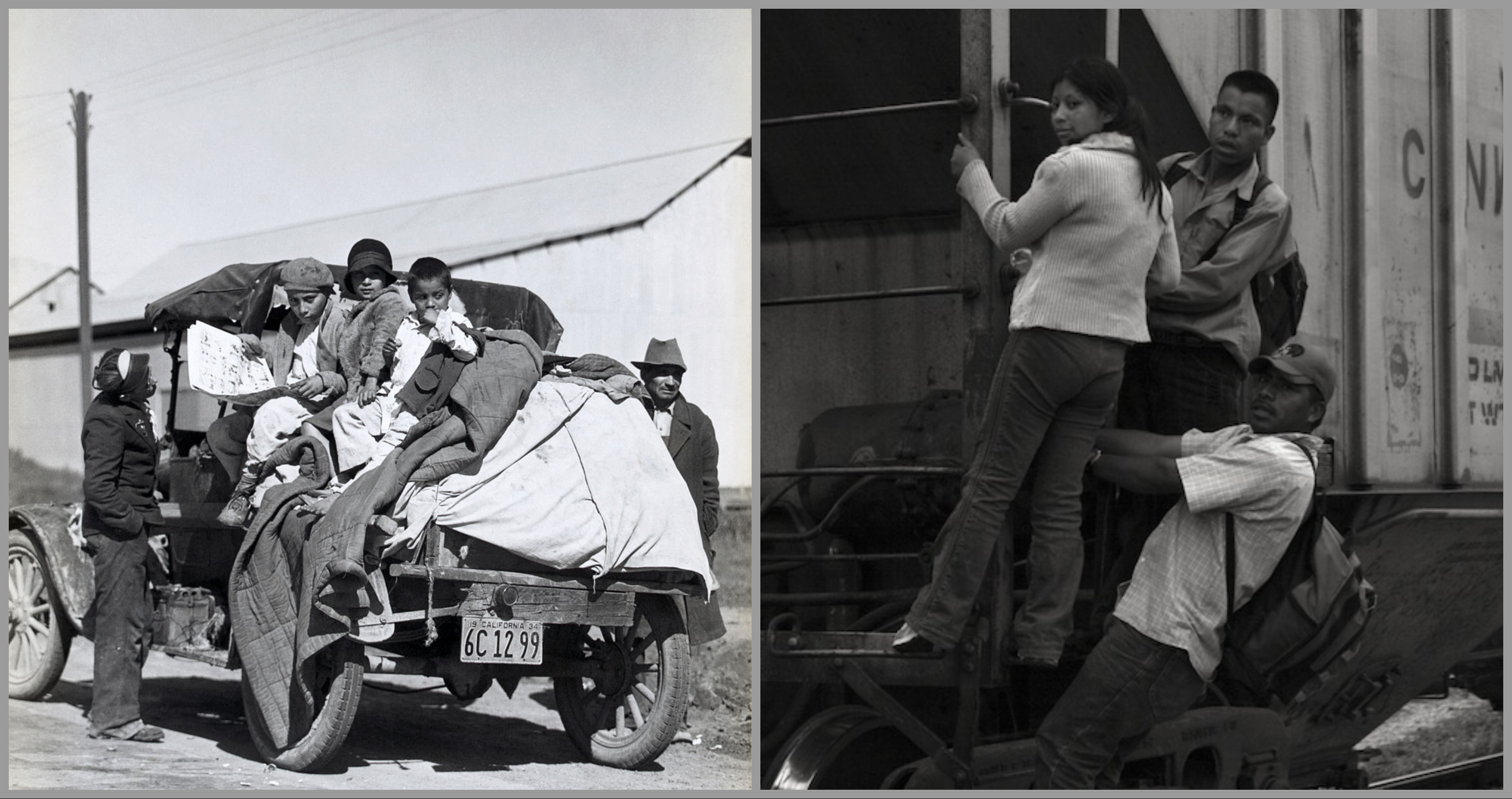
Left: Migrant Workers in California, 1935/ Dorothea Lange/ U.S. Library of Congress/ Wikimedia Commons (modified)// Right: Central American migrants find quarter in southern Mexico/ Peter Haden/ Wikimedia Commons (modified)

Central Americans seeking asylum in the United States are not the first victims of government policies that discourage migration, send law enforcement to turn them away at a border, ban them from receiving public benefits, and pass laws seeking their immediate repatriation: the Dust Bowl migrants, almost 100 years ago, faced the same fate. Their story is more complex than that of John Steinbeck’s Joad family turning to labor in California’s “factories in the field.”

  • Drought came to Oklahoma and other Dust Bowl states after decades of agricultural practices that prioritized heavy production at the expense of land management and conservation. Corporate farmers favored practices maximizing short-term yield over long-term sustainability. The New Deal bought up farmland, displacing tenant farmers. Relief at the peak of the Dust Bowl in 1934 was mismanaged, and it did not help people stay.
  • Affected residents headed to California, which during a previous economic boom had sought out “migrant” labor from elsewhere in the United States. Many had a relative or friend already in California who could provide a migration pathway, just as happens with migration in 2020. Those with friends or family in the cities fared relatively well, but those who ended up in the labor camps of California’s valleys fared extremely poorly.

As the state’s boom ended in the Great Depression, California made efforts to discourage the migrants, erecting billboards along Route 66 warning would-be migrants that California was no longer an ideal destination. The state criminalized the act of helping indigents migrate, and the Los Angeles Police Department set up “bum blockades” to refuse them entry.

  • California’s responses looked a lot like current efforts to stop migrants seeking to enter along the U.S. border with Mexico: criminalization and walls. Internally displaced persons in the 1930s faced the same kinds of xenophobia that the migrants from outside the United States do today, defining “Okies” as a problematic “other” as if from a foreign country. Although they were, indeed, “fellow Americans” and driven from the land by environmental disaster, it took almost a decade for the U.S. Supreme Court – in Edwards v. California – to clarify that states could not bar migration from other states, and to affirm an ethic of sharing hardships across state lines.
  • The Dust Bowl migrants entered a labor market with strong racial and class inequities. As the United States deported roughly a million Mexican and Mexican-American farmworkers between 1929 and 1936 (with an estimated 60 percent of those being U.S. citizens wrongfully deported), the new migrants took over those jobs.

State and international borders differ legally, of course, in critical ways, but the experience of Dust Bowl migrants nonetheless sheds light on the possibilities for Central American and Mexican migrants today. Climate change is again increasing the drivers of environmental displacement, both internal and international, both slow-onset and acute. Just as a focus on environmental justice and sustainable agriculture would have reduced the need for migration out of the Plains in the 1930s, work done now to mitigate and adapt to climate change would help Central American and Mexican farmers stay in place. And in the communities receiving migrants, we see that California adapted and accommodated them once the Supreme Court refused to endorse California’s deterrent strategies. The Court recognized in the strongest terms that California was enduring great upheaval but determined that it could not use its state border to limit that upheaval.

The same Court also routinely upheld the federal government’s right to use the national border to inoculate the country “from difficulties common to all.” International immigration is legally, if not dynamically, morally or philosophically, different from internal migration.

  • Nonetheless, the Edwards decision provides a wonderful exercise in “what if” thinking. Because of the decision, those suffering in Oklahoma and Kansas had a place to go and could build new lives in California, changing the state but not ending it. Indeed, the state has the largest economy of all 50 states and by one measure is the “14th happiest” in the nation. California is an example of state resilience to migration, even dramatic levels of migration.
  • Perhaps the pain of the Dust Bowl – the forces that sent people migrating and the realities they faced in their new homes – offer us important lessons for international migrations caused by climate. There is no international-style Edwards approach, and refugee law offers no good answers. But the full, complicated Dust Bowl history encourages us to move beyond fear and xenophobia to face the challenges forthrightly, knowing that we do have a remarkable capacity for adaptation.

April 15, 2020

* Elizabeth Keyes teaches law and directs the Immigrant Rights Clinic at the University of Baltimore School of Law.

Challenges to “Safe Country” Strategy in Central America Mounting

By Fulton Armstrong

San Ysidro

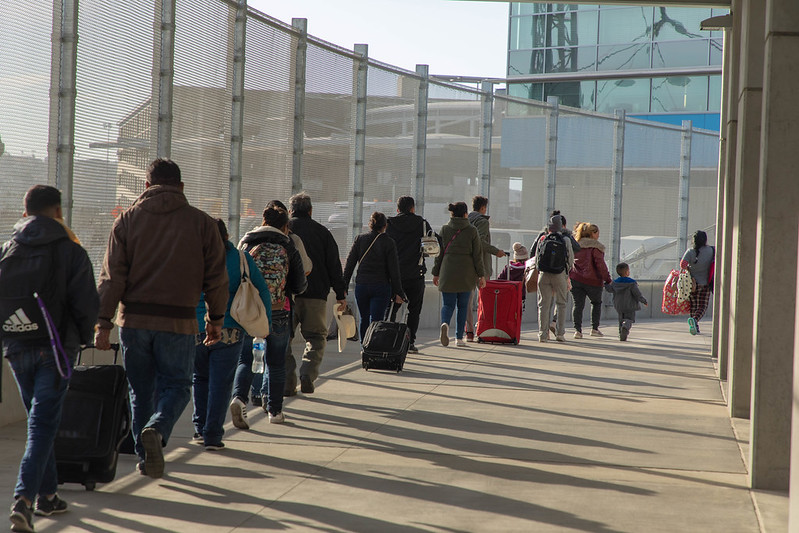
Processing at the San Ysidro Port of Entry/ U.S. Customs and Border Protection/ Flickr/ U.S. Government Works

Challenges to the U.S. government’s “Asylum Cooperation Agreements” (ACAs) with Central American countries – under which asylum seekers approaching the U.S. border are sent to camps in the Northern Triangle – are mounting fast, but the administration of President Donald Trump does not appear likely to budge significantly from its current approach. Under the threat of loss of $143 million in aid to the three Central American countries, Guatemala signed its agreement under former President Jimmy Morales last August; a similar accord with Honduras is to “come online any day,” according to U.S. officials; and El Salvador is also deep in negotiations. (Aid has been restored.) The ACAs stipulate that asylum seekers apply for asylum in the “first safe country” they enter after fleeing their own. As a result, the United States has sent about 800 persons of various nationalities to Guatemala.

  • Immigration and human rights advocates have condemned the agreements. They report that Guatemala – where most asylum seekers have been sent so far – lacks the ability to process them. Human Rights Watch recently reported, moreover, that individuals repatriated to El Salvador since 2013 – as envisioned by the ACAs – have been assassinated at an alarming rate. The group has confirmed 138 cases of individuals killed after deportation and another 70 beaten, sexually assaulted, extorted, or tortured.
  • The chairs of the U.S. House Committee on Foreign Affairs and relevant subcommittees (all Democrats) have called the ACAs “illegal, dangerous, and antithetical to U.S. values.” In a letter to Secretary of State Pompeo, they said that U.S. law requires that asylum seekers have “access to a full and fair procedure for determining a claim to asylum” – which the Guatemalan facilities lack. The Congressmen assert, moreover, that U.S. law requires adherence to international law on non-refoulement, which mandates that asylum seekers cannot be sent to a country in which they will face further persecution.
  • The workers’ union representing 700 U.S. asylum and refugee officers has declared that the agreements and the administration’s implementation of them are a “violation” of international treaty obligations. These are the career specialists on the front line charged with carrying out the policies. The Guatemalan government has raised its own concerns, citing its “very limited capacity” to process asylum-seekers sent there. Newly inaugurated President Alejandro Giammattei has never appeared comfortable with the ACA and has asked Washington for “clarifications” of his country’s obligations under it.

U.S. reaction so far has been to deny anything is wrong. Senior officials say that very few asylum seekers deported to Guatemala are applying for asylum there, with the vast majority instead choosing to return to their home countries. Citing experts, the U.S. congressmen say that less than 4 percent have “been able to seek protection through Guatemala’s overburdened system.” Others report that victims of violence in their home countries face similar prejudices in Guatemala.

  • Apparently to encourage potential asylum seekers to apply for U.S. visas, the administration on March 5 announced it is increasing H2‑B visas for non-agricultural workers this year, with 10,000 reserved for applicants from the Northern Triangle. But if H2‑B visas are issued along the same guidelines as other visas, U.S. consular officers will be required to deny them to applicants they have reason to suspect will try to remain in the United States – as all ACA cases have tried.

The ACAs are a key element of the Trump administration’s efforts to move the “wall” blocking asylum seekers as far off the U.S. border as possible, shifting the burden to the same Central American countries whose poverty, violence, and corruption are driving citizens to flee. However compelling the Foreign Affairs Committee’s arguments that the administration is violating U.S. law and values, the letter’s impact has been blunted by widespread perceptions that the novel coronavirus (COVID-19) is further proof that the United States needs to keep outsiders from entering the country. The Administration is also not swayed by the fact that the U.S. State Department’s own repeated warnings that U.S. citizens limit travel to Northern Triangle countries – because of widespread “violent crime … rape, and narcotics and human trafficking – contradict the assertion that the ACA partners are “safe countries.”

  • Guatemala’s call for “clarification” of implementation guidelines and talks on the final details of Honduras and El Salvador’s arrangements give the administration a chance to make cosmetic adjustments and, perhaps, promise more resources to the designated “safe countries.” But it has given no sign of reconsidering its overall approach. The Trump administration remains as committed as ever to addressing the migration problem by closing the U.S.’ door rather than addressing the underlying conditions in the region driving people to risk their lives to get to the United States. Central American analysts are already deeply concerned that the economic impact of the COVID‑19 pandemic (including 1 percent growth or less), coupled with USAID’s own budget cuts, spell reduced aid and a worsening of the vicious cycle of poverty that drives emigration and empowers illicit actors.

March 17, 2020