
By Anthony Sandoval
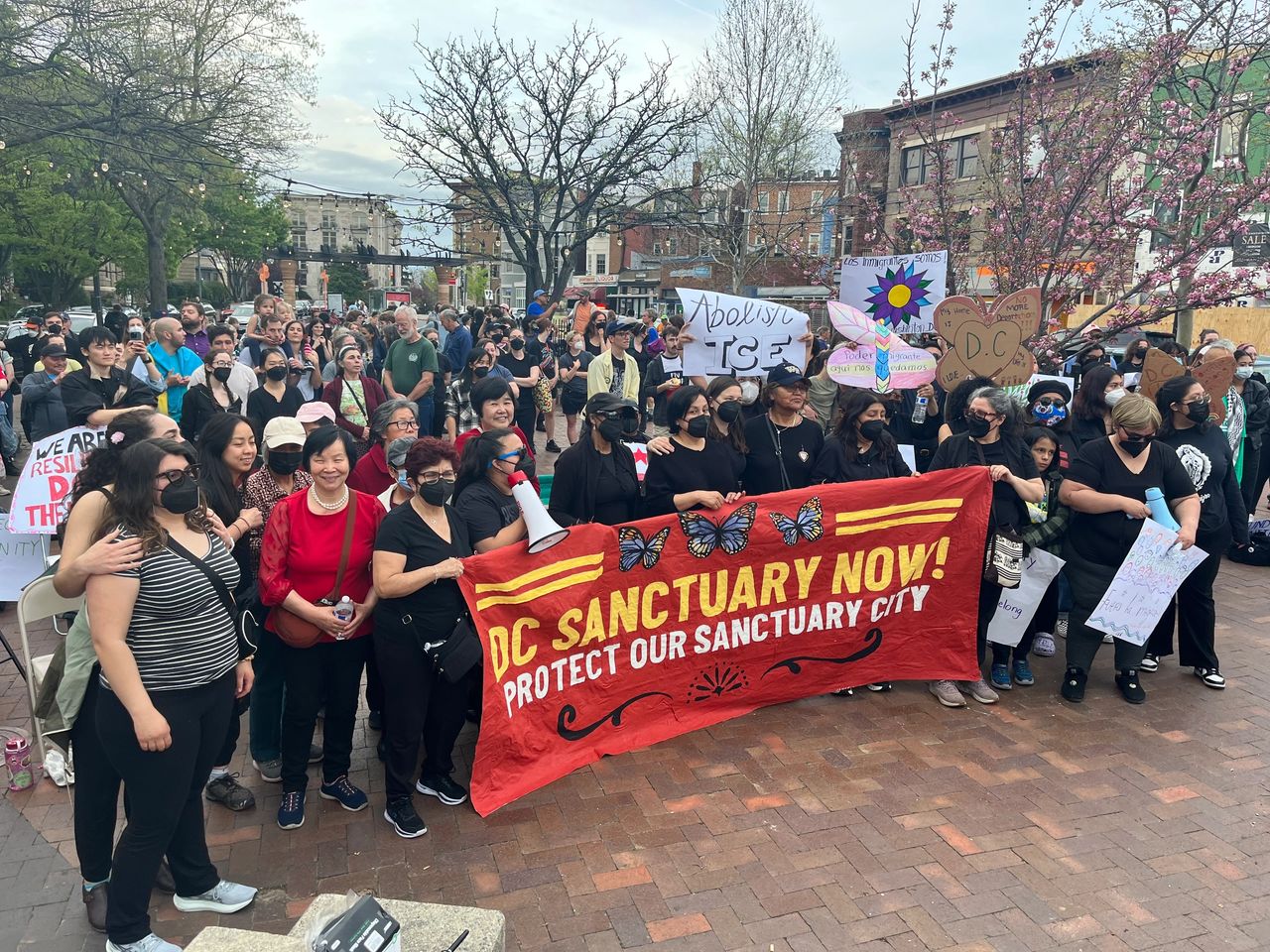
On January 25th, 2017, President Trump signed an Executive Order, called Enhancing Public Safety in the Interior of the United States, to attack sanctuary jurisdictions all over the U.S. Although this Executive Order was blocked by a judge, the side effects were seen. More cities became sanctuary jurisdictions, even colleges.
But what is a “Sanctuary Jurisdiction”? First, we have to understand that there isn’t one full definition of a “Sanctuary Jurisdiction,” nor does each one have the same laws. Generally, being a ‘Sanctuary Jurisdiction’ means to “have policies in place designed to limit cooperation with or involvement in federal immigration enforcement actions.” There is a range of how each policy works, but it keeps the immigrant communities safe.
In 2017, Illinois became a sanctuary state through the TRUST Act, and on December 15th, 2020, the D.C. District Council voted on the Sanctuary Values Amendment Act of 2020, establishing Washington, D.C. as a Sanctuary jurisdiction. On the opposite end, some states banned Sanctuary Cities straight out during the first Trump administration, including Arkansas, Florida, and Texas.
On the 1st day of the Biden-Harris Administration, President Biden signed an Executive Order called, Revision of Civil Immigration Enforcement Policies and Priorities, which undid Trump’s 2017 Executive Order. Since then, the republican party has attacked Sanctuary Jurisdictions again and again.
At a March 5th, 2025, hearing with the mayors of Boston, Chicago, Denver, and New York City, the Chair of the House Oversight Committee Rep. James Comer (R-KY-1) stated, “These reckless sanctuary policies also force federal immigration officers to go into local communities to apprehend criminal illegal aliens.” We keep hearing that sanctuary policies are bad for the United States, but that is not true.
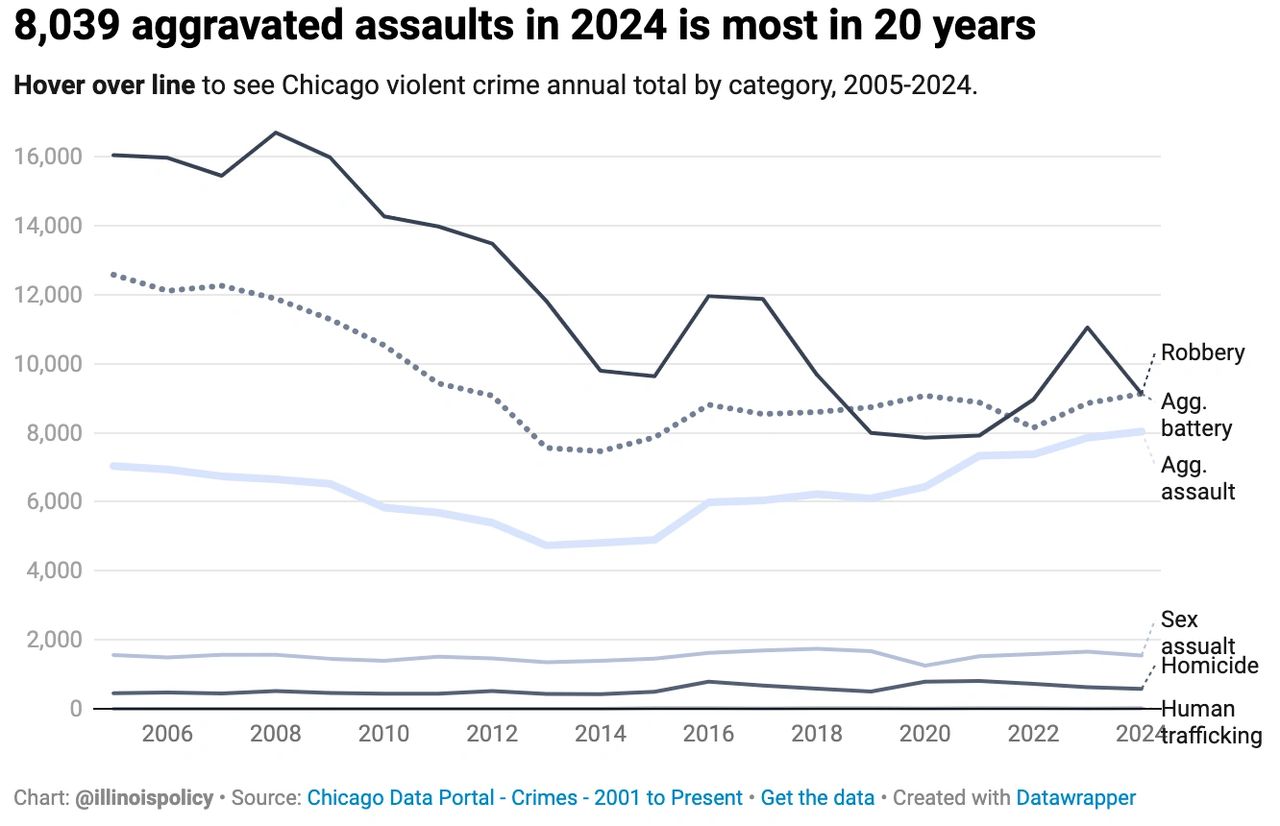
The National Immigration Law Center (NILC) posted on the same day of the hearing that a study found a “decrease in crime in cities and states that prioritize welcoming instead of targeting immigrants.” Looking at my home city of Chicago, crime keeps going down, even at a time when immigration has increased.
In 2025, Trump’s first day in office signed an Executive Order, called “PROTECTING THE AMERICAN PEOPLE AGAINST INVASION,” which, on its 17th section, calls for Sanctuary Jurisdictions to be punished until they get rid of the laws that make them sanctuary, or else they will not receive any federal funding. On April 24th, a judge ruled that it was unconstitutional.
Other related bills to look out for include 1) HR. 32 No Bailout for Sanctuary Cities Act; 2) HR. 205 No Congressional Funds for Sanctuary Cities Act; 3) HR. 1879 No Tax Breaks for Sanctuary Cities Act; 4) HR. 2056 District of Columbia Federal Immigration Compliance Act.
UPDATE APRIL 29TH
On April 28th, Trump signed a new Executive Order, called “Protecting American Communities from Criminal Aliens.” Under this order, any Sanctuary Jurisdictions will be stripped of any federal funding in 30 days. Additionally, this order will eliminate in-state tuition for undocumented and DACA students across the United States. Laws that help undocumented college students pay for college, for example, in Illinois, the Retention of Illinois Students & Equity (RISE) Act will be eliminated.
Anthony Sandoval is a research assistant with The Immigration Lab
Edited by Enresto Castañeda, Director of The Immigration Lab and Katheryn Olmos, Research Assistant


 AULA Blog